Best Pet Friendly Flooring Choices for Homes
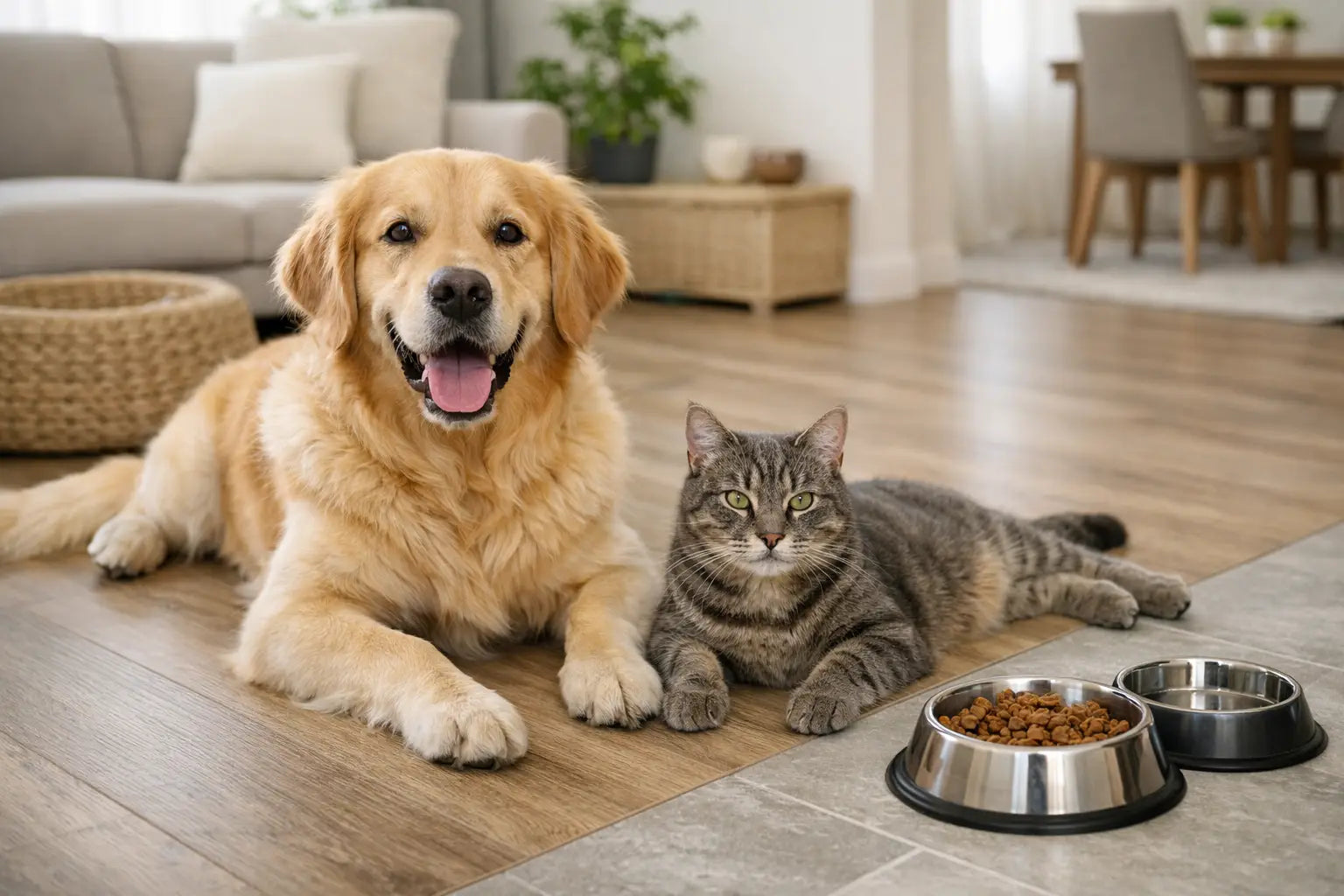
The sound usually gives it away first - nails clicking across the floor, a water bowl spill in the kitchen, a muddy sprint through the back door. When you share your home with pets, flooring has to do more than look good. The best pet friendly flooring choices need to handle scratches, accidents, shedding, and everyday traffic without turning your home into a constant cleanup project.
That does not mean you have to settle for something that feels purely practical. With the right material, you can get durability, comfort, and a finish that still feels like home. The key is knowing where each flooring type performs well, where it falls short, and how your pet’s size, age, and habits affect the decision.
What matters most in pet friendly flooring choices
Most homeowners start with scratch resistance, and for good reason. Dogs with long nails, energetic play, and repeated traffic can wear down the wrong surface fast. But scratches are only part of the picture. Moisture resistance matters just as much, especially if you have puppies, senior pets, or a household where water bowls are always getting bumped.
Traction is another factor that often gets overlooked. A floor that looks beautiful but feels slick under your dog’s paws can create stress and, for older pets, joint strain. Noise also plays a role. Some hard surfaces amplify every step, which may not bother everyone, but it is worth thinking about if you want a quieter home.
Then there is maintenance. Pet hair, dander, dirt, and occasional accidents all change how a floor lives day to day. A floor that is easy to clean and does not trap odors can save you time and frustration over the long run.
Luxury vinyl is one of the strongest pet friendly flooring choices
For many households, luxury vinyl stands out as one of the most balanced options. It offers strong water resistance, easy cleanup, and better scratch performance than many traditional materials. If you want a floor that can take daily wear without demanding constant attention, this is often where the conversation starts.
Luxury vinyl plank and tile are especially appealing for busy homes because they mimic the look of hardwood or stone while being more forgiving. Many products include wear layers designed to resist scratches from claws and scuffs from heavy traffic. They also tend to feel a bit quieter underfoot than some harder surfaces.
That said, not all vinyl products are equal. A budget product with a thin wear layer will not perform like a higher-quality floor installed correctly over a well-prepared subfloor. This is where expert guidance matters. The right product for a calm cat household may not be the right one for a large dog that races through the house every day.
Laminate works well, but moisture is the deciding factor
Laminate is another popular option for pet owners because it offers solid scratch resistance and a clean, consistent look. It can be a smart value when you want a hardwood-style floor without the higher price tag. In active homes, that combination of appearance and affordability makes laminate worth serious consideration.
The trade-off is moisture. While many newer laminate products have improved water resistance, laminate is still generally less forgiving than luxury vinyl when accidents or spills sit too long. If your pets are fully house-trained and your household is quick about cleanup, laminate can perform very well. If accidents are more common, a more water-resistant material may be the safer choice.
It is also important to think about texture. Some laminate floors can feel slick, especially for older dogs. Choosing a finish with more grip can make a noticeable difference in comfort and safety.
Can hardwood still work for pet owners?
Yes, but it takes more planning and realistic expectations. Hardwood remains one of the most beautiful flooring investments you can make, and many pet owners are not willing to give up its warmth, character, and long-term value. The question is not whether hardwood is possible. The question is which species, finish, and lifestyle make sense together.
Harder wood species generally hold up better to pet traffic than softer ones. Finish matters too. A site-finished floor with a durable topcoat can provide strong protection, while lower-gloss finishes often help conceal minor scratches better than high-gloss surfaces. Wire-brushed or textured finishes can also be more forgiving in homes where a perfectly pristine look is not realistic.
Still, hardwood is not the most accident-proof option. Standing moisture can damage the wood and finish, and pet nails can leave marks over time. For some homeowners, that is an acceptable trade-off because they value natural wood enough to maintain it carefully. For others, especially in homes with young pets or large dogs, a hardwood-look alternative may be the better fit.
In homes across Kansas City area neighborhoods where families want both style and practicality, this is often where a guided consultation helps most. A floor should fit the way your household actually lives, not just the way it looks in a showroom.
Tile is durable, but comfort can be a concern
Tile is one of the most durable flooring options available. It handles moisture extremely well, resists scratches, and is easy to clean after muddy paws or spills. In bathrooms, laundry rooms, mudrooms, and some kitchens, it remains a very dependable choice.
The downside is comfort. Tile can feel hard and cold, which may not be ideal for pets that spend a lot of time lying on the floor. It can also be slippery depending on the finish. Grout lines require attention as well, since they can trap dirt if not properly maintained.
For some homes, tile is best used strategically rather than everywhere. It excels in high-moisture spaces, but many homeowners prefer a warmer, quieter surface for living areas and bedrooms.
Carpet is soft, but it comes with trade-offs
Carpet gives pets traction and a comfortable place to rest, but it is usually the most challenging option from a cleanup standpoint. Hair, odors, stains, and dander can build up quickly, especially in high-traffic rooms. Even with modern stain-resistant fibers, carpet is generally less practical for homes with frequent accidents or heavy shedding.
That does not mean carpet has no place in a pet-friendly home. In bedrooms or low-traffic areas, it can still work if your pets are well-trained and grooming is part of your regular routine. But for most main living spaces, hard-surface flooring tends to offer a better balance of durability and maintenance.
How to choose the right floor for your pet and your home
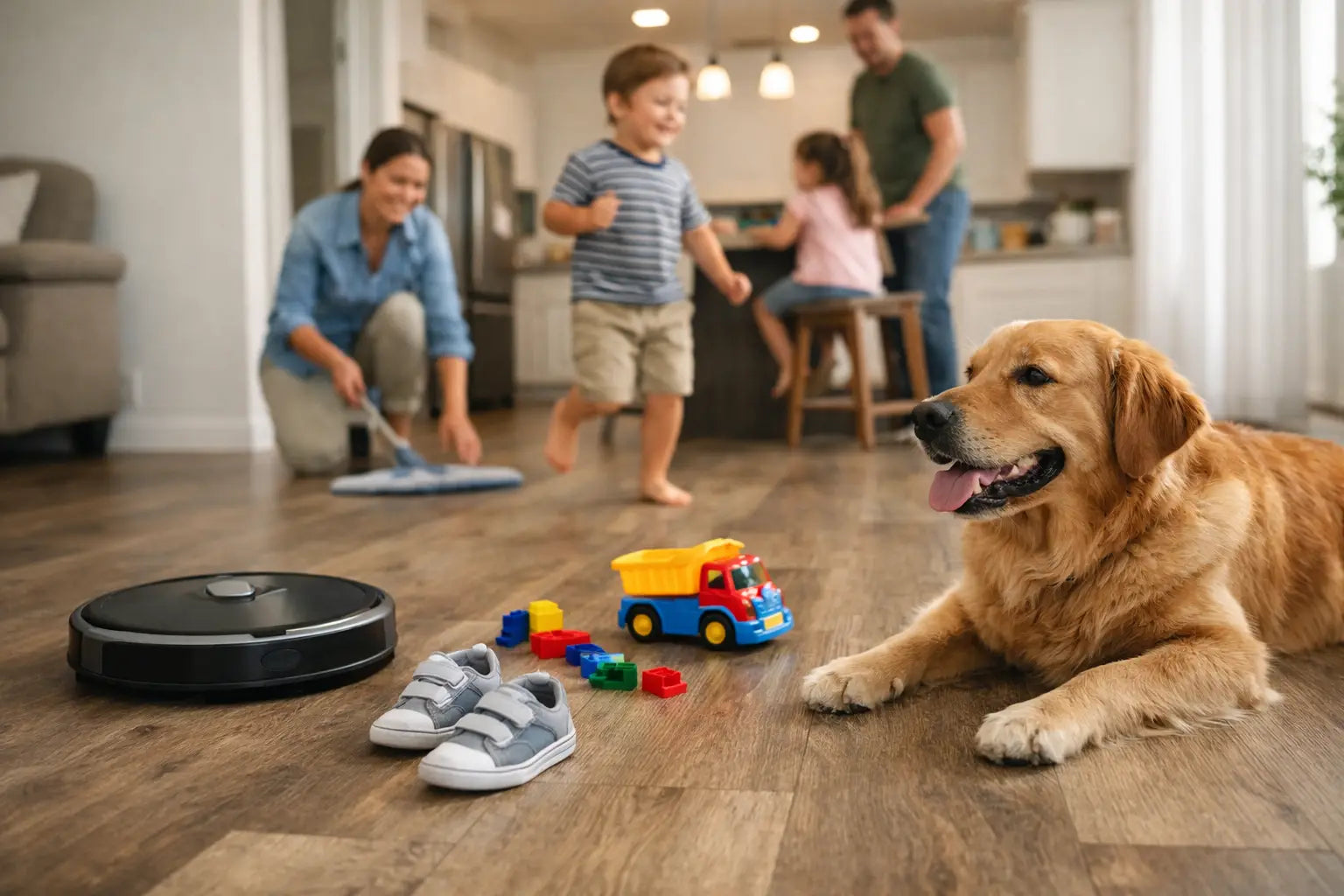
The best decision comes down to matching the material to your daily reality. A small older dog with trimmed nails creates different wear than two large young dogs that treat the hallway like a racetrack. Cats bring their own concerns, from litter tracking to occasional scratching behavior.
Think about where messes happen most often. Entryways, kitchens, family rooms, and rooms with direct outdoor access usually need the most protection. If you are updating the whole house, it may make sense to combine materials rather than force one product into every room.
Budget matters too, but value matters more. A lower-cost floor that wears out quickly or causes constant frustration is rarely the better buy. In many cases, spending a little more on product quality and professional installation pays off in better performance and a longer lifespan.
Installation quality affects performance more than many people realize
Even excellent flooring can disappoint if it is installed poorly. Gaps, uneven areas, and improper subfloor preparation can all shorten the life of the floor and create more wear under pet traffic. Moisture protection, transition planning, and product selection all need to work together.
That is why homeowners often benefit from seeing samples in person and talking through how each room is used. A family-owned flooring team like FC Hardwood Floors can help narrow the field based on your pets, your goals, and your budget, rather than pushing a one-size-fits-all answer.
A practical way to narrow your options
If you want the simplest answer, start with luxury vinyl for the best all-around mix of durability, moisture resistance, and easy care. If scratch resistance and value are top priorities and moisture is less of a concern, laminate deserves a look. If nothing compares to the real thing for you, hardwood can still be a smart choice with the right species and finish. And if you are solving for wet zones, tile remains one of the toughest surfaces available.
A good floor should support the life happening on top of it - pets included. When you choose with both performance and comfort in mind, you do not have to pick between a beautiful home and a livable one.

Leave a comment
This site is protected by hCaptcha and the hCaptcha Privacy Policy and Terms of Service apply.