7 Best Waterproof Flooring Materials
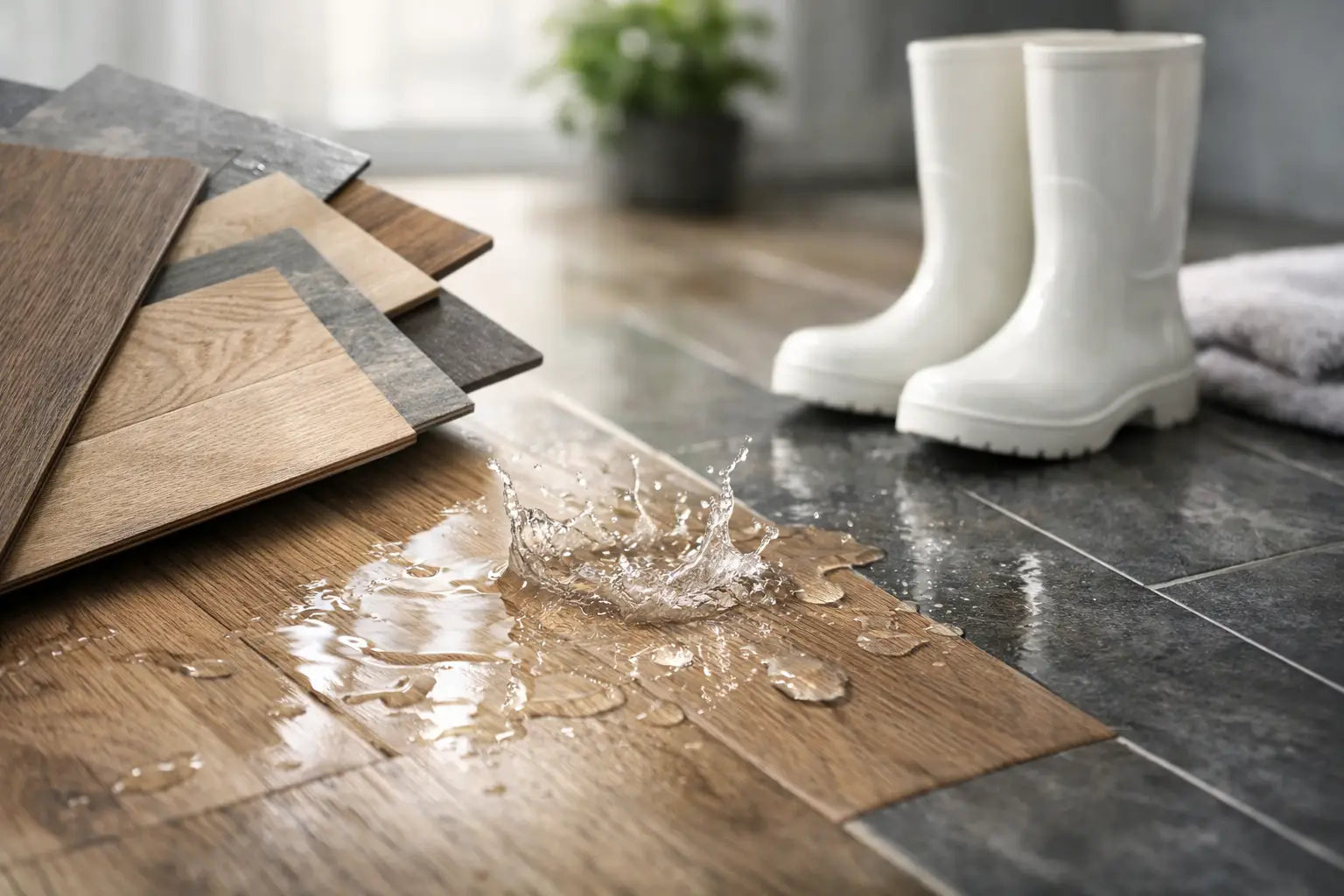
A wet dog racing in from the yard, a dishwasher leak you do not catch right away, kids sloshing out of the tub - real life is hard on floors. If you are comparing the best waterproof flooring materials, the right choice comes down to more than just water resistance. You also need to think about comfort, appearance, maintenance, budget, and how the space gets used every day.
For most homeowners and property managers, waterproof flooring is less about chasing a trend and more about avoiding costly problems later. Kitchens, bathrooms, laundry rooms, basements, entryways, and commercial spaces all need flooring that can handle moisture without swelling, staining, or losing its shape. Some materials do that better than others, and each one comes with trade-offs worth knowing before you invest.
What makes a floor truly waterproof?
A waterproof floor is not simply a surface that tolerates an occasional spill. It means the flooring material itself will not be damaged by water exposure under normal conditions. That is different from water-resistant flooring, which may handle small spills but can still fail if moisture sits too long or seeps into seams and edges.
This distinction matters because many products are marketed in ways that sound similar. A floor may have a waterproof core but still need careful installation to protect the subfloor. Another may be fully waterproof on the surface but less forgiving if standing water reaches the perimeter. The material matters, but so do the installation method, the room conditions, and the quality of the prep work underneath.
Best waterproof flooring materials for homes and light commercial spaces
Luxury vinyl plank and luxury vinyl tile
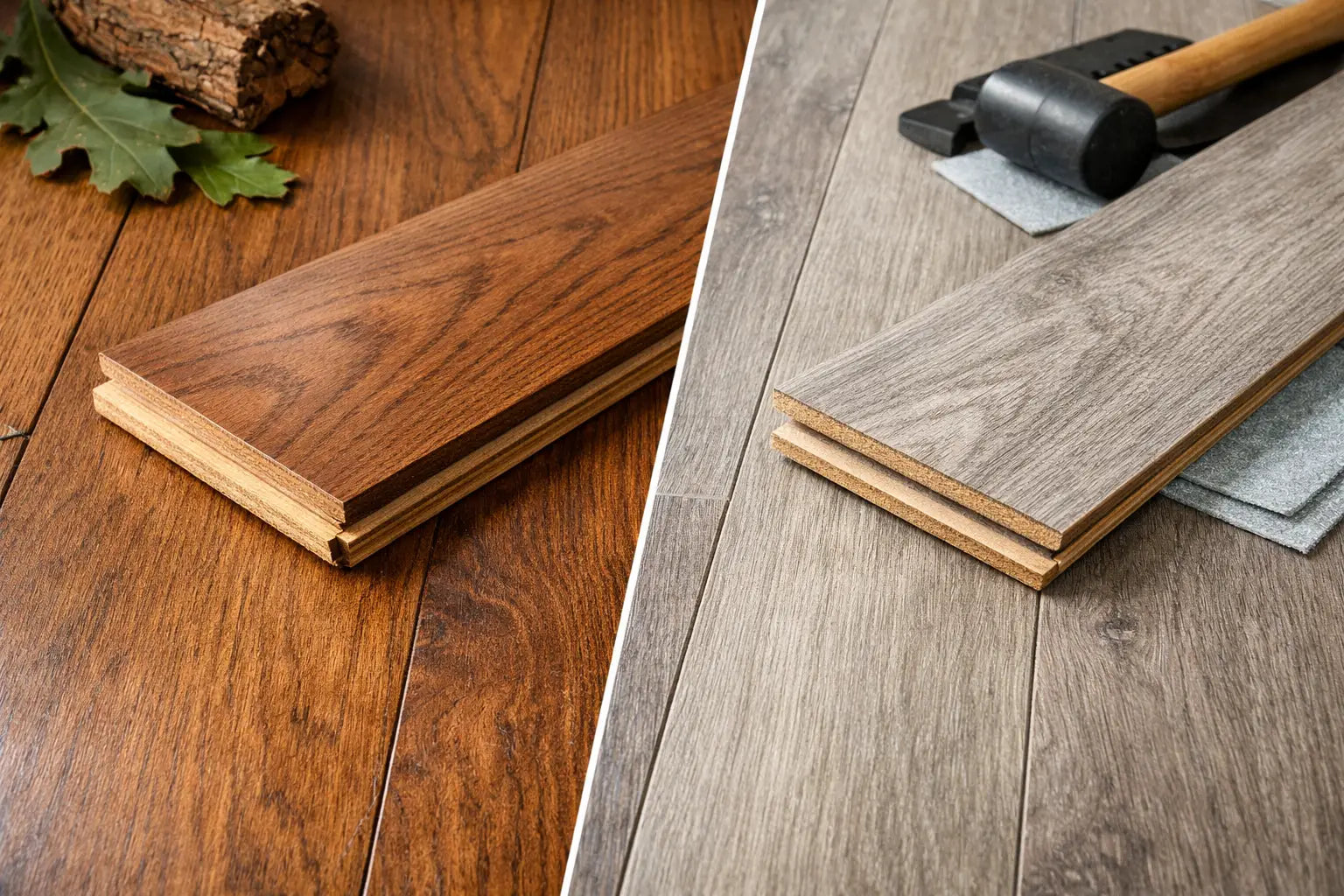
Luxury vinyl plank, often called LVP, and luxury vinyl tile, or LVT, are at the top of many lists for good reason. They are among the best waterproof flooring materials because the product itself is designed to resist water, and many styles closely mimic hardwood or stone.
For busy households, LVP hits a sweet spot. It is comfortable underfoot, quieter than tile, and available in a wide range of colors and textures. It also works well in kitchens, bathrooms, basements, and entryways where moisture is common. In commercial settings, it can be a practical choice for offices, boutiques, and waiting areas that need a polished look without the maintenance demands of natural materials.
The trade-off is that not all vinyl products are built the same. Wear layer thickness, core construction, and installation quality all affect long-term performance. Lower-cost products can show dents or wear sooner, especially in high-traffic areas. If appearance and durability both matter, this is one category where better construction usually pays off.
Sheet vinyl
Sheet vinyl does not always get the same attention as plank flooring, but it remains a very practical waterproof option. Because it comes in large rolls, it has fewer seams than plank or tile products. That can make it especially useful in bathrooms, laundry rooms, and utility spaces where reducing water penetration is a priority.
It is also usually one of the more budget-friendly choices. For homeowners who need dependable moisture protection without stretching the budget, sheet vinyl can be a smart fit. The look has improved over the years, though it still may not deliver the same high-end appearance as premium LVP or tile.
Its biggest limitation is often perception and repair. If a section gets damaged, patching can be more noticeable than replacing a single plank or tile. It is functional first, and that works well in the right room.
Porcelain tile
Porcelain tile is one of the most durable flooring options available, and it performs exceptionally well around water. It is ideal for bathrooms, mudrooms, kitchens, and some commercial spaces where toughness matters as much as appearance.
What makes porcelain stand out is its density. It resists moisture, scratches, and heavy wear better than many other materials. It also offers design flexibility, from clean modern looks to surfaces that resemble stone or wood.
Still, porcelain tile is not the right answer for every project. It is harder and colder underfoot than vinyl, and installation is more labor-intensive. Grout lines also need attention over time, since grout can stain or absorb moisture if not maintained properly. If comfort is a top concern, especially in family living spaces, tile may feel less forgiving.
Ceramic tile
Ceramic tile is often grouped with porcelain, and for many rooms, that makes sense. It is also a strong choice for moisture-prone areas and comes in many styles at a range of price points.
Compared with porcelain, ceramic is typically a bit less dense and may be better suited to residential settings with moderate traffic rather than the most demanding environments. It can still perform very well in bathrooms, kitchens, and laundry rooms when installed correctly.
The same trade-offs apply here. Tile offers excellent water protection, but it is not soft or warm, and grout care remains part of ownership. It is a classic solution, though, and for homeowners who want a clean, established look, ceramic still deserves consideration.
Waterproof laminate
Laminate used to be easy to rule out for wet areas, but newer waterproof laminate products have changed that conversation. Some are built with tightly sealed locking systems and water-repelling surface technology that helps them stand up to spills far better than older laminate floors.
This can be a good option for homeowners who want the look of wood with more scratch resistance and a familiar underfoot feel. It often works well in main living areas, kitchens, and entryways when the product is specifically rated as waterproof.
But this is one category where reading the fine print matters. Waterproof laminate is not the same as traditional laminate, and performance can vary by brand and construction. It is usually better with everyday spills than with standing water for extended periods. For full bathrooms or basements with moisture concerns, other materials may offer more peace of mind.
Concrete
Concrete is naturally water-tolerant and makes sense in basements, commercial spaces, and modern homes that lean toward an industrial style. When sealed properly, it can be very durable and easy to maintain.
It also gives property owners some design flexibility. Staining, polishing, and decorative finishes can create a surprisingly refined appearance. In commercial settings, concrete can be a hardworking option that handles traffic well.
The downside is comfort. Like tile, concrete is hard underfoot and can feel cold. Cracking is also possible over time, especially if the slab shifts. It is a strong performer, but it is usually chosen as much for style and structure as for moisture resistance.
Natural stone
Some natural stone floors perform well in wet spaces, especially when sealed and maintained correctly. Slate is a common example in mudrooms, entryways, and certain bathroom designs.
Stone brings a premium look that many homeowners love, but it also requires more care than manufactured waterproof flooring. Porosity varies by stone type, and sealing is not optional if moisture exposure is part of the plan. Cost is another factor. For many projects, porcelain tile can deliver a similar visual effect with less maintenance and a lower overall investment.
How to choose the best waterproof flooring materials for your space
The best choice depends on where the floor is going and what you expect it to handle. A basement with occasional humidity issues is a different environment than a busy kitchen or a retail space with constant foot traffic.
If you want the closest look to hardwood in moisture-prone areas, luxury vinyl plank is often the practical front-runner. If your priority is maximum hardness and long-term durability, porcelain tile is hard to beat. If budget is tight and the room is more functional than decorative, sheet vinyl may make the most sense.
It also helps to think past the showroom sample. A floor that looks great in a photo may not be the best fit if it feels too hard, shows dirt easily, or cannot handle the wear your household dishes out every week. Good flooring decisions balance appearance with how people actually live and work in the space.
Installation matters as much as the material
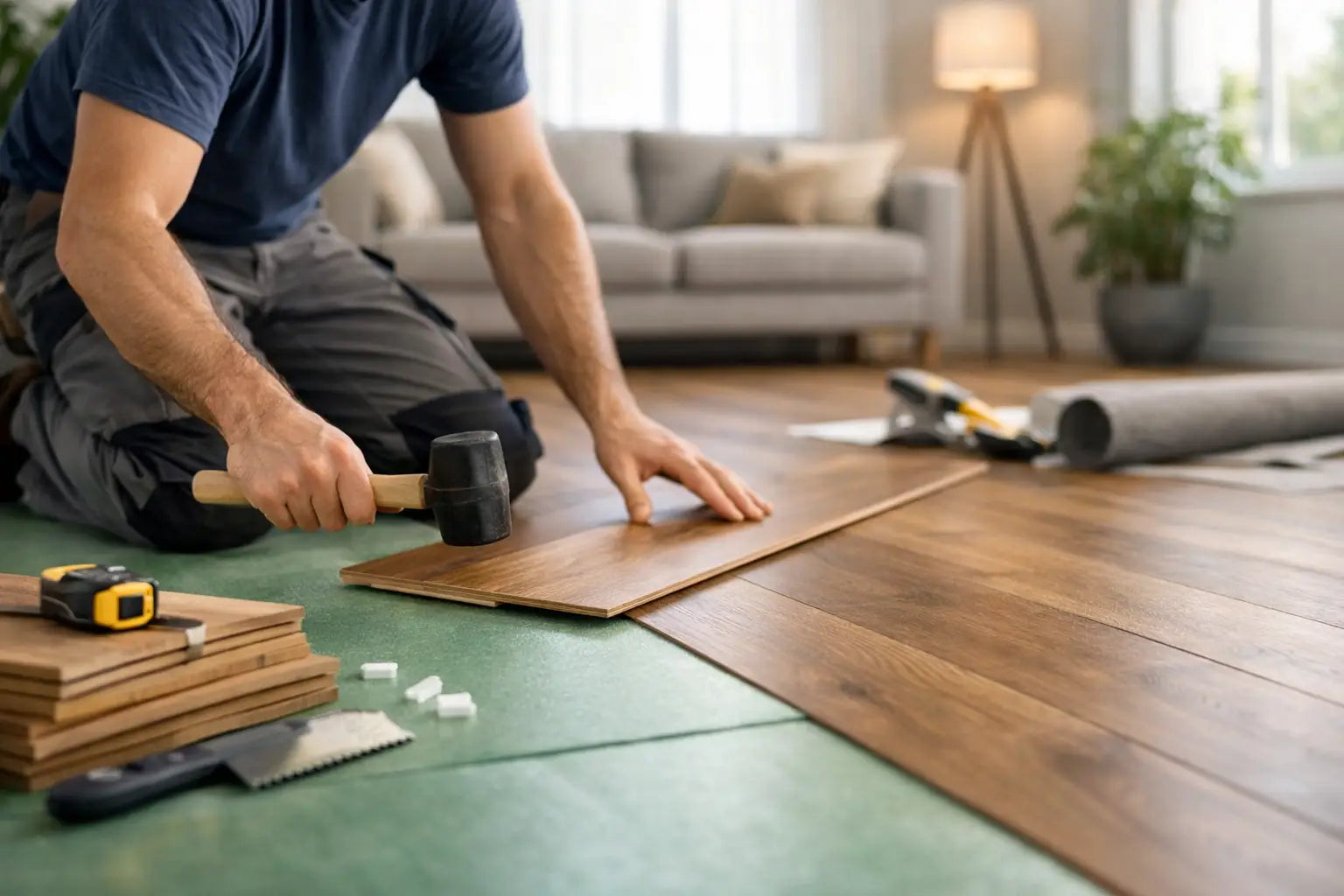
Even the best product can disappoint if the installation is rushed or the subfloor is not properly prepared. Gaps, uneven surfaces, poor seam placement, and skipped moisture testing can all shorten the life of a waterproof floor.
That is especially true in basements, bathrooms, and commercial environments where moisture issues may already exist below the surface. A professional assessment can catch problems early and help match the material to the conditions of the room instead of relying on product labels alone.
For homeowners in Olathe, Overland Park, Lenexa, Leawood, Shawnee, and Kansas City, this is where working with an experienced local flooring team can save time and money. At FC Hardwood Floors, we often help customers compare looks, performance, and budget side by side so the final choice feels just as good in six months as it does on installation day.
Waterproof flooring should make life easier, not give you one more thing to worry about. The right material brings peace of mind, holds up to real use, and still gives your space the finished look you want.

Leave a comment
This site is protected by hCaptcha and the hCaptcha Privacy Policy and Terms of Service apply.