
Hardwood vs Laminate Flooring: Which Fits?
A floor can look great in a showroom and still be the wrong choice once real life starts happening on top of it. Kids run through the kitchen. Chairs scrape across dining rooms. Pets track in water. Tenants move furniture without lifting it. That is why the hardwood vs laminate flooring question is not really about which one looks better at first glance. It is about which one fits the way your space actually gets used.
Both materials can be attractive, durable, and worthwhile. The better option depends on your budget, the room, your long-term plans, and how much wear you expect day to day. If you are weighing appearance against practicality, here is how to think it through clearly.
Hardwood vs laminate flooring at a glance
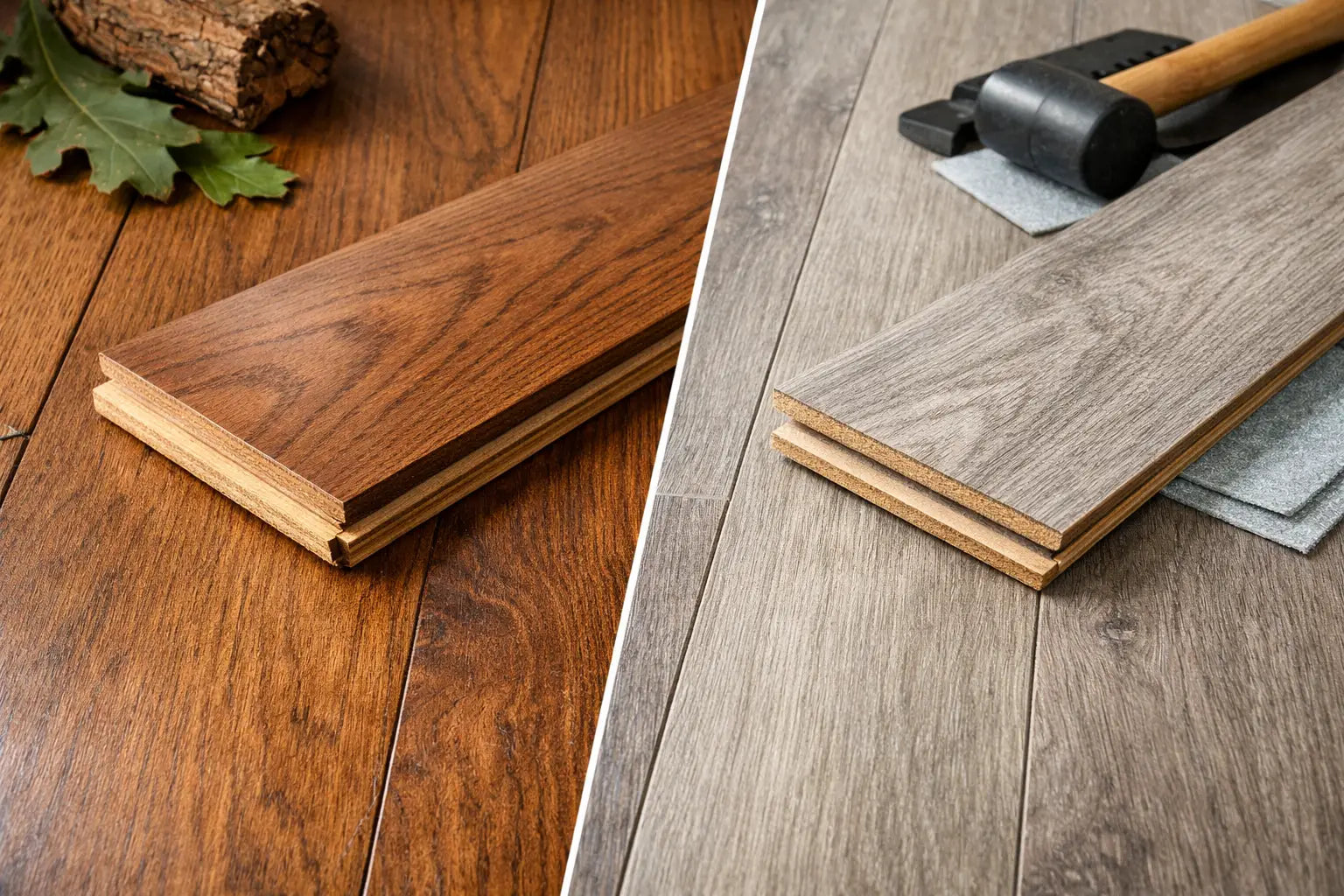
Hardwood is real wood. Each plank is made from solid wood or a genuine hardwood layer, depending on the product. It has natural variation in grain, color, and texture that gives it a warm, high-end feel. It can also add long-term value to a property and, in many cases, can be refinished when it shows age.
Laminate is a manufactured flooring product built in layers. The top surface is a photographic image designed to look like wood, while the core is typically made from high-density fiberboard. Quality laminate has improved significantly over the years. It can offer a convincing wood look at a more accessible price point and often stands up well to busy households.
Neither material is automatically right or wrong. The best choice comes down to where it is going, what you expect from it, and how long you want it to last.
Appearance and feel
If your top priority is authenticity, hardwood has the advantage. Real wood has depth that is difficult to fully replicate. Light reflects differently across the grain, boards have natural character, and the floor develops a lived-in look over time that many homeowners appreciate. In a formal dining room, main living area, or custom home renovation, that visual difference matters.
Laminate has come a long way, though. Better products offer realistic textures, varied plank patterns, and finishes that look far more natural than older laminate floors did. In many family homes, guests may not notice the difference unless they are looking closely. For owners who want the wood look without stretching the budget, laminate can be a practical way to achieve the style they want.
Underfoot, hardwood usually feels more solid and substantial. Laminate can feel slightly harder or more hollow depending on the subfloor and installation quality. This is one reason professional installation and proper preparation matter so much. Even a good product can disappoint if the floor beneath it is uneven.
Cost and long-term value
Upfront cost is often where the decision starts. Laminate is usually less expensive than hardwood, both in material cost and, in some cases, overall project cost. That makes it appealing for larger spaces, rental properties, and projects where budget control is a major factor.
Hardwood generally costs more because you are paying for real wood and the craftsmanship that goes with it. Installation can also be more involved. But cost should be weighed against lifespan. A well-installed hardwood floor can last for decades and may be refinished more than once, extending its life and refreshing its appearance without full replacement.
Laminate does not offer that same refinishing option. Once the surface is badly worn, chipped, or water-damaged, replacement is usually the path forward. For some customers, that is still a smart trade-off. If you want a lower initial investment for a space that gets heavy use, laminate can make good sense. If you are planning for the long term and care about resale appeal, hardwood often earns its higher price over time.
Durability in busy homes and commercial spaces
Durability is not one-size-fits-all. Hardwood is durable, but it is still wood. It can scratch from pet nails, dent from dropped objects, and show wear in high-traffic paths. Some species perform better than others, and the finish matters, but hardwood does require a little respect.
Laminate is often more resistant to surface scratches and everyday wear. That can make it a strong choice for active households, retail environments, waiting areas, or offices where rolling chairs and frequent foot traffic are part of daily life. If your main concern is protecting the floor from scuffs and abrasion, laminate may offer more peace of mind.
That said, impact damage can be tougher on laminate. A chipped laminate plank cannot be sanded and repaired like hardwood can. So while laminate may hold up well against routine wear, it is not always more forgiving in the long run.
Moisture and room placement
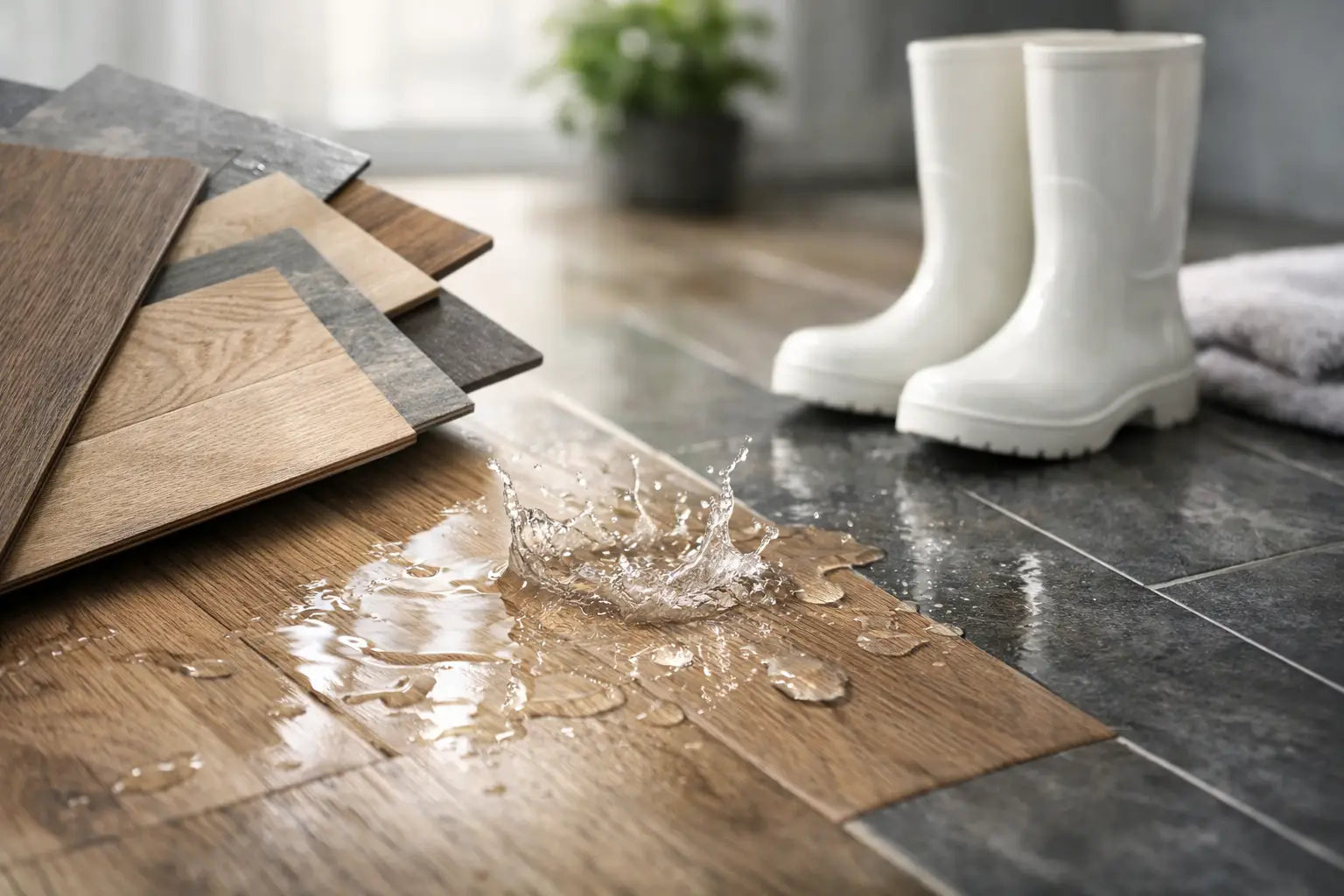
Moisture is one of the biggest deciding factors in the hardwood vs laminate flooring conversation. Traditional hardwood and standing water are not a good mix. Spills that are wiped up quickly are usually manageable, but ongoing moisture, wet mopping, or humidity swings can cause warping, cupping, or gaps.
Laminate is not waterproof by default, but many modern products handle minor moisture better than hardwood. That can make laminate a better fit for entryways, powder rooms, or homes with pets and kids where small spills are part of life. Still, laminate can swell at the seams if water sits too long, especially with lower-grade products.
For areas with frequent moisture exposure, it is worth considering whether another flooring type would serve you better. A good flooring decision is not about forcing one material into every room. It is about matching the material to the conditions.
Maintenance and repair
Hardwood and laminate are both relatively simple to maintain if you use the right cleaning methods. Regular sweeping or vacuuming and occasional cleaning with a manufacturer-approved product will help keep either floor looking good.
The difference shows up when damage happens. Hardwood can often be repaired, screened, or refinished depending on the severity of wear. That flexibility is a major benefit for homeowners who plan to stay in the house for years. Scratches and dullness are not always the end of the road.
Laminate is easier in some day-to-day situations because its wear layer resists a lot of common scuffing. But when a section is damaged, repair options are more limited. You are usually replacing boards, not restoring them. If product availability changes over time, matching can also become more difficult.
What works best for resale
For many buyers, hardwood still carries stronger resale appeal. It is widely seen as a premium feature, and that perception can matter when a property hits the market. Buyers often like the idea that hardwood is natural, long-lasting, and restorable.
Laminate can still help a property show well, especially if the existing flooring is dated or worn out. A clean, attractive laminate floor is far better than stained carpet or damaged sheet flooring. But in a direct comparison, hardwood usually has the stronger value signal.
If resale is a near-term goal, think about your neighborhood and price point. In some homes, hardwood aligns with buyer expectations. In others, a quality laminate floor may be the more practical investment.
How to choose the right floor for your space
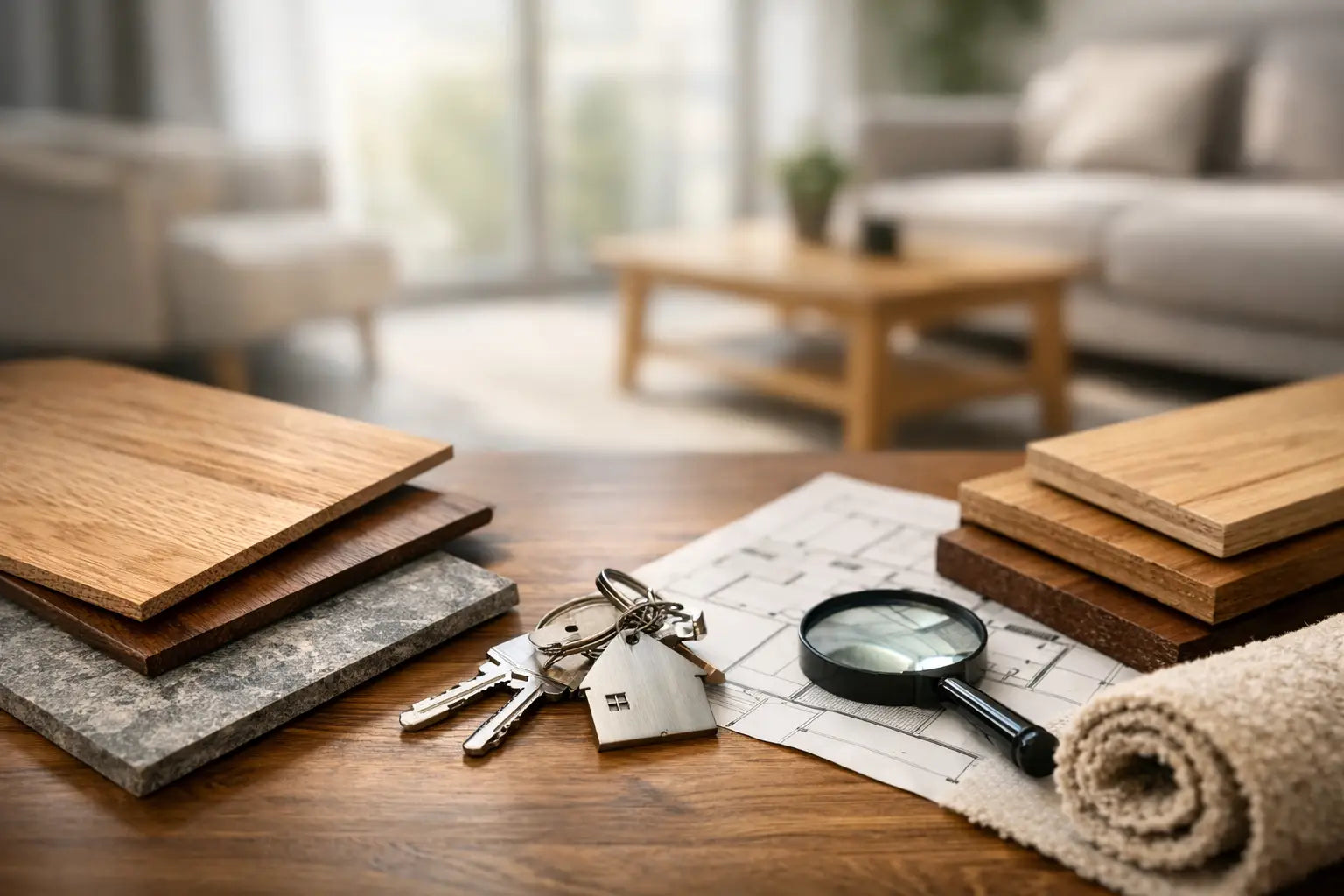
The best flooring decisions are rarely made by looking at samples alone. You need to think about traffic, moisture, comfort, maintenance, budget, and how long you plan to keep the property.
Choose hardwood if you want a premium natural look, care about long-term value, and are willing to protect and maintain the floor over time. It is especially strong in living rooms, bedrooms, dining rooms, and spaces where appearance and resale matter most.
Choose laminate if you want a more budget-conscious option, need good scratch resistance, or are flooring a high-activity area where practicality leads the conversation. It can be a strong solution for busy family homes and many commercial settings where appearance still matters but cost control and day-to-day durability matter just as much.
At FC Hardwood Floors, this is where a hands-on consultation makes a real difference. The right answer is not always the most expensive material or the trendiest one. It is the floor that fits your space, your priorities, and the way you actually live or work.
A good floor should feel like the right decision long after installation day. If you are torn between hardwood and laminate, start with the room, the traffic, and your long-term plan. The better choice becomes much clearer once you look at how the floor needs to perform, not just how it looks in the sample board.

Leave a comment
This site is protected by hCaptcha and the hCaptcha Privacy Policy and Terms of Service apply.