How to Maintain Luxury Vinyl Floors
Luxury vinyl is popular for a reason. It gives homeowners and property managers the look of wood or tile without the same level of upkeep, but low maintenance does not mean no maintenance. If you want to know how to maintain luxury vinyl, the goal is simple: keep grit off the surface, clean it the right way, and avoid the small mistakes that wear a floor down before its time.
That matters whether the flooring is in a busy family kitchen, a rental property entry, or a commercial space with constant foot traffic. A good luxury vinyl floor can handle a lot, but daily use still leaves a mark when dirt, moisture, furniture movement, and harsh cleaners are part of the routine.
How to maintain luxury vinyl without overcomplicating it
The best care plan is usually the simplest one. Regular sweeping or dry dust mopping removes the sand, pet hair, and fine debris that act like sandpaper under shoes. In most homes, once a day in the busiest areas and a few times a week elsewhere is enough. In commercial settings or active households, you may need to do it more often.
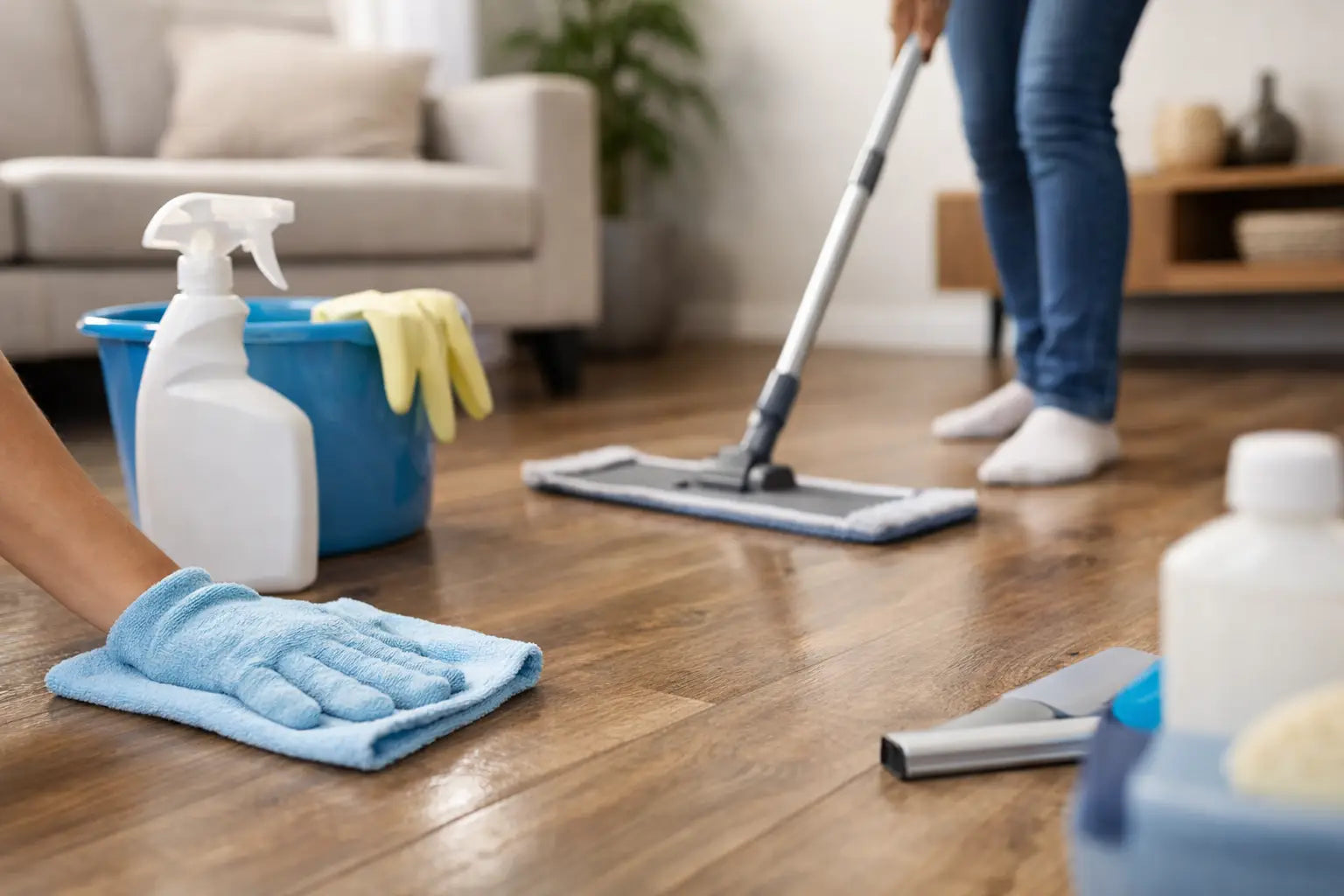
After dry cleaning, use a damp mop as needed. The key word is damp. Luxury vinyl does not need to be soaked, and standing water can work its way into seams or edges over time. Warm water with a manufacturer-approved cleaner is usually the safest route. If you are not sure what was recommended for your specific product, it is better to use less product and more caution than to experiment with strong cleaners.
This is where many floors get into trouble. People often assume that if a little cleaner works, more must work better. On luxury vinyl, too much cleaner can leave behind a dull film that attracts more dirt and makes the floor look worse, not better.
Daily and weekly habits that protect the finish
A few small habits make a noticeable difference in how luxury vinyl looks after several years. Start at the door. Doormats at exterior entrances help stop grit before it reaches the floor. In kitchens, laundry rooms, and back entries, that simple step can reduce daily abrasion.
Furniture protection matters too. Chairs that slide back and forth, bar stools, and movable tables can slowly scratch or scuff the wear layer. Felt pads are inexpensive and effective, but they need occasional checking. Once they collect grit or wear thin, they stop helping.
If you have rolling office chairs, it depends on the wheel type and how often they are used. Some luxury vinyl floors can handle soft casters well, while others benefit from a chair mat in concentrated work areas. Heavy traffic in one spot can create wear patterns over time, even on durable flooring.
Pet owners should keep nails trimmed. Luxury vinyl is resilient, but repeated scratching from large dogs can still leave visible marks, especially in sunlight or at certain angles. That does not mean luxury vinyl is a poor choice for pet households. It often performs very well. It just benefits from practical care.
The right way to clean spills and stains
One advantage of luxury vinyl is that most spills are easy to handle if you catch them quickly. Wipe them up as soon as possible with a soft cloth or paper towel, then follow with a damp cloth if needed. For sticky residue, a gentle cleaner approved for vinyl flooring usually does the job.
The biggest mistake is scrubbing aggressively with abrasive pads or powdered cleaners. That can wear the protective layer and leave the floor more vulnerable to future staining. A better approach is patience. Let the cleaner sit briefly if the product instructions allow it, then wipe clean with a soft cloth.
For scuffs, try a microfiber cloth first. Some marks come off with light rubbing and a small amount of floor-safe cleaner. If a stain does not lift easily, stop before using harsh chemicals. Products like bleach, ammonia-heavy cleaners, waxes, polish, steam mops, and oil soaps can do more harm than good depending on the flooring brand and finish.
What not to do when caring for luxury vinyl
Knowing how to maintain luxury vinyl also means knowing what to avoid. Steam cleaning is one of the most common problems. Even though luxury vinyl is known for water resistance, high heat and steam pressure can stress the adhesive, affect plank stability, or force moisture into vulnerable areas.
Excess water is another issue. A dripping wet mop, pooled water near tubs or sinks, or repeated moisture around edges can create long-term problems. Water-resistant is not the same as waterproof in every installation condition, and even waterproof products rely on proper installation and reasonable care.
Be careful with rubber-backed mats as well. Some can discolor the floor over time. Non-staining mats made for vinyl flooring are the safer option. The same caution applies to harsh solvent-based products or anything marketed as a shine booster unless the flooring manufacturer specifically recommends it. Many of those products create buildup that is difficult to remove.
How to maintain luxury vinyl in high-traffic rooms
Not every room wears the same way, so your care routine should reflect how the space is used. In kitchens, crumbs and cooking residue are common, so more frequent sweeping and spot cleaning make sense. Around sinks and dishwashers, drying the floor after splashes helps protect seams and keeps the surface looking cleaner.
In bathrooms and laundry areas, moisture control matters more than anything else. Good ventilation, quick cleanup of puddles, and attention around toilets, tubs, and appliances go a long way. If a washing machine or water line ever leaks, address it immediately rather than assuming the floor will be unaffected.
For commercial spaces, entryways and checkout or reception areas often need the most attention. Dirt gets tracked in continuously, and wear is concentrated. In these settings, routine maintenance is less about keeping up appearances for a day and more about protecting the floor investment over the long term.
When luxury vinyl starts to look dull
A dull floor does not always mean the material is failing. In many cases, it means there is residue on the surface or embedded dirt in textured areas. Before assuming the floor is worn out, revisit the cleaning process. Too much soap, the wrong cleaner, or infrequent dry cleaning can all leave the floor looking tired.
Start with a thorough sweep or vacuum using a hard-floor setting with no beater bar. Then damp mop with a properly diluted vinyl-safe cleaner. Sometimes restoring the appearance is that straightforward.
If the floor still looks uneven, it may be wear rather than dirt. That tends to happen more in paths of heavy traffic, under office chairs, or in spaces where grit is regularly tracked in. At that point, professional advice can help you determine whether the issue is surface buildup, product wear, or an installation-related concern.
Seasonal care and long-term performance
Kansas City area weather can be hard on any floor. Rain, snow, ice melt, and summer dust all get carried indoors. During wet or wintry months, extra attention at entry points is worth it. A good mat system and more frequent sweeping can prevent a lot of unnecessary abrasion.
Sunlight is another factor people overlook. Some luxury vinyl products hold color very well, but strong, repeated UV exposure can still affect appearance over time. Window coverings in bright rooms can help reduce uneven fading, especially in spaces with large patio doors or south-facing windows.
If you are moving appliances or heavy furniture, lift rather than drag whenever possible. Use floor protection during renovations, painting, or deliveries. These are temporary moments that can cause permanent damage if the floor is left exposed.
At FC Hardwood Floors, we often remind customers that the best-looking floors are not always the ones that get the most aggressive cleaning. They are the ones that get consistent, sensible care from the start.
Luxury vinyl is built for real life, which is exactly why maintenance should feel manageable. Keep dirt off the surface, clean with the right products, protect the busiest areas, and respond quickly to moisture and spills. A little attention on the front end keeps the floor looking like you intended when you chose it in the first place.

Leave a comment
This site is protected by hCaptcha and the hCaptcha Privacy Policy and Terms of Service apply.