Luxury Vinyl Flooring Guide for Smart Buyers
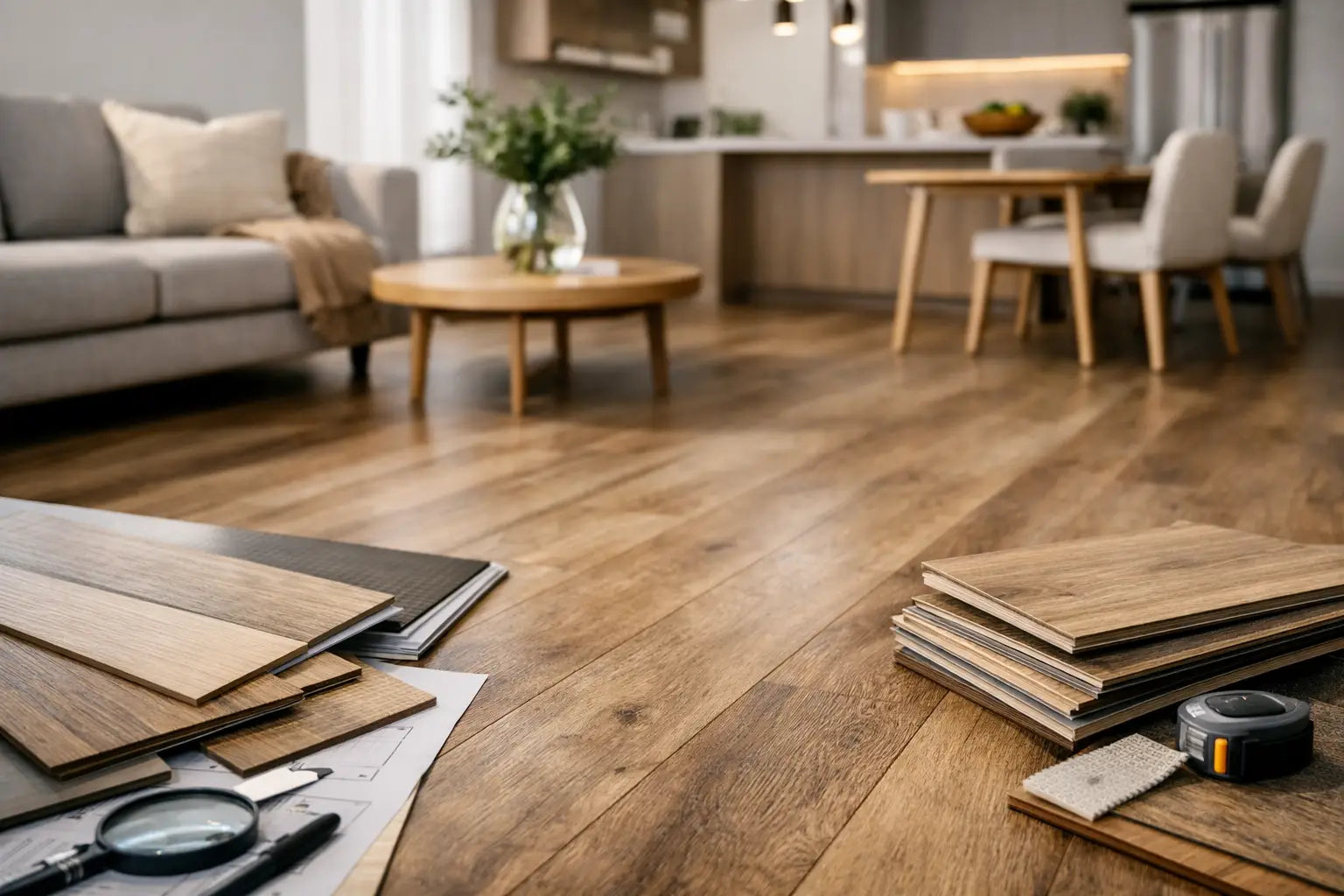
A floor can look great in a showroom and still be the wrong choice for your home or business. That is why a good luxury vinyl flooring guide should do more than show colors and trends. It should help you sort through wear layers, core types, water resistance, installation methods, and the real-life trade-offs that affect how the floor will perform after the boxes are opened.
Luxury vinyl has become a go-to option for customers who want the look of hardwood or tile without the same price, maintenance, or sensitivity to moisture. For many households and commercial spaces, it hits a very practical middle ground. It offers style, durability, and easier upkeep, but the best results still depend on choosing the right product for the room and having it installed correctly.
What this luxury vinyl flooring guide should clear up
Luxury vinyl flooring is not one single product. Most people are really choosing between luxury vinyl plank, often called LVP, and luxury vinyl tile, known as LVT. Plank formats are designed to mimic hardwood, while tile formats are made to resemble stone, ceramic, or porcelain.
That sounds simple, but quality can vary quite a bit. Some products are built for light residential use, while others are made to stand up to busy family homes, pets, rolling office chairs, and commercial traffic. If you only compare color and price, you can miss the details that matter most after installation.
The first thing to understand is structure. Luxury vinyl flooring is usually made in layers. The top wear layer protects the printed design beneath it. The thicker and better-made that wear layer is, the more resistant the floor tends to be to scratches, scuffs, and everyday wear. Beneath that, the core affects comfort, stability, and how the floor handles minor subfloor imperfections.
LVP vs. LVT: which look fits the space?
If you like the warmth of hardwood but need something more forgiving around moisture, LVP is usually the natural starting point. It works well in kitchens, basements, bathrooms, laundry rooms, and busy living areas where spills and foot traffic are part of daily life. Many modern plank designs have realistic texture and color variation, so they do a much better job of imitating wood than older vinyl products did.
LVT makes more sense when the design goal leans toward stone or tile. It can give a clean, polished appearance in bathrooms, entryways, commercial reception areas, and other rooms where a tile look feels right. It is also often warmer and softer underfoot than traditional tile, which some homeowners appreciate right away.
The decision usually comes down to visual style first, but room function matters just as much. A plank floor that looks like white oak may be perfect for an open main level. A tile-look vinyl may be the better fit for a restroom, mudroom, or break room where that look feels more natural.
Waterproof does not mean worry-free
One reason luxury vinyl is so popular is its reputation for being waterproof. In many cases, that is true. The product itself may resist water very well, especially rigid core options. But that does not mean every floor assembly is immune to problems.
Water can still find its way around the edges, through seams if the product is poorly installed, or down into the subfloor if there is a plumbing leak or standing water left too long. In bathrooms, laundry areas, and basements, the material helps reduce risk, but it does not replace good prep work and common-sense maintenance.
That is one of the biggest misunderstandings customers have. Waterproof flooring is a major advantage, but it is not a free pass to ignore moisture issues in the room itself.
Why wear layer matters more than many buyers realize
If you are comparing two products that look similar, the wear layer is often where the real difference shows up. A thicker wear layer generally provides better protection in active homes and commercial environments. For a guest room or low-traffic office, a lighter-duty product may be enough. For kitchens, hallways, family rooms, retail spaces, or properties with pets and children, it usually makes sense to step up to a stronger option.
This is also where budget and value have to be balanced carefully. The least expensive luxury vinyl can still look attractive at first, but if it shows wear too quickly, it stops feeling like a good deal. Spending a bit more upfront for a floor that lasts longer often saves money and frustration later.
Installation can make or break the result
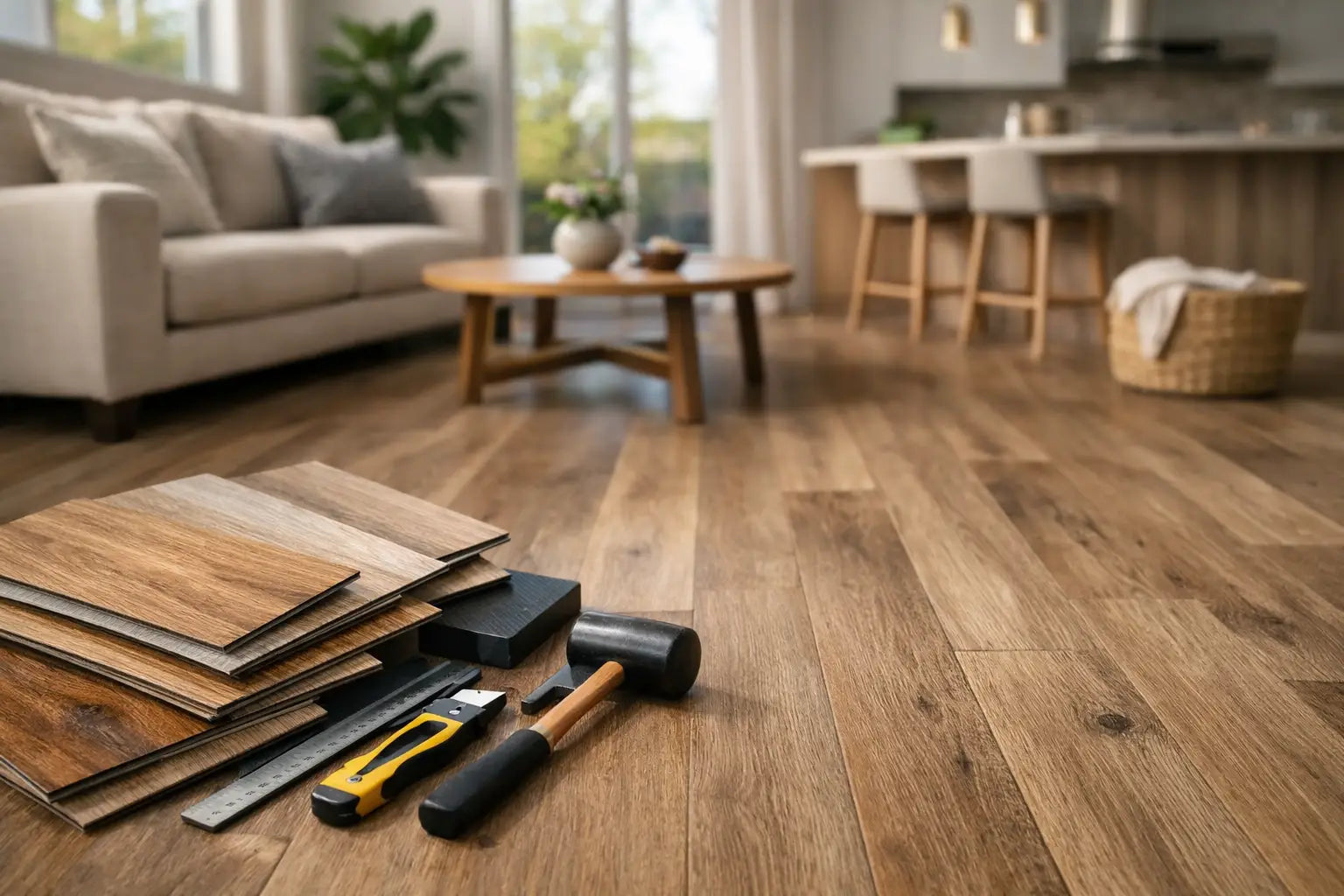
A quality product still needs a proper installation. Subfloor condition matters more than many people expect. If the surface underneath is uneven, damaged, or not prepared correctly, even a good luxury vinyl floor can shift, gap, click, or wear unevenly over time.
Floating click-lock systems are popular because they are efficient and clean to install. They work well in many homes and businesses, especially when the subfloor is prepared correctly. Glue-down options can be an excellent fit too, particularly in commercial settings or large spaces where extra stability is important. Neither method is universally better. It depends on the product, the room, the traffic level, and the condition of the subfloor.
This is one area where hands-on guidance matters. A family-owned flooring company that actually evaluates the room, explains the options, and gives a clear estimate can save you from expensive guesswork.
Where luxury vinyl flooring makes the most sense
Luxury vinyl is a strong choice for busy homes that need durability without giving up style. It is especially useful in spaces where hardwood may be less practical because of moisture, pets, or heavy daily use. Kitchens, finished basements, bathrooms, mudrooms, rental properties, and playrooms are common examples.
It also works well in many commercial interiors. Offices, boutique retail spaces, property management turnovers, waiting rooms, and light commercial areas often benefit from luxury vinyl because it can be installed relatively quickly, cleaned easily, and selected in a look that supports the brand or design of the space.
That said, it is not always the best answer. If a homeowner wants the long-term value, natural variation, and refinishing potential of real hardwood, vinyl is a different category altogether. It can imitate wood beautifully, but it is still a manufactured product. For some projects, that is a benefit. For others, especially high-end custom homes centered on natural materials, hardwood may remain the better investment.
Comfort, sound, and daily maintenance
Luxury vinyl is generally more forgiving underfoot than ceramic or stone tile. Some products include an attached pad, while others may require a separate underlayment depending on the installation system and manufacturer guidelines. This can improve comfort and help with sound, though expectations should stay realistic. It may soften noise, but it will not make a busy household silent.
Maintenance is another major plus. Routine sweeping and damp mopping are usually enough to keep the floor looking good. There is no sanding, staining, or refinishing involved. That simplicity is part of the appeal for families, landlords, and business owners who want attractive flooring without high upkeep.
Still, easy maintenance does not mean no maintenance. Dirt and grit can act like sandpaper over time, especially in entryways. Furniture pads, walk-off mats, and prompt cleanup still help protect the finish and extend the life of the floor.
How to shop without getting overwhelmed
The smartest way to shop for luxury vinyl is to start with the room, not the sample board. Think about moisture, traffic, pets, sunlight, rolling furniture, and how long you expect the floor to last. Then compare the construction details that support those needs.
It also helps to look at samples in the actual space. Lighting changes everything. A color that feels warm in a showroom may look too gray at home, or the opposite. Large plank sizes, embossed texture, and realistic edge detail can all improve the final look, but only if they fit the scale and style of the room.
For homeowners and property decision-makers in the Kansas City area, this is where a local team like FC Hardwood Floors can be especially helpful. Seeing samples, discussing your budget honestly, and getting advice based on the specific space usually leads to a better decision than trying to decode product specs alone.
Cost, value, and the right expectations
Luxury vinyl is often described as affordable luxury because it can deliver a polished, high-end look at a lower cost than many natural materials. That is true, but pricing still varies based on product quality, installation complexity, floor prep, and room layout.
A simple rectangular room with a clean subfloor will usually cost less than a project with transitions, repairs, custom cuts, or moisture-related prep. The best value is not always the cheapest quote. It is the floor that fits the space, performs the way you need it to, and is installed with enough care to look right for years.
The right floor should make daily life easier, not leave you second-guessing the choice every time shoes hit the entryway or a spill lands in the kitchen. If luxury vinyl is on your shortlist, take the time to compare more than color. The product you choose, and the guidance behind that choice, will shape how satisfied you are long after installation day.

Leave a comment
This site is protected by hCaptcha and the hCaptcha Privacy Policy and Terms of Service apply.