Commercial Flooring Kansas City Buyers Need
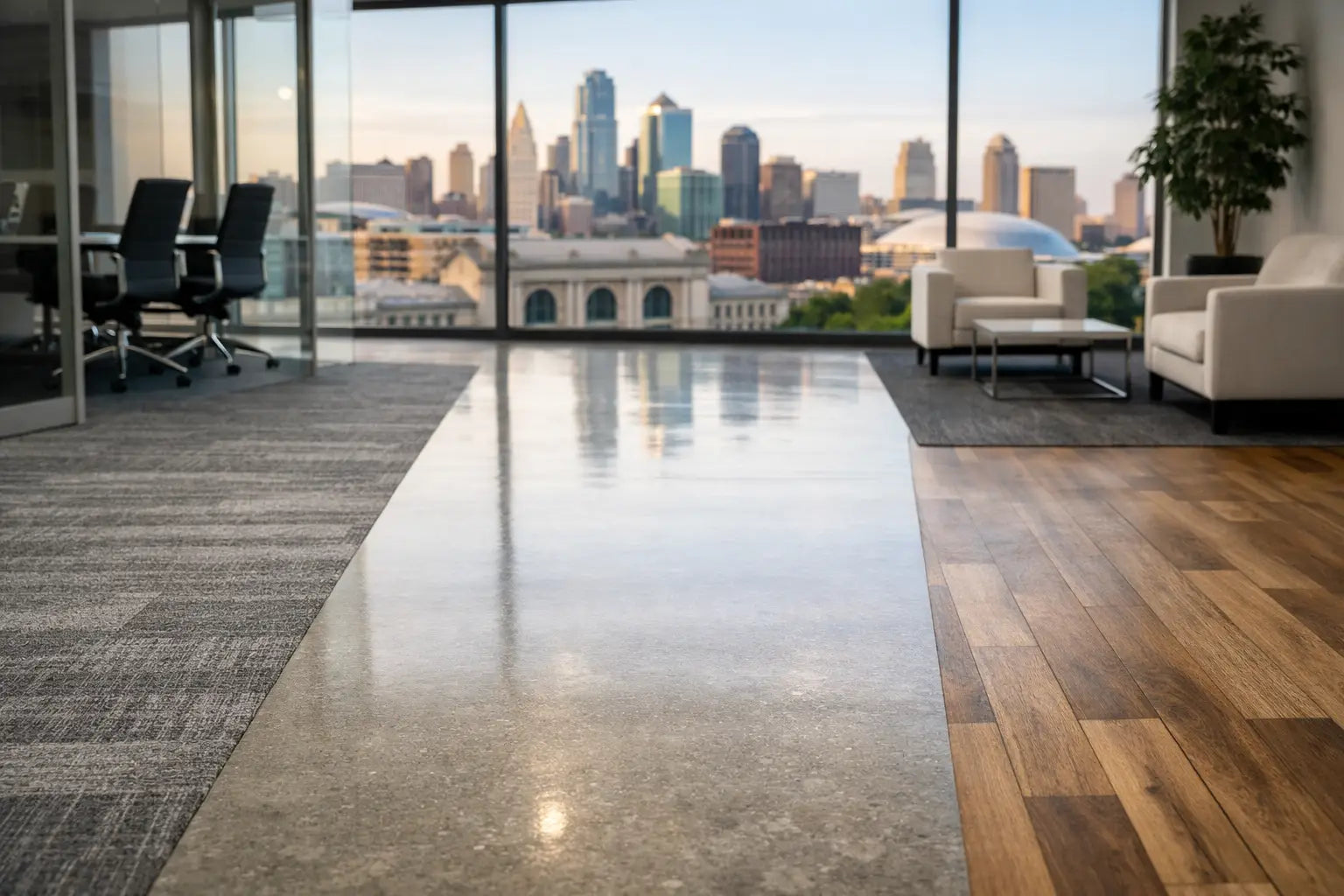
A floor can make a business look polished on day one and worn out by month six if the material is wrong for the space. That is why commercial flooring Kansas City property owners choose needs to do more than look good in a showroom. It has to handle traffic, fit the brand, stay within budget, and hold up under real daily use.
For a retail shop, that might mean a surface that stands up to constant foot traffic and easy cleaning. For an office, it may be a floor that feels professional without creating too much noise. For restaurants, clinics, and multi-use commercial properties, the decision gets even more specific. The right answer is rarely about the most expensive material. It is about the best fit.
What matters most in commercial flooring Kansas City projects
Commercial spaces ask more from flooring than most homes ever will. Chairs roll across it. Deliveries scrape over it. Moisture gets tracked in. Cleaning crews use it hard. A floor that looks great but cannot handle the pace of the business often becomes an expensive mistake.
Durability is usually the first concern, but it should not be the only one. Maintenance matters just as much. Some materials can take abuse but require more frequent care to keep their appearance. Others are easy to maintain but may not deliver the warmth or upscale look a customer-facing business wants.
Budget also needs a wider view. The lowest installation price is not always the lowest long-term cost. If a floor has to be replaced early, patched constantly, or refinished more often than expected, the savings disappear quickly. Business owners and property managers usually do best when they compare installation cost, maintenance needs, expected lifespan, and downtime together.
Hardwood in commercial spaces
Hardwood still carries a level of character and visual value that few other materials can match. In boutiques, professional offices, hospitality settings, and certain multi-family common areas, hardwood creates a polished, high-end impression that can elevate the entire space.
That said, hardwood is not the right fit for every commercial property. It performs best in spaces where moisture is controlled and wear is steady but not extreme. Heavy grit, frequent spills, and constant dragging loads can shorten its life if the finish and wood species are not chosen carefully.
Where hardwood makes sense, the payoff is long-term value and appearance. One major advantage is that many hardwood floors can be restored rather than fully replaced. For owners thinking beyond the next few years, that can make a meaningful difference. A well-installed hardwood floor with the right finish system can remain a strong asset for a long time.
When hardwood is a smart commercial choice
Hardwood tends to work well in law offices, conference areas, high-end retail, reception spaces, and businesses where appearance plays a direct role in customer experience. It also fits properties that want a more custom, permanent look instead of a basic builder-grade finish.
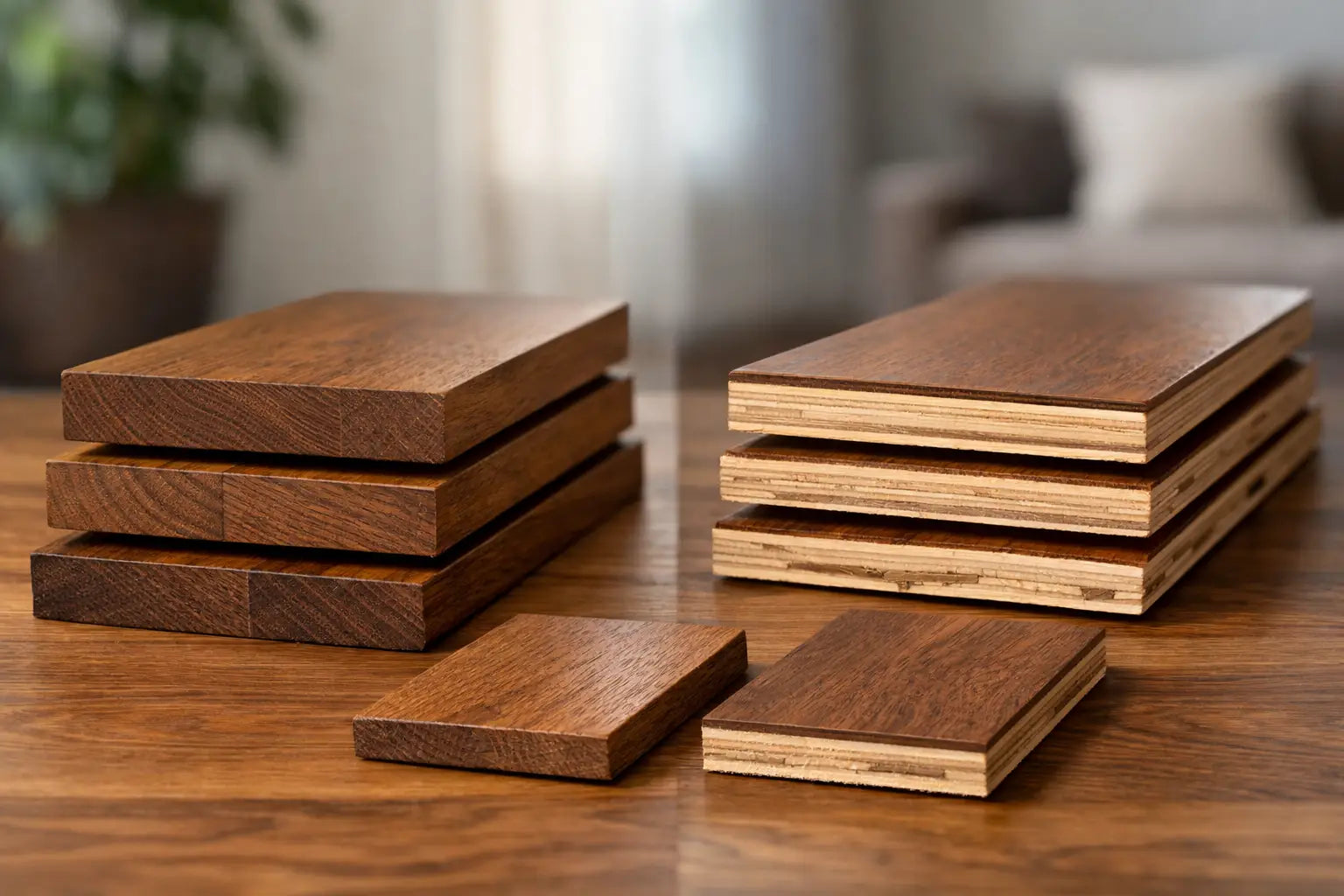
Species, plank width, stain color, and finish all affect performance. Lighter wear patterns may show less on some natural looks, while darker finishes can deliver a dramatic appearance but reveal dust and scratches more easily. This is where product guidance matters. A floor should match how the space operates, not just how the sample board looks under bright lights.
Luxury vinyl and laminate for practical performance
Luxury vinyl and laminate have become strong commercial contenders because they solve problems hardwood cannot always solve alone. They offer attractive finishes, dependable wear performance, and easier maintenance in many high-traffic settings.
Luxury vinyl is especially useful where moisture resistance matters. Entry areas, break rooms, light retail, and certain healthcare or service businesses often benefit from a product that can handle spills and routine cleaning with less concern. Many modern luxury vinyl options also deliver a look that feels much more refined than older resilient flooring products.
Laminate can be a solid option when scratch resistance and budget control are top priorities. In the right setting, it gives commercial clients a clean, durable surface with strong visual appeal. The trade-off is that not every laminate product handles moisture the same way, so location and use pattern still matter.
For many business owners, these products hit the sweet spot between appearance, affordability, and day-to-day practicality. They are often the best answer when a client wants the look of wood with less maintenance pressure.
Matching the floor to the business type
One of the most common mistakes in commercial flooring is choosing by style first and usage second. A floor should support the way the business runs.
Office spaces often benefit from surfaces that feel clean, professional, and quiet underfoot. Retail spaces usually need stronger wear resistance, especially near entrances and checkout areas. Restaurants and food-adjacent businesses need to think more carefully about moisture, cleaning routines, and slip considerations. Property managers may have to balance appearance with turn speed, repairability, and consistency across multiple units or common spaces.
That is why consultation matters so much. A family-owned company that takes time to understand the space can often prevent costly missteps before installation even begins. The best flooring decisions come from asking practical questions early: How many people use the space each day? What kind of cleaning is routine? Are rolling carts involved? Is moisture part of the environment? Is the goal premium design, low maintenance, or a balance of both?
Installation speed matters more than most buyers expect
Commercial flooring is not just a material decision. It is a scheduling decision. Every extra day of disruption can affect staff, tenants, customers, or revenue.
A good commercial flooring plan accounts for product lead times, site prep, transitions between spaces, and realistic installation windows. It also considers what happens before the installers arrive. If the subfloor is uneven or moisture issues are ignored, delays usually follow. Fast turnaround only works when the groundwork is done correctly.
This is one reason many local business owners prefer working with a flooring company that offers hands-on guidance from estimate to completion. Clear expectations, honest timelines, and product recommendations based on actual job conditions go a long way in keeping a project on track.
Why restoration can be the better investment
Not every commercial floor needs to be replaced. In some cases, restoration makes more financial and practical sense.
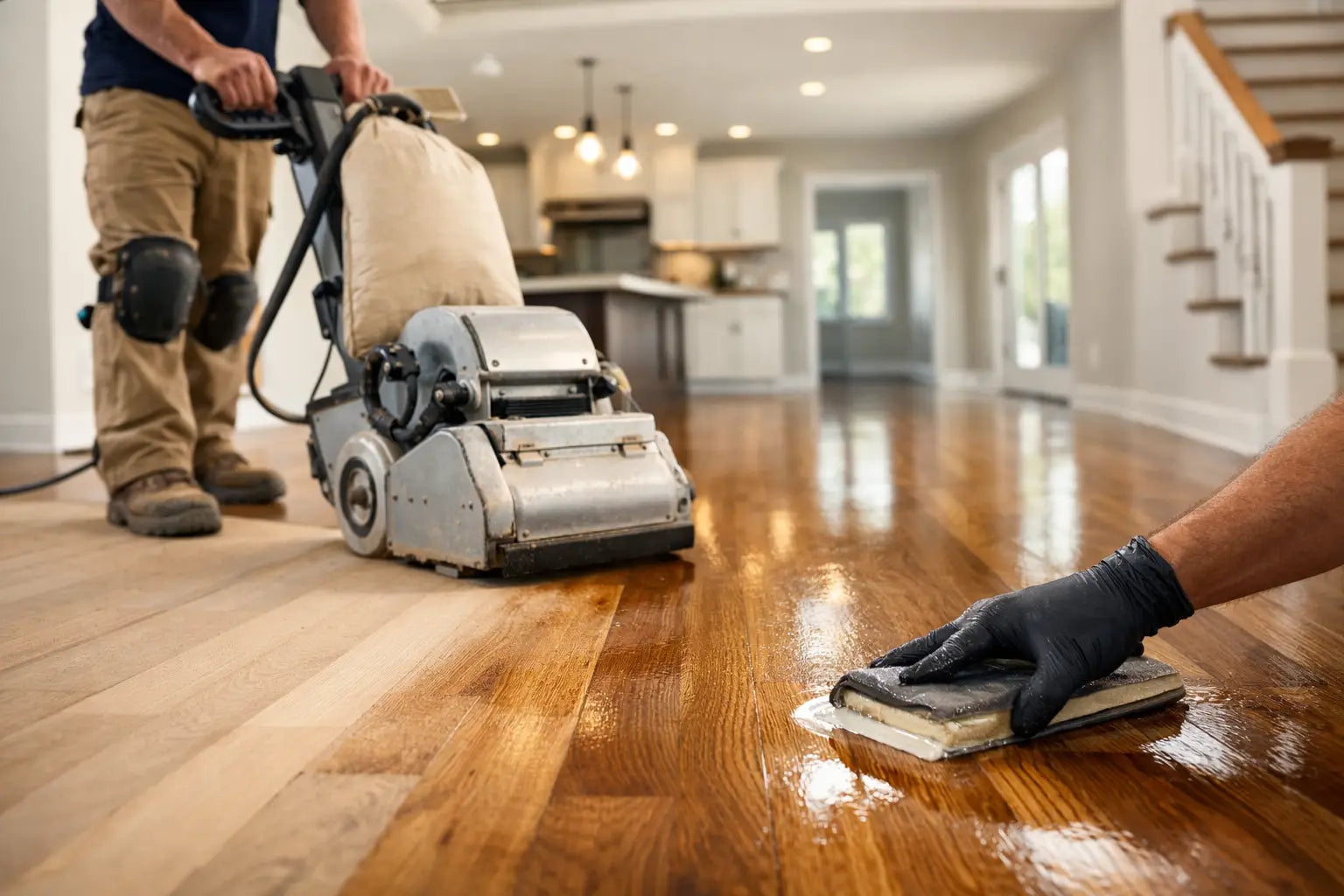
If a hardwood floor has surface wear but remains structurally sound, refinishing may restore its appearance at a lower cost than full replacement. That can be especially helpful in older offices, storefronts, or buildings with quality existing wood floors hidden under years of wear.
Restoration is not always the answer. Deep water damage, major movement, or severe structural issues may push the project toward replacement. Still, it is worth evaluating before assuming a full tear-out is necessary. A trusted flooring professional should be able to explain that trade-off clearly instead of steering every client toward the biggest possible job.
What to expect from a better flooring process
Commercial clients usually want the same things homeowners want, just with tighter timelines and higher performance demands. They want straightforward pricing, clear communication, dependable workmanship, and confidence that the recommendation fits the space.
That process should start with a real conversation, not a generic sales pitch. Product samples, site-specific guidance, and a free estimate help decision-makers compare options with less guesswork. For some businesses, affordable luxury means choosing hardwood for the public-facing area and luxury vinyl for back-of-house spaces. For others, it means selecting one durable material throughout to simplify maintenance and future repairs.
The best providers understand that commercial flooring is part design decision, part operational decision. They help clients think through both.
Choosing a commercial flooring partner in Kansas City
When comparing contractors, business owners should look beyond product selection alone. Experience with installation, restoration knowledge, scheduling discipline, and local accountability all matter. So does a willingness to explain why one material fits better than another.
In a market like Kansas City, weather, traffic patterns, and building types all shape flooring performance. A local team that has worked across offices, retail spaces, and commercial properties can often spot concerns that are easy to miss on paper. That kind of practical guidance matters just as much as craftsmanship.
FC Hardwood Floors approaches commercial work with that same mindset: listen first, recommend carefully, install with care, and keep the process clear from start to finish. For business owners trying to balance appearance, durability, and budget, that kind of support can make the decision a lot easier.
A commercial floor should earn its keep every day. If you choose with real usage in mind, not just first impressions, you will end up with a space that works better for your business and looks better doing it.

Leave a comment
This site is protected by hCaptcha and the hCaptcha Privacy Policy and Terms of Service apply.