
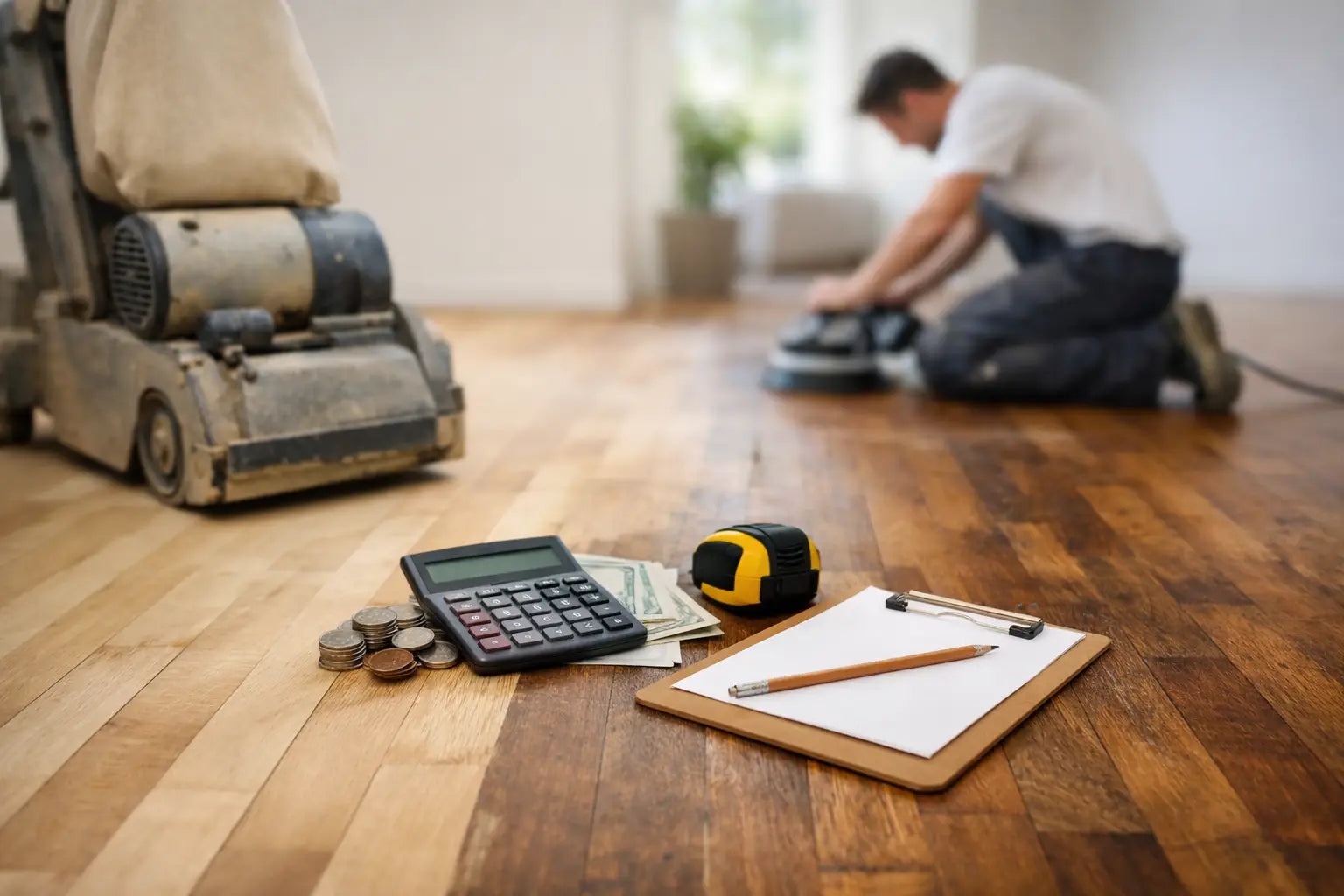
Hardwood Floor Restoration Cost Explained
If your floors have lost their shine, picked up deep scratches, or started showing wear in high-traffic areas, the first question is usually simple: what is the hardwood floor restoration cost? The honest answer is that it depends on the condition of the floor, how much work it needs, and what result you want when the project is finished. A light refresh costs far less than a full restoration, and in some cases, replacement is not the better value people assume it is.
For many homeowners and property managers, restoration makes sense because it improves appearance, extends the life of the floor, and avoids the expense of starting over. Still, pricing can vary enough that it helps to understand what drives the final number before you request estimates.
What affects hardwood floor restoration cost?
Square footage is the biggest factor, but it is not the only one. A larger area naturally requires more labor, more sanding time, and more finish material. That said, the condition of the floor often matters just as much as the room size.
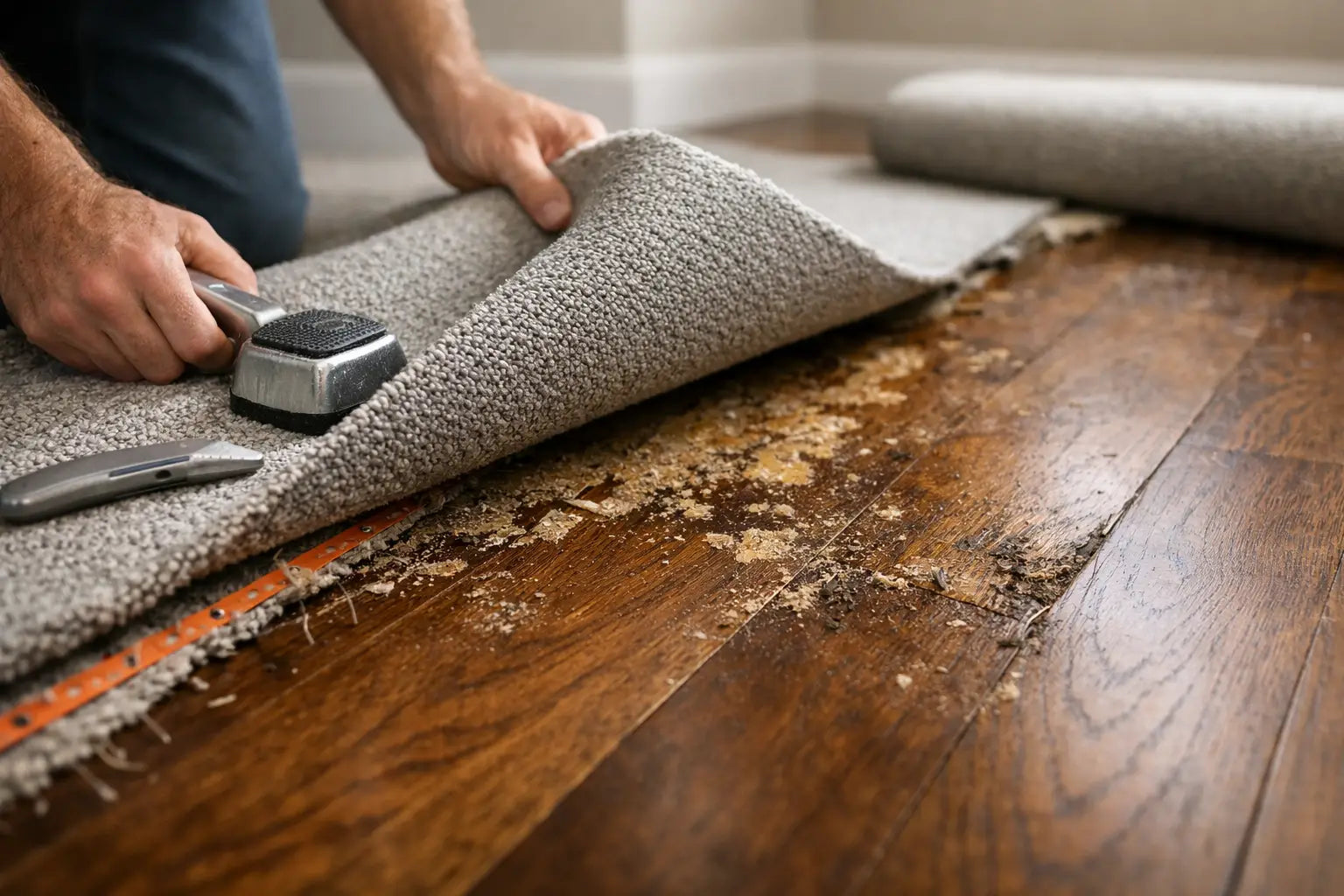
Floors with surface wear and minor scratches are usually more straightforward to restore. Floors with deep gouges, water stains, pet damage, movement between boards, or old finish buildup can require extra prep and repair work before refinishing even begins. That additional labor affects price quickly.
Wood species also plays a role. Some hardwoods sand and stain more predictably than others. Older floors can bring surprises too, especially if they have been refinished multiple times or contain thin wear layers. If the floor cannot handle another full sanding, the restoration approach may need to change.
The finish you choose matters as well. A basic finish system may cost less upfront, while higher-performance finishes can add to the project total but offer better durability, faster cure times, or lower odor. For busy households and commercial spaces, that trade-off can be worth it.
Typical price ranges to expect
In general, hardwood floor restoration cost is often priced per square foot, with repairs, staining, and specialty finishes added as needed. A basic sanding and refinishing project on a floor in decent condition will usually fall on the lower end of the range. If the floor needs board replacement, subfloor attention, custom stain work, or extensive detail sanding along edges and stairs, the cost rises.
For many projects, homeowners can expect a rough range of about $3 to $8 per square foot for standard restoration work. Heavier repairs or more customized finishing can push pricing higher. These numbers are helpful for planning, but they are still broad estimates, not final quotes.
A 500-square-foot project may look affordable on paper, but if those floors have water damage near exterior doors or patched areas from previous renovations, the estimate may land above the average range. On the other hand, a well-maintained floor with mostly cosmetic wear may restore beautifully without major added cost.
That is why free on-site estimates matter. A reputable flooring professional should look at the actual floor, test the condition where needed, and explain what is driving the price.
Restoration vs. refinishing vs. replacement
People often use these terms interchangeably, but they are not always the same thing. Refinishing usually refers to sanding the floor down and applying a new stain or protective finish. Restoration is a broader term. It can include refinishing, but it may also involve repairs, board replacement, color correction, gap work, or addressing years of wear and damage.
Replacement is a different category entirely. It becomes the better option when the floor has severe structural damage, repeated water exposure, extensive movement, or too little material left to sand safely.
From a cost perspective, restoration is often the middle path. It usually costs more than a light buff and recoat, but less than tearing out the old floor and installing new hardwood. It also preserves the character of an existing floor, which many homeowners prefer, especially in older homes.
When a lower price is not the better value
It is tempting to shop only by square-foot pricing, but floor restoration is one of those services where the lowest bid can cost more later. If sanding is rushed, stain is applied unevenly, or the wrong finish is used for the space, the floor may not wear well or look consistent once the job is done.
Good restoration work takes skill, equipment, and prep. Corners and edges need attention. Repairs should blend with the surrounding wood. The finish needs to cure properly. A dependable contractor should also explain what level of improvement is realistic. Not every damaged floor can be made to look brand new, and honest expectations are part of quality service.
That matters even more in active homes with pets, kids, or heavy foot traffic. It also matters in commercial settings, where downtime, durability, and appearance all affect business operations.
Common add-ons that change the final price
Some costs are easy to overlook when you first budget for the project. Furniture moving may be separate. Stair refinishing is often priced differently than open floor areas because of the extra detail work involved. Trim removal and reinstallation, custom stain matching, and isolated plank replacement may all appear as line items.
There can also be practical access considerations. If the space is occupied, the crew may need to phase the work to minimize disruption. If the building has tight access, multiple levels, or scheduling restrictions, labor time may increase.
Moisture issues are another important example. If a floor has dark staining from pet accidents or water intrusion, restoration may require deeper sanding or localized replacement. If the source of the moisture is still present, the floor should not simply be refinished and hoped for the best. Fixing the cause comes first.
Is restoration worth it for older floors?
Often, yes. Older solid hardwood floors are frequently excellent candidates for restoration because they were built to last and can handle multiple rounds of refinishing over time. Even floors that look tired can have years of life left.
The key question is not the floor's age by itself. It is the floor's remaining thickness, structural stability, and damage level. A professional evaluation can determine whether restoration is the smart investment or whether replacement will save money and frustration in the long run.
For homes in established neighborhoods around Kansas City, restoring original hardwood can also support resale appeal. Buyers tend to notice well-maintained wood floors, and refreshed flooring can change the feel of the entire house without the cost of a full flooring replacement project.
How to budget realistically
A helpful way to think about hardwood floor restoration cost is to separate must-have work from optional upgrades. The must-have portion covers what is needed to restore the floor properly and protect its performance. Optional upgrades might include a stain color change, higher-end finish systems, or added areas such as stairs, landings, or adjacent rooms.
If you are comparing estimates, make sure you are comparing the same scope. One quote may include repairs and premium finish coats while another only covers basic sanding and a standard topcoat. A lower total is not always a lower price for the same service.
It is also smart to ask about timeline, cure time, dust control practices, and what level of prep is expected from you before work starts. Clear communication upfront helps avoid surprise costs and keeps the project moving.
At FC Hardwood Floors, that consultative approach matters because flooring decisions are rarely just about price. They are about how your home or property needs to function, how long you want the result to last, and what level of investment makes sense for your space.
Signs it is time to get an estimate
If your floor has widespread scratches, dull traffic patterns, finish wear down to bare wood, discoloration, or isolated damaged boards, it is probably time to have it evaluated. Waiting too long can increase the scope of work. Once protective finish wears away, the wood itself becomes more vulnerable to staining, moisture, and deeper damage.
An estimate gives you more than a number. It gives you a clear picture of what your floor needs now, what can wait, and whether restoration is the right path. That kind of clarity makes it easier to plan confidently instead of guessing based on online price ranges.
The right floor restoration project should leave you with more than a better-looking surface. It should give you a floor that fits your budget, holds up to real life, and makes your space feel cared for again.

Leave a comment
This site is protected by hCaptcha and the hCaptcha Privacy Policy and Terms of Service apply.