
Article: Hardwood Installation Cost Breakdown Explained
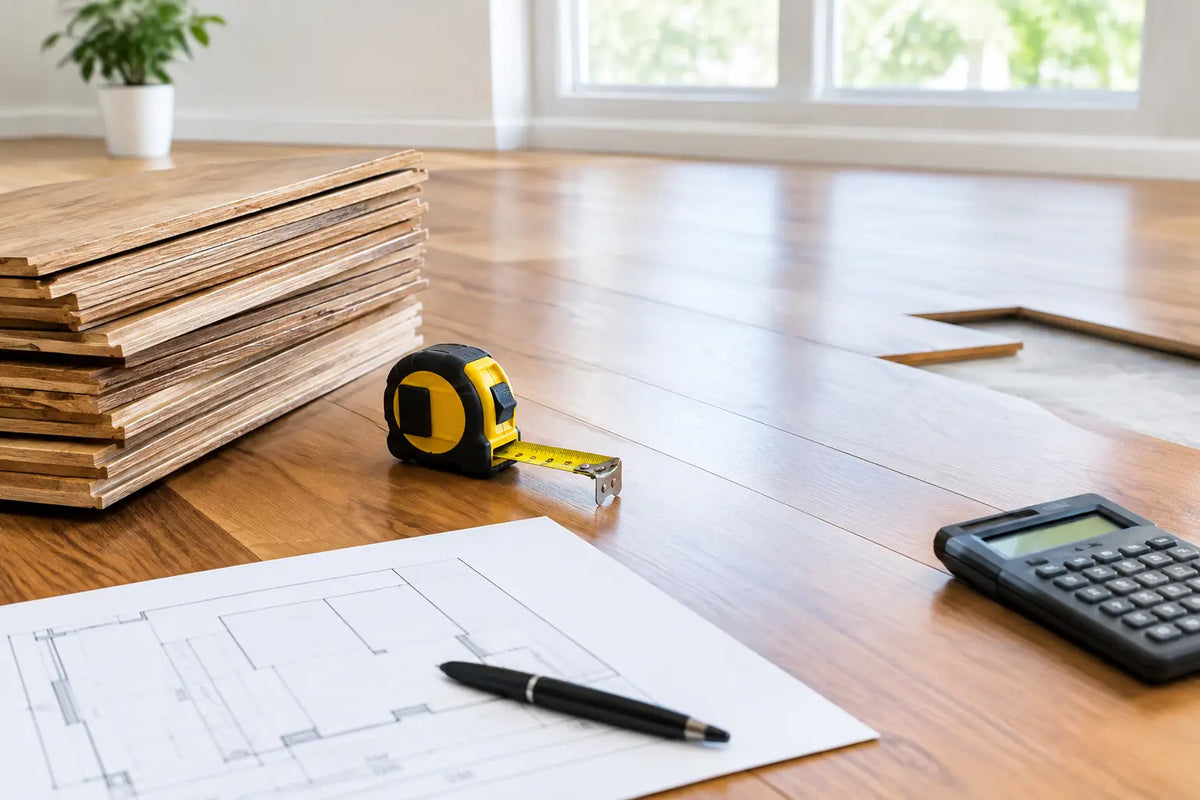
Hardwood Installation Cost Breakdown Explained
A hardwood floor can be the detail that makes a remodeled kitchen feel finished or gives an older home its character back. But the price on a flooring sample is only one part of the investment. This hardwood installation cost breakdown explains where your budget goes, which choices change the final number, and how to compare estimates with confidence.
For homeowners in the Kansas City area, a clear estimate matters as much as a beautiful species or stain color. The right plan balances the look you want with the subfloor conditions, room layout, timeline, and level of craftsmanship needed to create a floor that performs for years.
Hardwood Installation Cost Breakdown by Category
A complete hardwood project generally includes material, labor, site preparation, finishing details, and removal or disposal when existing flooring is being replaced. Some projects are straightforward. Others need moisture protection, leveling, repairs, or custom work before the first board can be installed. That is why pricing is best viewed as a range rather than one flat per-square-foot number.
Hardwood materials
Material is often the largest visible portion of the budget. Solid hardwood typically costs more than engineered hardwood, although pricing varies widely based on species, board width, grade, finish, and availability.
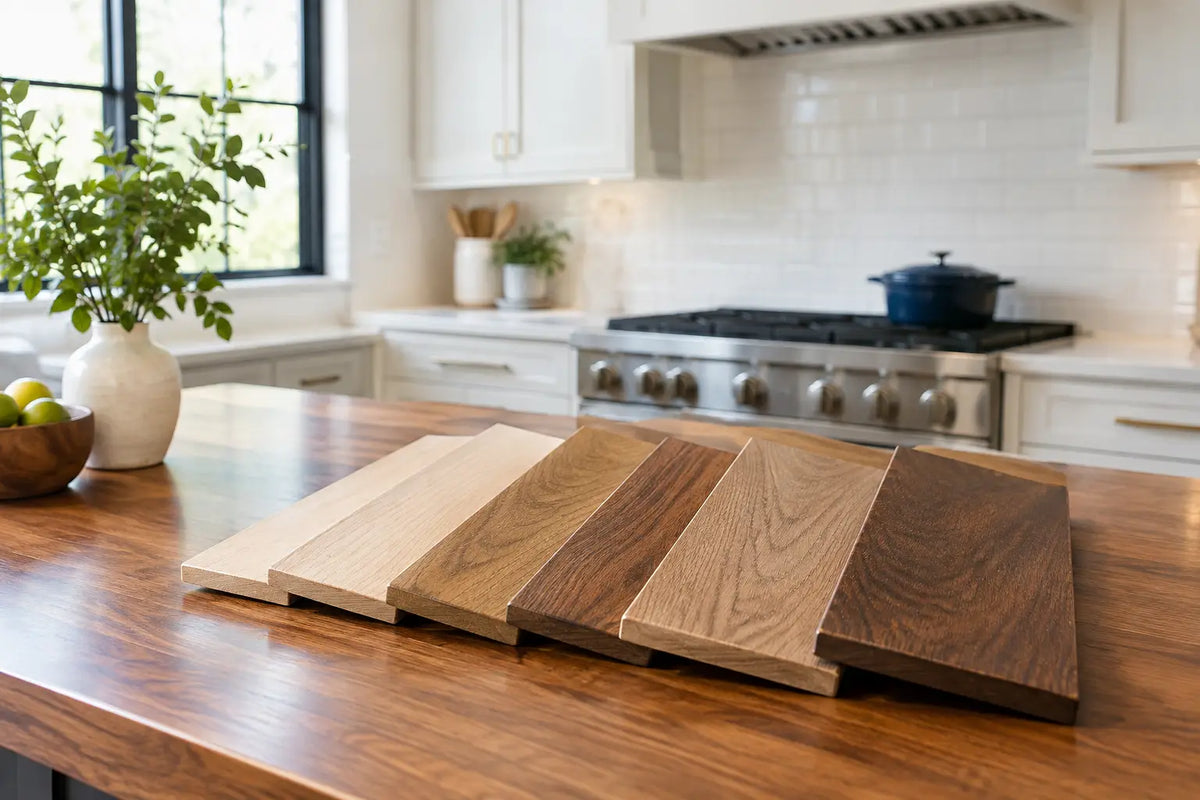
Common domestic species such as red oak and white oak are popular because they offer lasting value, versatile color options, and strong performance. Maple and hickory can bring a cleaner or more distinctive look, while walnut and other premium species usually increase the material cost. Wider planks, longer boards, select-grade material with fewer natural markings, and specialty textures can also raise the price.
Engineered hardwood can be an excellent value in spaces where solid wood may be less practical. It has a real wood wear layer over a layered core, which helps it handle changing humidity conditions well. It is often a smart option for concrete slab homes, lower-level spaces, and rooms where installation height is a concern. However, not all engineered products are equal. The thickness of the wear layer and quality of the core affect both longevity and price.
When reviewing material costs, ask whether the estimate includes a waste allowance. Installers order extra material to account for cuts, board selection, and pattern changes. A basic rectangular room may need less extra flooring than a home with angled walls, closets, stair landings, or several doorways.
Professional installation labor
Labor reflects far more than placing boards across a room. Experienced installers measure the space, assess the subfloor, plan the board layout, manage transitions, make precise cuts, and install each course so the floor looks intentional from every doorway.
Installation pricing can differ based on the method required. Nail-down installation is common for solid hardwood over a suitable wood subfloor. Glue-down installation is frequently used for engineered flooring, especially over concrete. Floating installations may work for some engineered products, but they are not the answer for every product or room. Each method has different preparation requirements and material needs.
Room complexity has a direct effect on labor. An open living room is faster to install than a room with a fireplace hearth, built-in cabinets, multiple closets, radiators, or curved edges. Stair work, custom borders, herringbone patterns, and inlays require additional skill and time, but they can create a truly custom result.
Subfloor preparation and moisture protection
The condition beneath the flooring has a major impact on the finished floor above it. A subfloor that is uneven, damaged, noisy, or too moist can lead to gaps, movement, squeaks, or premature wear. Proper preparation is not an upgrade to skip just to reach a lower initial price.
Preparation may include removing old adhesive, repairing damaged areas, securing loose subfloor panels, leveling low spots, or installing an approved underlayment or moisture barrier. Concrete slabs may need moisture testing before an engineered hardwood installation is approved. If readings are outside the flooring manufacturer's specifications, the solution may involve a moisture-control system or a different product recommendation.
These needs cannot always be confirmed from photos alone. A detailed on-site evaluation helps prevent surprises and gives you a more dependable estimate.
Removal, disposal, and trim work
If old carpet, vinyl, laminate, tile, or existing wood flooring must come out, removal and disposal should appear clearly on the estimate. The cost depends on the material, how it was installed, and whether it leaves behind staples, adhesive, mortar, or damaged subflooring.
Finishing details deserve the same attention. Baseboards may need to be removed and reinstalled, or shoe molding may be added to cover the expansion space around the perimeter. Door jambs may need to be undercut so flooring fits neatly beneath them. Transitions between hardwood and tile, carpet, or luxury vinyl should be selected for both appearance and safe movement between rooms.
What Changes the Price of Hardwood Installation?
Square footage matters, but it is not the only factor. A smaller project can carry a higher cost per square foot because setup, delivery, equipment, and skilled labor are still required. Larger projects may offer better efficiency, although they also use more material and may involve furniture moving or phased installation.
The home itself can affect cost. Older homes sometimes have uneven floors or hidden subfloor damage. Multi-level homes may require more time for moving materials. Occupied homes require careful protection of nearby surfaces and a work plan that keeps daily life as manageable as possible. Commercial projects may need scheduling around business hours, access restrictions, or a faster completion window.
Prefinished and site-finished hardwood also budget differently. Prefinished boards arrive with factory-applied color and finish, which can shorten installation time and reduce dust inside the home. Site-finished hardwood allows greater flexibility in stain color, sheen, custom borders, and a smooth floor-wide finish. It takes more time because the floor must be sanded, stained if desired, and sealed after installation. Neither is automatically better. The right choice depends on the look, schedule, and level of customization you want.
How to Read a Hardwood Flooring Estimate
A trustworthy estimate should help you understand the scope of work, not leave you guessing what may be added later. Before choosing a contractor, make sure you can identify the product, square footage, installation method, preparation assumptions, and finishing details.
Ask whether the quote includes the flooring material, delivery, underlayment or adhesive, moisture barrier, removal of old flooring, disposal, trim, transitions, furniture moving, and taxes. It is also helpful to ask what happens if the subfloor needs repair after existing flooring is removed. A professional should explain the possibility clearly rather than hiding it in vague language.
It is reasonable to compare more than one estimate, but compare the scope before comparing the total. A lower price may exclude preparation, use a different product quality, or leave out trim and transition work. A complete proposal makes it easier to understand the real project cost and protect the quality of the installation.
Planning a Budget That Works for Your Home
Start by deciding what matters most: a particular wood species, wide-plank style, custom stain, fast timeline, or the lowest upfront cost. Knowing your priorities helps an installer recommend options that fit rather than pushing a product that does not.
Set aside a contingency amount for conditions that may only become visible during removal, particularly in older homes or areas with prior water damage. This does not mean your project will have a surprise cost. It means you have a practical plan if the subfloor needs attention before new hardwood goes down.
You can also manage the investment by phasing rooms, choosing a high-value domestic species, or using engineered hardwood where it makes sense. The goal is not simply to reduce the invoice. It is to choose materials and installation methods that give your home the comfort, appearance, and durability you expect.
At FC Hardwood Floors, the process starts with listening to how you use your space, then helping you compare materials and installation options with a clear scope of work. A free estimate and samples can turn broad price ranges into practical decisions for your rooms, your schedule, and your budget.
The best hardwood floor is not necessarily the most expensive one. It is the one installed on a properly prepared surface, selected for the demands of your home, and finished with the care that lets your investment feel at home from the first step across it.

Leave a comment
This site is protected by hCaptcha and the hCaptcha Privacy Policy and Terms of Service apply.