
Best Hardwood Species Kitchens Can Handle
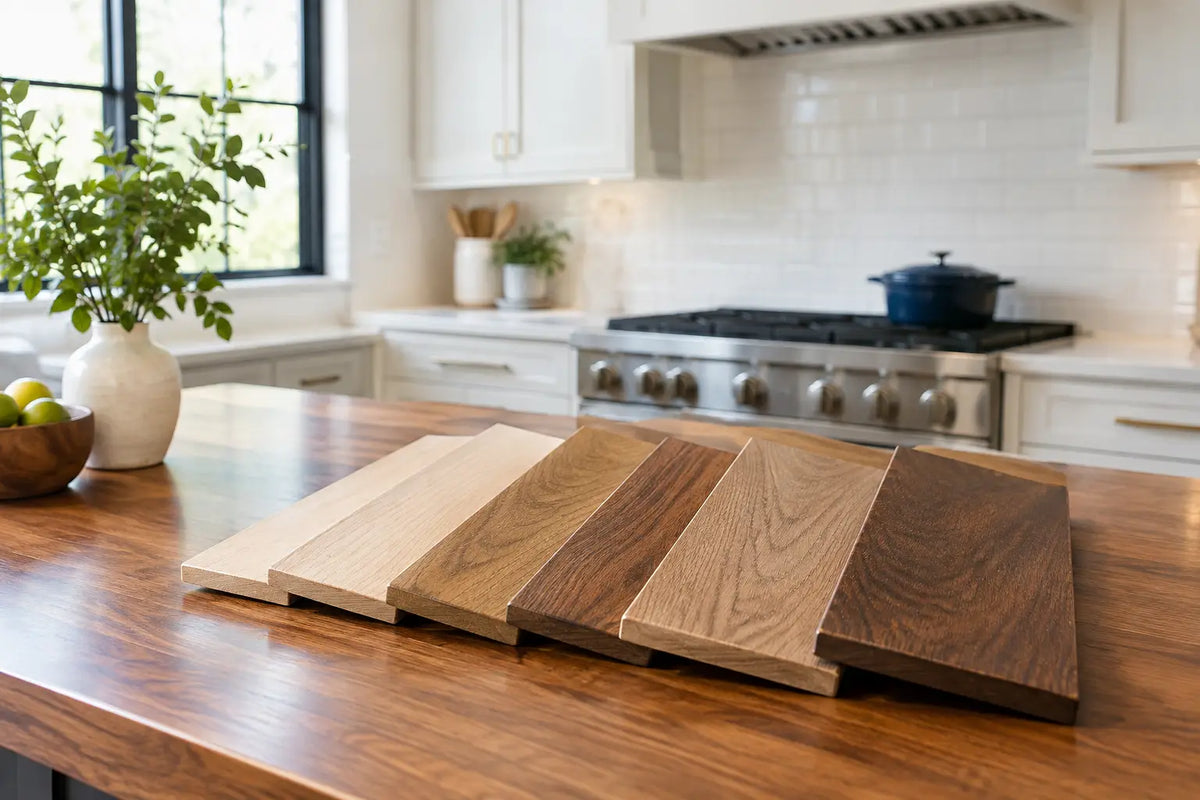
A kitchen floor sees more than its share of real life: wet shoes by the back door, a dropped pan during dinner, dog nails racing toward the food bowl, and chairs moving in and out several times a day. When homeowners ask about the best hardwood species kitchens can handle, the answer is not simply the hardest wood on the chart. The right choice balances hardness, grain pattern, color, finish, maintenance expectations, and the character you want your home to have.
Hardwood can be a beautiful, practical kitchen floor when it is selected and installed with care. It brings warmth that tile cannot always match, connects an open kitchen to nearby living areas, and can be refinished years down the road. The key is choosing a species that works with how your household actually lives.
What Makes a Hardwood Species Kitchen-Friendly?
Kitchen flooring needs to manage two challenges at once: impact and moisture. Wood species with higher hardness ratings generally resist dents from dropped utensils, high heels, and active family traffic better than softer woods. But hardness is only one part of the decision.
A pronounced grain can be just as helpful as a high hardness rating. Natural variation, knots, and texture make small scratches and everyday wear less noticeable than they would be on a smooth, uniform floor. A quality finish also matters. A durable site-applied finish or factory finish creates a protective layer, but it is not a license to leave water standing on the floor.
Board construction and installation are equally important. In kitchens, engineered hardwood is often worth considering because its layered construction offers added dimensional stability when indoor humidity changes. Solid hardwood remains an excellent choice in the right home, especially when it is properly acclimated and professionally installed. Your subfloor, existing floor height, kitchen layout, and whether the space opens into other rooms all influence the best solution.
The Best Hardwood Species for Kitchens
White Oak: The Dependable All-Around Choice
White oak is one of the strongest choices for a hardworking kitchen. It has a Janka hardness rating of about 1,360, putting it ahead of red oak and many other familiar domestic species. More importantly, its grain is naturally dense and its appearance works with a wide range of design styles, from traditional homes to clean-lined contemporary kitchens.
White oak takes stain well, including popular natural, warm neutral, and medium-brown tones. It can also be wire-brushed or finished with a low-sheen look that helps disguise the small marks of daily life. Its closed grain gives it slightly better moisture resistance than red oak, though it still needs prompt cleanup after spills.
For many Kansas City-area homeowners, white oak offers the ideal balance of durability, timeless style, and refinishing potential. It is a premium material, but it is often a smart long-term value because it does not feel tied to one short-lived trend.
Red Oak: Classic, Warm, and Forgiving
Red oak has been a staple in American homes for generations. At roughly 1,290 on the Janka scale, it is durable enough for most kitchens, especially when paired with a quality finish and realistic care habits. Its open, expressive grain gives the floor visual movement, which can make minor dents and scratches less obvious.
The trade-off is that red oak has warmer undertones and a more visible grain pattern than white oak. That is a strength in a traditional, transitional, or rustic kitchen, but it may not fit every modern palette. It is also a little more porous, so wiping up splashes and spills promptly is essential.
Red oak is a practical option when you want genuine hardwood with proven performance and a more approachable price point than some harder or imported species. It is especially effective when matching existing red oak flooring in connected rooms.
Hard Maple: Clean-Lined and Exceptionally Tough
Hard maple is among the toughest common domestic hardwoods, with a Janka rating around 1,450. Its smooth, subtle grain gives it a clean, refined appearance, making it a natural fit for contemporary kitchens, light finishes, and minimalist cabinetry.
Its density helps it stand up to dents, but maple is not automatically the lowest-maintenance kitchen floor. Because the grain is so uniform, scratches and dents can be more noticeable than they are on heavily grained oak. Maple can also be difficult to stain evenly, so it is often at its best with a clear or lightly tinted finish that celebrates its natural color.
Choose hard maple when you like a sleek, consistent look and want excellent impact resistance. If your household includes large dogs, young children, or frequent entertaining, a matte finish can help keep the floor looking calmer between cleanings.
Hickory: Built for Busy Households
Hickory is one of the hardest domestic flooring species available, typically rating around 1,820 on the Janka scale. It has dramatic color variation and bold grain, with boards ranging from creamy blond to deep brown. That variation is not for everyone, but it is extremely forgiving in an active kitchen.
The strength of hickory is obvious: it resists dents well and naturally disguises everyday wear. The consideration is visual. In a small kitchen, hickory’s strong movement can compete with a patterned backsplash, busy countertop, or heavily veined stone. It tends to look best when the rest of the room has enough quiet surfaces to let the floor do its job.
For families who want a floor that feels warm, authentic, and ready for real life, hickory is hard to beat. It also suits farmhouse, rustic, and craftsman-inspired homes beautifully.
Walnut: Rich Character With a Softer Side
Walnut brings depth, richness, and unmistakable luxury to a kitchen. Its chocolate-brown color and elegant grain work especially well with light cabinets, brass hardware, and classic architectural details. It is a showpiece species, but it is softer than oak, maple, and hickory, with a Janka rating around 1,010.
That does not mean walnut cannot be used in a kitchen. It means homeowners should expect it to develop a lived-in patina over time. Some people love that character. Others prefer a harder species that keeps a more uniform appearance. Walnut is often best for households that prioritize visual warmth and understand that a few marks are part of the material’s story.
Brazilian Cherry and Other Exotic Woods
Exotic species such as Brazilian cherry can be exceptionally hard and visually striking. They may appeal to homeowners looking for deep color and superior dent resistance. However, these species can be more expensive, harder to source consistently, and more challenging to blend with future repairs or additions.
They can also change color noticeably with age and sunlight. Before selecting an exotic wood, view large samples in your home, not just a small showroom piece. Consider how the floor will look beside your cabinets, wall color, and the natural light coming through your windows.
Species Is Only Part of the Kitchen Flooring Decision
Even the best species needs the right finish and maintenance plan. Satin and matte finishes generally hide dust, footprints, and light surface scratches better than high-gloss floors. Wider planks can create a more open look, while narrower boards may suit a traditional home or help tie into existing flooring.
Color deserves just as much attention. Very dark floors can show crumbs, pet hair, and water spots. Very light floors can show dirt in entry areas. Mid-tone colors, natural oak looks, and floors with visible grain are often the most forgiving choices for busy kitchens.
For a home with an open floor plan, continuity matters. Carrying the same hardwood from the kitchen into the dining room or living area can make the home feel larger and more intentional. In that case, the best kitchen species may be the one that performs well while creating a cohesive transition throughout the main level.
Protecting Hardwood Floors in the Kitchen
A well-chosen hardwood floor should be cared for, not babied. Use felt pads beneath chairs and stools, especially where furniture is moved often. Place absorbent mats near the sink, dishwasher, and exterior doors, but avoid rubber-backed mats that can trap moisture or discolor the finish.
Clean up spills quickly with a soft, dry or lightly damp cloth. Sweep or vacuum regularly using a hard-floor setting, and use a hardwood-floor cleaner recommended for your finish. Avoid steam mops, soaking wet mops, and harsh cleaners. Those shortcuts can dull the finish or push moisture into the seams between boards.
If your floor eventually shows more wear than you like, hardwood has a major advantage over many alternatives: it can often be screened, recoated, or refinished rather than replaced. That repairability is part of what makes hardwood an affordable luxury over the long term.
Choose a Floor That Fits Your Home, Not Just a Hardness Chart
White oak is the most versatile choice for many kitchens, while hickory leads when dent resistance is the priority. Hard maple offers a clean, durable look, red oak delivers classic value, and walnut brings unmatched warmth for homeowners who appreciate a naturally evolving finish. The best decision depends on your design goals, budget, lifestyle, and the rooms surrounding the kitchen.
At FC Hardwood Floors, we help homeowners compare real samples, understand the trade-offs, and select a floor they can feel confident living on every day. A thoughtful consultation can turn a beautiful wood species into a kitchen floor that truly makes your house feel like home.

Leave a comment
This site is protected by hCaptcha and the hCaptcha Privacy Policy and Terms of Service apply.