
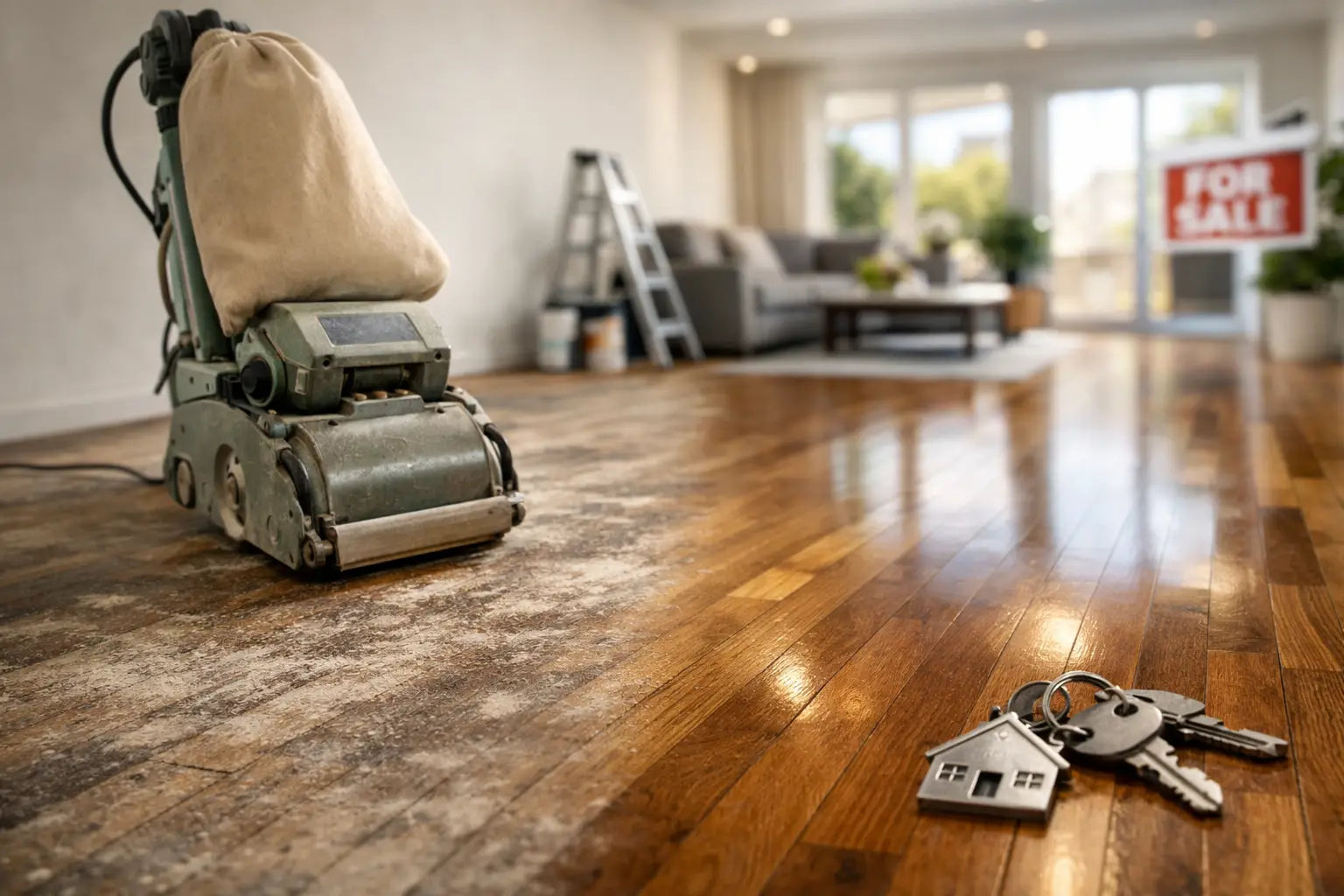
Should You Refinish Floors Before Selling?
A buyer can forgive a dated light fixture. It is much harder to overlook hardwood floors that look scratched, gray, or worn thin near the kitchen and entryway. If you are deciding whether to refinish floors before selling, the right answer depends less on a blanket return-on-investment rule and more on what buyers will see the moment they walk in.
For many Kansas City-area sellers, refinishing is one of the most effective ways to make an existing home feel well cared for without taking on a full remodel. But it is not automatically the best move for every house, every budget, or every timeline. The goal is not to create a showpiece floor that exceeds the neighborhood. It is to remove an obvious objection and help buyers focus on the home itself.
When to Refinish Floors Before Selling
Hardwood flooring carries strong buyer appeal because it is durable, timeless, and difficult to replicate with a quick cosmetic update. When the wood is fundamentally sound but the surface has lost its finish, refinishing can make an older room look cleaner, brighter, and more valuable.
Refinishing is usually worth serious consideration when floors have visible traffic paths, shallow scratches across large areas, dullness that cleaning cannot correct, faded patches near windows, or a finish color that makes the home feel dated. These issues tend to stand out in listing photos and open-house lighting. Buyers may not know the technical name for a worn finish, but they recognize when a floor looks neglected.
It can be especially valuable in homes where hardwood runs continuously from the entry through living spaces. A fresh, consistent finish creates visual flow and makes rooms feel more open. By contrast, worn floors in highly visible connected spaces can make the whole main level feel like a project, even if the rest of the house is in good condition.
There is also a practical selling advantage: buyers are often more comfortable paying for a home that feels move-in ready. They may overestimate the cost, disruption, and complexity of floor work when they see worn wood. A refinished floor can eliminate that uncertainty before it affects an offer.
Know the Difference Between a Recoat and a Full Refinish
Not every worn floor needs to be sanded down to bare wood. Choosing the right level of restoration matters because it affects cost, timing, and the final result.
A maintenance recoat is often appropriate when the existing finish is lightly scuffed or dull but still intact. The floor is professionally cleaned and prepared, then a new protective coat is applied. This can refresh the appearance and add protection with less disruption than a full sanding project.
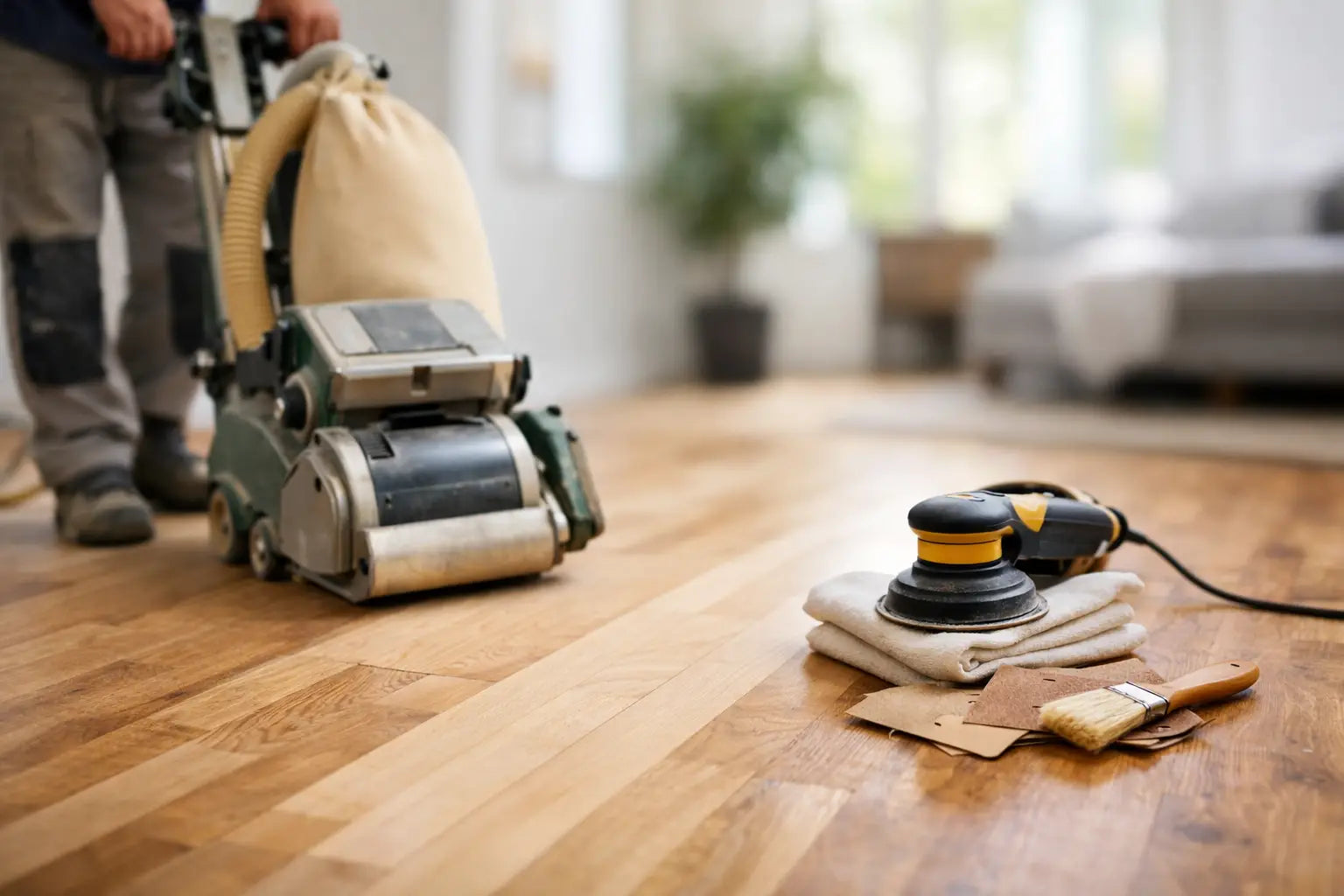
A full refinish is better suited to deeper scratches, worn-through finish, uneven coloring, stains, pet damage, or older finishes that have lost their protective layer. The existing finish is sanded away, allowing the wood to be stained if desired and sealed with a new finish system. It is a more involved process, but it can dramatically change how the home presents.
Solid hardwood can often be refinished multiple times, depending on the thickness of the wear layer and the floor's prior history. Engineered hardwood is more variable. Some engineered products have a thick enough top layer for careful refinishing, while others do not. Before committing to a listing plan, have a flooring professional assess the material rather than assuming all wood-look floors can be treated the same way.
When Refinishing May Not Be the Best Pre-Sale Investment
There are situations where refinishing is not the smartest use of your pre-sale budget. If boards are badly cupped, loose, water-damaged, or extensively patched, repairs may be needed before any finishing work begins. In that case, a targeted repair plan or replacement in a limited area may make more sense than refinishing around a structural problem.
Timing also matters. A full refinish involves sanding, finishing, drying, and curing. While professional crews work efficiently, sellers should avoid scheduling the work immediately before photography, staging, or move-out unless the timeline has been carefully planned. The floor may look finished before it is ready for rugs, furniture, or heavy foot traffic.
You may also want to skip a major color change if your local market favors quick, practical updates. Changing a very dark floor to a much lighter color, for example, can require more sanding and may reveal natural variations in the wood. A clean, neutral refresh is often the safer choice when selling, particularly if the existing color is not actively working against the home.
Finally, think about the property as a whole. If the kitchen, bathrooms, roof, or mechanical systems have more urgent issues, floor refinishing may not be the first dollar to spend. Buyers notice floors, but they also notice deferred maintenance. A balanced pre-listing plan is usually more persuasive than putting the entire budget into one upgrade.
Choosing a Finish Buyers Can Live With
Selling a home is not the time to choose a floor color solely because it is trending online. The best finish should work with the home's natural light, cabinetry, wall colors, and architectural style. It should also feel broad enough to appeal to many buyers.
Natural oak tones, soft medium browns, and low-sheen finishes remain dependable choices because they show the character of the wood without dominating the room. A satin or matte sheen is often more forgiving than high gloss, which can highlight dust, footprints, and small scratches under bright light.
If you are considering gray, very dark, or heavily whitewashed stains, look closely at the surrounding finishes. These colors can look excellent in the right home, but they can also date quickly or clash with warm cabinets and trim. A professional sample process is helpful here. Looking at samples on your actual floor, in morning and evening light, is more reliable than choosing from a small display board.
How Floor Refinishing Affects Offers and Listing Photos
Freshly restored hardwood does not guarantee a specific sale price or eliminate the need for fair market pricing. Still, it can improve the way buyers perceive condition, and condition affects confidence.
Listing photos benefit immediately from floors with an even color and consistent sheen. Light reflects more cleanly, room edges look sharper, and furniture appears intentional rather than distracting. During a showing, a smooth finish underfoot reinforces the impression that the home has been maintained.
The value is often less about adding a precise amount to the asking price and more about avoiding a discount. When buyers see floor work they believe they will need to tackle after closing, they may reduce their offer, request a credit, or choose a competing property that feels easier to move into. Restoring a floor before listing can prevent that conversation from starting.
For occupied homes, protect the result with a simple showing routine. Use felt pads under furniture, keep exterior mats clean, and ask visitors to remove wet or muddy shoes when possible. These details help the floor stay photo-ready through the first busy weeks on the market.
Plan the Project Around Your Sale Date
The best time to evaluate your flooring is before the home is fully staged and photographed. This gives you room to compare options, schedule the work, and let the finish cure properly without last-minute pressure.
Start with an in-home assessment. A flooring professional can identify the species, assess the condition of the boards, check whether prior refinishing limits the available wear layer, and explain whether a recoat, repair, or full refinish is appropriate. You should receive a clear scope of work, realistic timing, and guidance on when furniture can return to the room.
If you are selling in Olathe, Overland Park, Lenexa, Leawood, Shawnee, or Kansas City, local experience matters. Homes in the area range from historic properties with original wood to newer homes with engineered products, and the right approach is not identical for each one. A trusted local crew can help you choose a finish that supports the sale without overspending on improvements buyers will not reward.
At FC Hardwood Floors, that conversation begins with the condition of your floor and the goals for your home, not with a one-size-fits-all recommendation. The best pre-sale update is the one that helps buyers walk in, see the care behind the home, and picture their own life there.


Leave a comment
This site is protected by hCaptcha and the hCaptcha Privacy Policy and Terms of Service apply.