
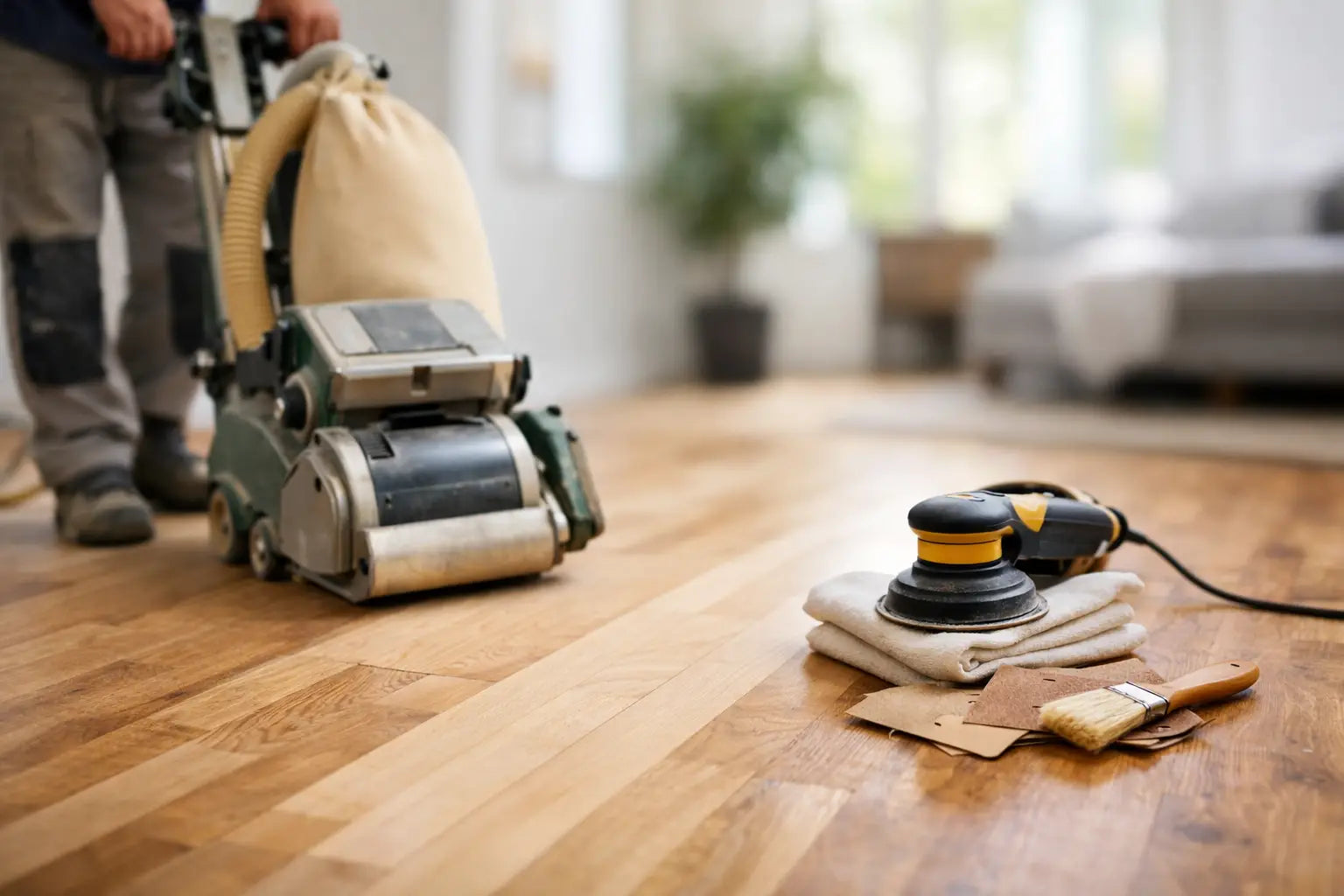
7 Wood Floor Sanding Benefits for Your Home
A hardwood floor can look tired long before it has reached the end of its useful life. Surface scratches, faded traffic paths, dull finish, and a few small dents can make an otherwise beautiful room feel neglected. The most meaningful wood floor sanding benefits come from addressing that visible wear at its source, rather than covering it with rugs or assuming the floor needs to be replaced.
For many homeowners, sanding is the step that brings original character back into view. It can also give you a fresh opportunity to choose a stain color and finish that fits the way your home looks and lives now. When the floor has enough solid wood remaining, professional refinishing is often one of the most cost-conscious ways to create a dramatic improvement.
1. Sanding Removes Years of Surface Wear
Daily life leaves a record on hardwood. Pet nails, moved furniture, dropped items, shoes near entryways, and ordinary cleaning all wear down the protective finish over time. Once that finish is thin or damaged, the wood beneath becomes more vulnerable to moisture, dirt, and deeper marks.
Floor sanding removes the worn top layer of wood and creates a fresh, even surface. A new stain and protective finish can then be applied properly. The result is more than a temporary shine: it is a renewed surface designed to handle regular use.
This is especially valuable in busy areas such as living rooms, hallways, kitchens, and commercial entry spaces. A floor does not need to be severely damaged before sanding becomes worthwhile. Taking care of wear before it turns into deeper damage can make restoration more straightforward.
2. Wood Floor Sanding Benefits Your Home’s Appearance
Hardwood has warmth and detail that can disappear under a cloudy, scratched, or yellowed finish. Sanding clears away that aged surface so the grain, color, and natural variation of the wood can show again. In many homes, it reveals just how much potential was hiding beneath years of use.
Refinishing also gives homeowners more design control. A lighter natural tone can make a room feel more open, while a medium stain may add warmth and help blend with existing trim or cabinetry. Darker colors can create a more formal look, although they tend to show dust, pet hair, and scratches more readily.
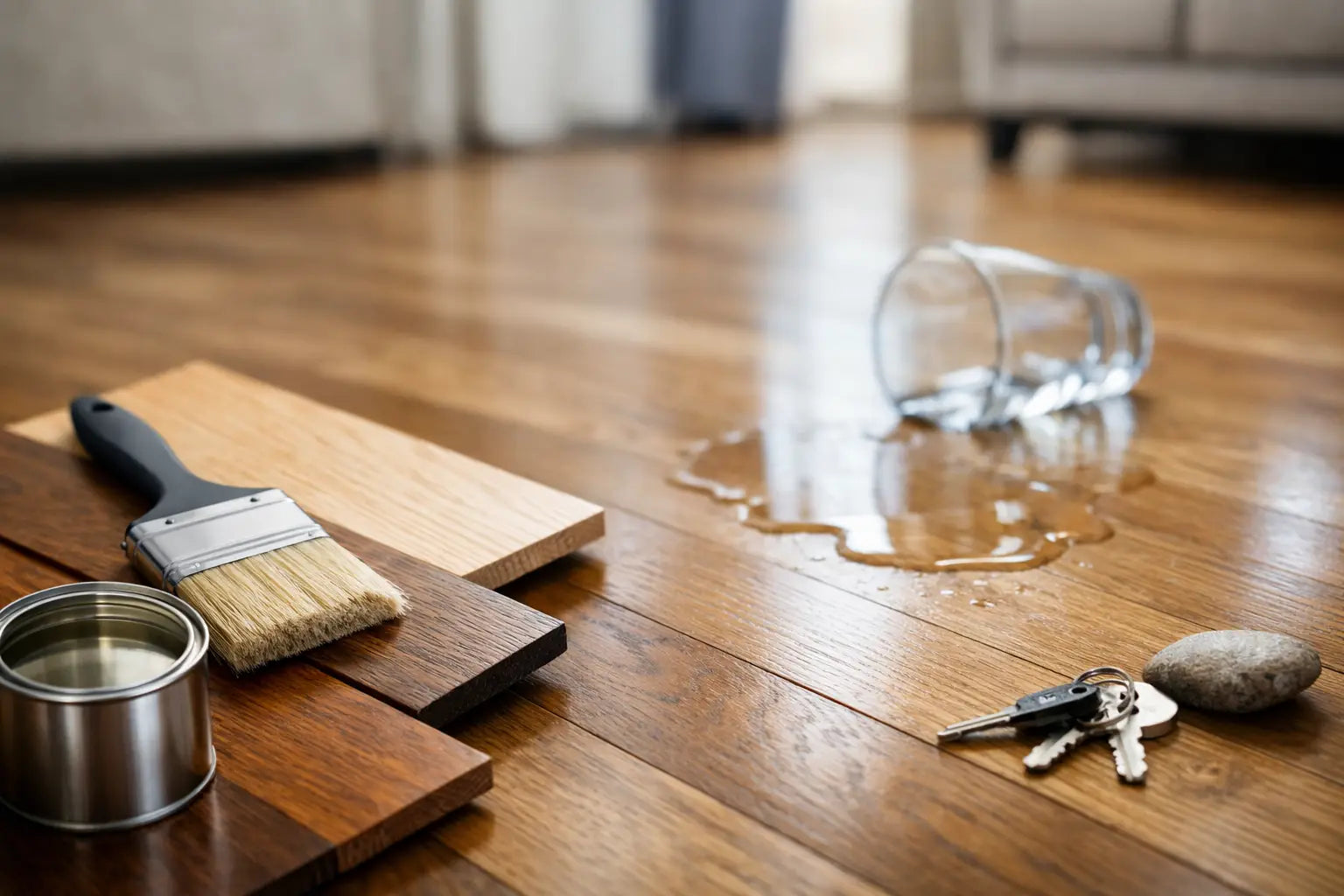
The best choice depends on the species of wood, the amount of natural light, and how the space is used. Samples and professional guidance matter here. Stain can look very different on red oak, white oak, maple, or hickory, and it can shift noticeably from one room to another.
3. Refinishing Can Extend the Life of Solid Hardwood
A solid hardwood floor is made to be renewed. Unlike many surface-only flooring products, it can often be sanded and refinished more than once during its lifetime. That makes it a durable investment for homeowners who want a floor that can adapt as styles and household needs change.
Sanding is not just about appearance. It removes minor surface damage before it becomes a larger concern and allows a new finish to protect the wood. With appropriate maintenance, a refinished hardwood floor can serve a home for many more years.
There is an important qualification: not every wood floor is a candidate for sanding. Engineered hardwood can sometimes be refinished, but it depends on the thickness of its real wood wear layer. Floors that have already been sanded several times, have significant water damage, or have loose boards may need repair work or a different solution. A professional assessment prevents unnecessary risk and helps you spend wisely.
4. It Is Often More Affordable Than Full Replacement
Replacing a floor involves more than buying new material. There may be demolition, disposal, subfloor preparation, transitions, baseboard work, installation labor, and time without access to the space. If the existing hardwood is structurally sound, sanding and refinishing can avoid many of those costs.
That does not mean restoration is always the lowest-priced option. Extensive board replacement, deep stains, uneven repairs, or difficult access can add to the project scope. Still, refinishing commonly delivers a high-impact visual change without the expense and disruption of starting over.
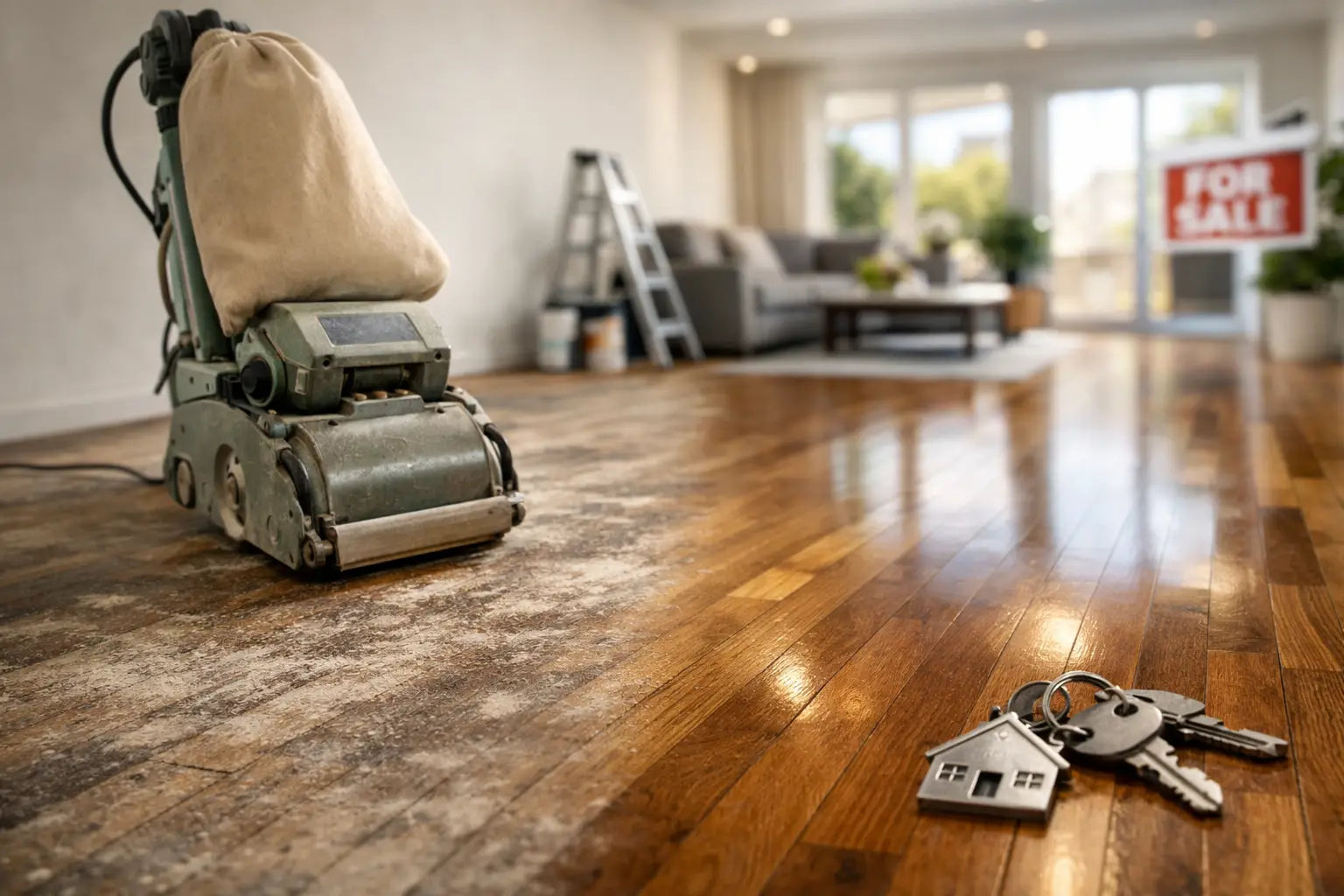
For property owners preparing to sell, this can be particularly useful. Clean, well-finished hardwood helps a home feel maintained and move-in ready. For homeowners staying put, it is a practical way to invest in the rooms they use every day without sacrificing the character already built into the home.
5. A Fresh Finish Makes Cleaning Easier
When a finish is worn down, dirt can settle into scratches and rough areas, making floors look dull even after cleaning. A properly refinished surface is smoother and easier to maintain. Regular sweeping or vacuuming with a hard-floor setting, along with a manufacturer-approved cleaner, is usually enough to keep it looking its best.
The finish you select affects long-term upkeep. Water-based finishes generally dry faster and keep a clearer, more natural appearance. Oil-based finishes can add a warmer amber tone and may be preferred for certain traditional looks. Both can perform well when the product and application are matched to the floor and household.
Finish sheen is another practical decision. High-gloss floors reflect more light but can show scratches and dust. Satin and matte finishes are popular choices for active households because they offer a softer appearance and are often more forgiving between cleanings.
6. Sanding Can Improve Consistency After Repairs
Older hardwood floors often have a story: a removed wall, a repaired water line, an old radiator, or boards replaced after damage. Those repairs may leave mismatched stain, uneven sheen, or visible transitions across the room.
Sanding the floor as a whole gives the surface a more consistent starting point. While no contractor should promise that every patch will disappear completely, especially when new wood differs in grain or age, a skilled refinishing process can help repairs blend far more naturally with surrounding boards.
This is one reason detailed preparation matters. Professional work includes evaluating damaged boards, setting protruding fasteners, filling appropriate gaps, and using the right sanding sequence before stain and finish are applied. The quality of those steps shows in the final floor.
7. Professional Sanding Protects the Details That Matter
DIY floor sanding can look like a straightforward weekend project, but the equipment is powerful and mistakes are difficult to hide. Uneven sanding, edge marks, stain blotches, and sanding too deeply can permanently affect the floor. Dust containment and finish application also make a real difference in how comfortable the process is and how long the results last.
A professional crew evaluates the wood before beginning, recommends a finish system based on your goals, and works carefully around transitions, vents, trim, and repaired areas. The goal is not simply to make the floor look new for a photograph. It is to create a durable result that feels right underfoot and fits the way your household functions.
For commercial spaces, scheduling and downtime deserve the same level of planning. Retail, office, and rental properties need clear expectations around preparation, curing time, and when normal traffic can resume. Choosing the right approach protects both the flooring and the day-to-day operation of the space.
When Sanding Is Not the Right Answer
Some floor problems need more than refinishing. Boards that are badly cupped, buckled, soft from water damage, or affected by structural movement should be inspected before sanding begins. A floor with deep pet stains may improve significantly, but stains that have penetrated far into the wood may not disappear completely.
Likewise, if you want a completely different material, such as luxury vinyl for a moisture-prone area or laminate for a budget-focused update, replacement may make better sense. The right flooring decision is not about pushing one solution. It is about choosing a surface that matches your room, budget, style, and maintenance expectations.
If your hardwood floors are worn but still have good bones, a professional evaluation can clarify what restoration can achieve. FC Hardwood Floors helps homeowners and property decision-makers make that choice with straightforward recommendations, clear estimates, and craftsmanship built around lasting results. A fresh finish may be all it takes to make the floor you already own feel like one of the best features in your home.

Leave a comment
This site is protected by hCaptcha and the hCaptcha Privacy Policy and Terms of Service apply.