When to Call Hardwood Floor Repair Services
A floor rarely fails all at once. More often, it starts with a soft spot near the sink, a few boards that lift at the edges, deep scratches in a hallway, or fading that makes one side of the room look older than the other. That is usually the point when homeowners start looking into hardwood floor repair services - not because the floor is beyond saving, but because they want to stop a small issue from turning into a larger, more expensive one.
Hardwood floors are durable, but they are not indestructible. Daily traffic, furniture movement, pet nails, moisture, sunlight, and shifting indoor humidity all leave their mark over time. The good news is that many problems can be repaired without replacing the entire floor. The better news is that the right repair can restore both appearance and performance, which matters if you want your floors to look great and last.
What hardwood floor repair services usually include
Floor repair is not one single service. It can range from targeted board replacement to sanding, patching, stain blending, or correcting structural movement under the floor. The best approach depends on what caused the damage, how far it has spread, and whether the existing floor has enough life left for restoration.
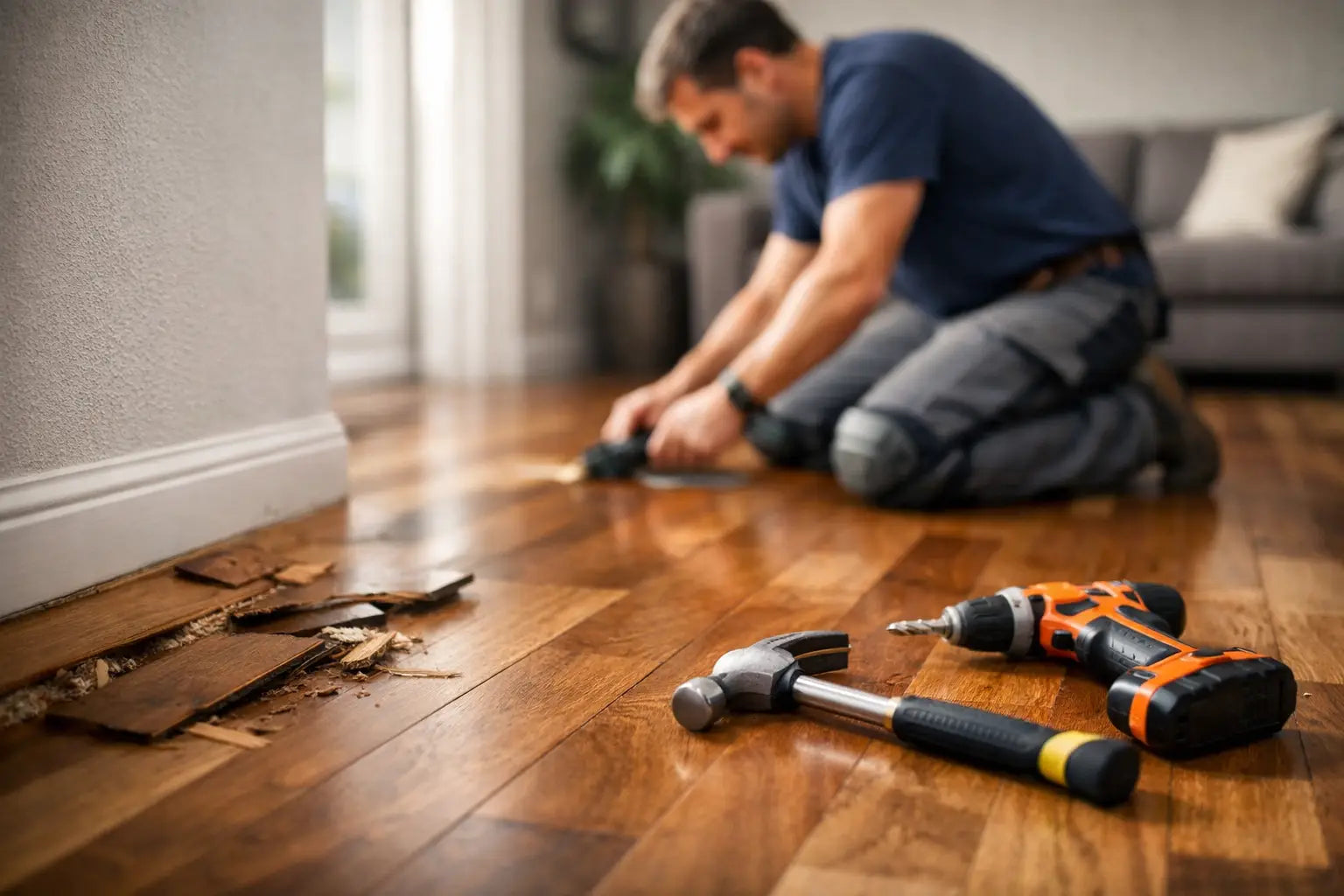
Surface-level wear is the simplest category. Light scratches, minor finish wear, and dull spots may only need buffing and recoating. Deeper gouges, chipped boards, or isolated stains often call for spot repairs or replacing individual planks. Water damage is more complicated. If moisture has caused cupping, buckling, staining, or soft wood fibers, the repair may involve removing damaged boards, drying the subfloor, and blending new material into the existing floor.
Older floors add another layer of decision-making. Solid hardwood can often be repaired and refinished multiple times, which makes it a strong candidate for restoration. Engineered hardwood depends on the thickness of the top veneer. Some engineered products can handle repairs and refinishing well, while others have less room for correction. That is why a hands-on inspection matters.
Signs you should schedule hardwood floor repair services
Some damage is obvious. A board that squeaks, sinks, or moves underfoot needs attention. So do dark water stains, lifted edges, splits, and visible gaps that keep growing with the seasons. Other signs are easier to ignore, especially when they build slowly.
If your floor feels rough in certain areas, the finish may be wearing away. Once that protective layer is gone, the wood becomes more vulnerable to stains, moisture, and deeper damage. If scratches are exposing bare wood, repair is worth considering sooner rather than later.
You should also pay attention to changes after leaks or humidity swings. A dishwasher issue, wet entryway, overflowing plant, or plumbing problem can leave damage that appears days later. Boards may start cupping, seams may open, or discoloration may spread under the finish. In those cases, waiting can make the repair more involved.
Commercial spaces often see these problems faster because foot traffic is heavier and furniture is moved more often. For business owners and property managers, quick repair is not just about looks. It also helps avoid safety issues, protects the investment in the space, and reduces the chance of larger disruption later.
Repair or replace? It depends on the floor and the damage
This is usually the biggest question, and the honest answer is that it depends. A small damaged section in an otherwise healthy hardwood floor is usually a strong repair candidate. Replacing a few boards and refinishing the area can cost far less than tearing out the whole floor.
But there are cases where replacement makes more sense. If the floor has widespread water damage, severe movement, repeated repairs, or wood that has already been sanded down too many times, patching may only delay the inevitable. Matching can also be a factor. Some older species, widths, and stain colors are difficult to blend perfectly, especially if sunlight has aged the original floor unevenly.
That does not mean repair is off the table. It simply means the recommendation should be based on condition, not guesswork. A dependable flooring contractor will explain whether a repair is a practical long-term solution or a short-term cosmetic fix. That distinction matters for budgeting and peace of mind.
What to expect from a professional repair process
A proper repair starts with diagnosing the cause, not just treating the symptom. If boards are warping because of an active moisture problem, replacing them without addressing the source will not solve much. If a floor is squeaking because of subfloor movement, cosmetic filler alone will not create a lasting repair.
During an evaluation, the contractor should look at the type of hardwood, the finish, the age of the floor, the pattern of damage, and whether the issue is isolated or widespread. Moisture readings may be necessary in areas with suspected water exposure. This step helps determine if the floor can be repaired in place or if sections need to be removed.
From there, the work may include removing damaged boards, securing loose areas, leveling transitions, filling cracks, sanding the repaired section, and blending stain and finish to match the surrounding floor. Some repairs stay localized. Others make more sense as part of a larger refinish, especially when older floors have visible wear beyond the damaged area.
The matching process is one of the most overlooked parts of floor repair. Wood species, grain pattern, board width, stain color, and sheen all affect the final result. Even with expert work, a repair may not disappear completely on day one, particularly if the original floor has aged in sunlight. What you want is a repair that looks intentional, consistent, and significantly better than the damage it replaced.
Why DIY repairs often fall short
There is a reason so many floor repairs look simple online. Short videos skip the hard parts - identifying the wood correctly, controlling dust, cutting out damaged boards cleanly, blending stain, and getting the finish level right. Small mistakes can stand out on a hardwood floor because the surface is broad, reflective, and used every day.
Store-bought fillers and touch-up products have their place, but they are limited. They may hide a nail hole or tiny scratch, yet they rarely solve deeper damage. In some cases, they make later professional repair harder because the material does not accept stain properly or interferes with the finish.
The other issue is misdiagnosis. A floor that looks scratched may actually have finish failure. A gap that seems cosmetic may point to humidity imbalance. A dark spot may be water intrusion, not dirt. Good repair work protects the floor going forward, not just for the weekend.
Choosing a contractor for hardwood floor repair services
When you hire someone to repair hardwood, you are trusting them with details that are hard to fake - craftsmanship, product knowledge, and judgment. The estimate should be clear about what is being repaired, what result is realistic, and whether there are limits to how closely the new work will match the existing floor.
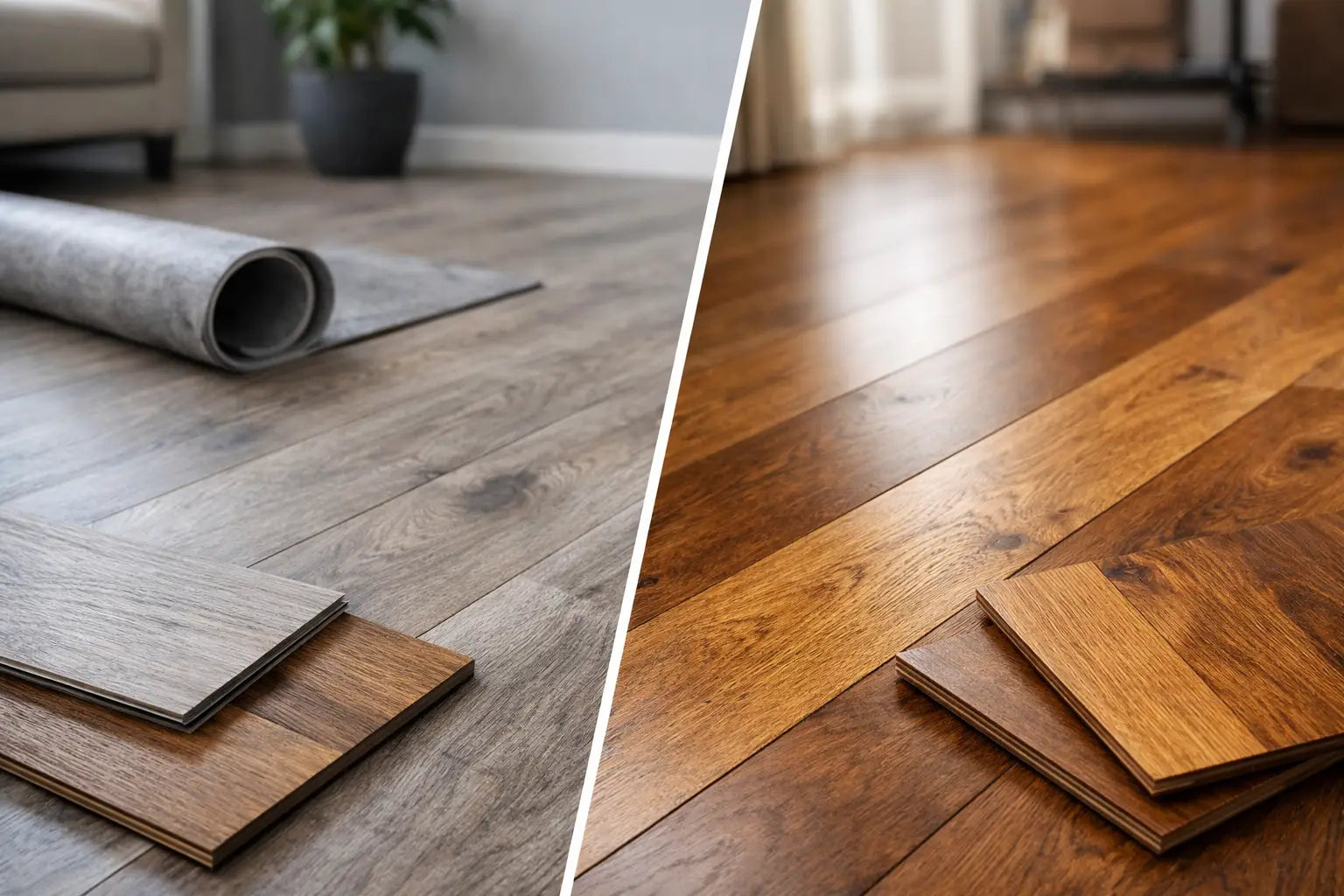
It helps to work with a company that handles both repair and full restoration, because they can recommend the right level of work instead of pushing one option for every situation. If they also install hardwood, laminate, and luxury vinyl, they can give practical advice when a floor is truly at the end of its life and another material might be a better fit for the space.
For homeowners and businesses in the Kansas City area, that kind of guidance matters. You want straightforward recommendations, fair pricing, and a crew that respects your home or schedule. Family-owned companies often stand out here because accountability is built into the service. At FC Hardwood Floors, that local, hands-on approach is part of helping customers choose repair when it makes sense and replacement when it truly serves them better.
Protecting your floor after the repair
Once the floor is repaired, maintenance plays a big role in keeping it that way. Felt pads under furniture, quick cleanup of spills, rugs in heavy-use zones, and stable indoor humidity all help reduce future problems. So does using the right floor cleaner. Products that leave residue or add too much moisture can shorten the life of the finish.
It is also smart to watch repaired areas for the first few weeks, especially if moisture was involved. If boards begin shifting again or discoloration returns, the cause may need another look. A good contractor will tell you what is normal during the settling period and what is worth reporting.
Hardwood floors do not need to be perfect to be beautiful. They do, however, need the right kind of care at the right time. When damage shows up, a thoughtful repair can preserve the character of the floor, protect the value of your space, and save you from a much bigger project later.


Leave a comment
This site is protected by hCaptcha and the hCaptcha Privacy Policy and Terms of Service apply.