
Best Flooring Upgrades for Resale That Pay Off
A buyer can overlook an outdated light fixture. They are much less likely to overlook worn carpet, scratched floors, or several competing floor colors from room to room. The best flooring upgrades for resale make a home feel cared for before a buyer has read a single line of the listing. They should also fit the home, the neighborhood, and the budget instead of chasing a short-lived trend.
For Kansas City-area homeowners preparing to sell, flooring is often one of the clearest ways to improve first impressions. The right choice creates a clean visual flow, photographs well, and gives buyers confidence that they will not be starting their ownership with a major replacement project. The goal is not necessarily the most expensive material. It is a durable, attractive floor installed with the kind of finish and consistency buyers notice.
Why Flooring Carries So Much Weight at Resale
Flooring covers more visible square footage than nearly any other finish in a house. Because it runs from room to room, it has an outsized effect on whether the property feels open, current, and move-in ready. A quality floor also signals that other maintenance may have been handled with the same care.
Buyers tend to respond well to materials that look timeless and are easy to live with. They are less interested in a highly personal color, a fragile surface, or flooring that creates questions about moisture, pets, or replacement costs. That does not mean every home needs hardwood throughout. It means the selection should make practical sense for each space while presenting a cohesive overall look.
Best Flooring Upgrades for Resale, Ranked by Return
Refinish existing hardwood whenever it is viable
If a home already has solid hardwood in good condition, refinishing it is often the smartest resale investment available. Original wood flooring has a level of authenticity that many buyers value, and restoring it can dramatically change the feeling of an older home without removing one of its best features.
A professional restoration can address surface scratches, dullness, worn traffic paths, and dated stain color. Natural oak and medium warm-brown tones remain especially versatile because they work with a wide range of furniture, cabinets, and wall colors. A satin finish is usually a practical choice for resale: it has a refined appearance without showing every footprint and small scratch as clearly as high gloss.
Refinishing is not the right answer when boards have extensive water damage, structural movement, severe pet staining, or repairs that cannot blend well. In those cases, replacement may deliver a more dependable finished result. An experienced flooring professional can help determine whether the floor needs restoration, selective repairs, or a full replacement before you invest in the wrong path.
Install hardwood in high-value living areas
New hardwood flooring remains a strong choice for main living areas, dining rooms, hallways, and primary bedrooms. It brings warmth, long-term durability, and a premium look that buyers understand immediately. In homes where hardwood is already present in adjacent rooms, extending it can make the layout feel more intentional and less pieced together.
For resale, choose a species, plank width, and stain color that belong in the home. A narrow-plank traditional floor may suit a classic house beautifully, while a wider plank can complement a newer open layout. The safest approach is typically a natural or mid-tone wood finish rather than an extreme gray, orange, or nearly black stain. Trend-driven colors can narrow the buyer pool faster than homeowners expect.
Hardwood does cost more than some alternatives, so it is worth considering the price point of the property. If the surrounding market supports it and the rest of the house has comparable finishes, it can be a sound investment. If a complete hardwood installation would stretch the budget, focus on the rooms where buyers will spend the most time and where the visual payoff is greatest.
Choose luxury vinyl for moisture-prone spaces
Luxury vinyl plank and tile can be an excellent resale upgrade in kitchens, bathrooms, laundry rooms, basements, and busy family spaces. Today’s higher-quality luxury vinyl offers convincing wood and stone visuals, comfortable footing, and strong resistance to water and everyday wear. For households with children, pets, or an active lifestyle, that practicality can be a genuine selling point.
The key is to avoid treating luxury vinyl as a shortcut. A low-grade product or poor installation can look artificial at the seams and may not wear well under heavy use. Selecting a quality product with a realistic texture, a stable core, and a color that coordinates with the rest of the home makes a noticeable difference.
Luxury vinyl also works well when a homeowner wants consistent flooring across several connected spaces but needs greater moisture resistance than hardwood can provide. A light oak or balanced medium-brown look is generally easier for buyers to picture in their own home than a heavily distressed pattern or bold gray wash.
Use laminate strategically when value matters most
Modern laminate has improved substantially and can provide a durable, attractive wood-look surface at a more accessible price point. It is a practical candidate for bedrooms, living areas, rental properties, and commercial spaces where wear resistance and budget control are priorities.
For resale, laminate performs best when it is installed in the right setting and selected with restraint. Look for realistic visual variation, a finish that does not look overly glossy, and transitions that are clean and secure. It is not usually the first choice for full bathrooms or areas with frequent standing water, so material selection should reflect the room's actual use.
A well-chosen laminate floor can make a dated carpeted space feel current and clean without over-improving the property. That balance matters. Buyers appreciate an upgrade that looks purposeful, but sellers should be careful not to spend beyond what their local market is likely to support.
What Buyers Notice Beyond the Material
A flooring upgrade is not just about what is underfoot. Buyers see transitions at doorways, gaps near baseboards, uneven areas, and abrupt changes in color from one room to the next. Professional installation protects the value of even a premium material because the details communicate craftsmanship.
Continuity matters, too. A home does not need identical flooring in every room, but the materials should relate to one another. For example, restored hardwood in the living room, quality luxury vinyl in the kitchen, and a neutral low-pile carpet in bedrooms can feel balanced. Hardwood beside an unrelated red-toned laminate and a cool gray vinyl can make the same house feel disjointed.
Neutral does not have to mean bland. Warm natural wood tones, soft taupe, gentle beige, and balanced browns tend to photograph well and accommodate many styles. The aim is to give buyers a strong foundation for their own furnishings, not to ask them to design around an unusually specific floor.
Flooring Choices That Can Hurt a Sale
Some flooring decisions create more hesitation than value. Wall-to-wall carpet in main living areas can be a concern, especially if it is stained, worn, or strongly patterned. Carpet still has a place in bedrooms for comfort and sound control, but replacing tired carpet with a neutral, low-profile option is often wiser than trying to clean a floor that still looks past its useful life.
Very dark floors can look elegant, but they show dust, pet hair, and scratches more readily. Extremely light floors can show dirt in high-traffic areas. Either can work in the right home, but homeowners should understand the maintenance message they send during showings. A medium-tone floor is often more forgiving and broadly appealing.
Avoid installing one material solely because it is popular online. Buyers respond to quality, condition, and fit. The best choice for a contemporary Overland Park home may not be the right choice for a historic Kansas City property or a hard-working rental unit.
Plan the Upgrade Around Your Selling Timeline
If you expect to list soon, begin with an honest assessment of what can be restored and what needs replacement. Refinishing hardwood may provide the strongest visual improvement with less disruption than a full installation. If replacement is needed, schedule it before painting, final cleaning, and staging so the flooring is protected and the entire home can be presented as finished.
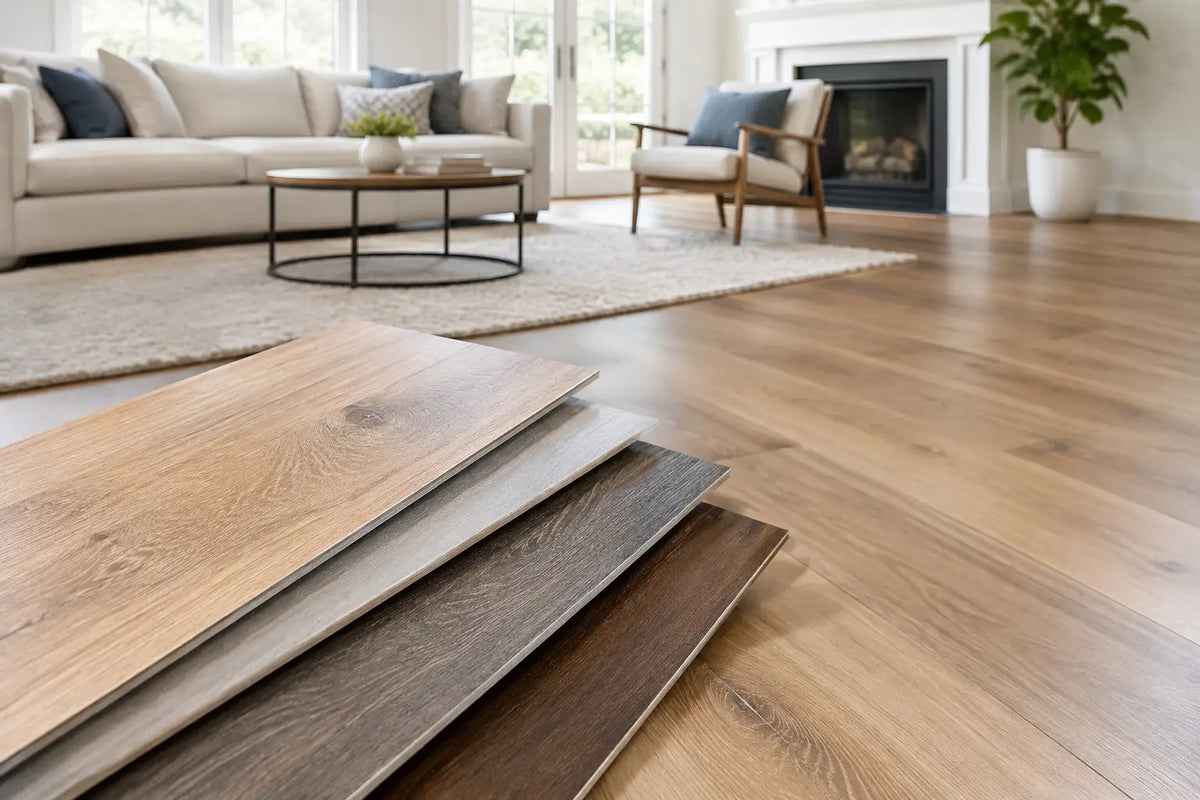
Requesting samples is worthwhile, particularly when flooring connects to existing cabinetry, countertops, or woodwork. View them in daylight and evening light, and consider the rooms as a whole rather than choosing from a small sample in isolation. A professional estimate should also account for subfloor preparation, trim, transitions, and removal of old materials, because those details affect both the budget and the final appearance.
A well-planned flooring project gives buyers one less reason to negotiate and one more reason to feel at home. Whether that means restoring the hardwood already underfoot or choosing a durable new surface, select the option that lets your home look cared for, comfortable, and ready for its next chapter.


Leave a comment
This site is protected by hCaptcha and the hCaptcha Privacy Policy and Terms of Service apply.