
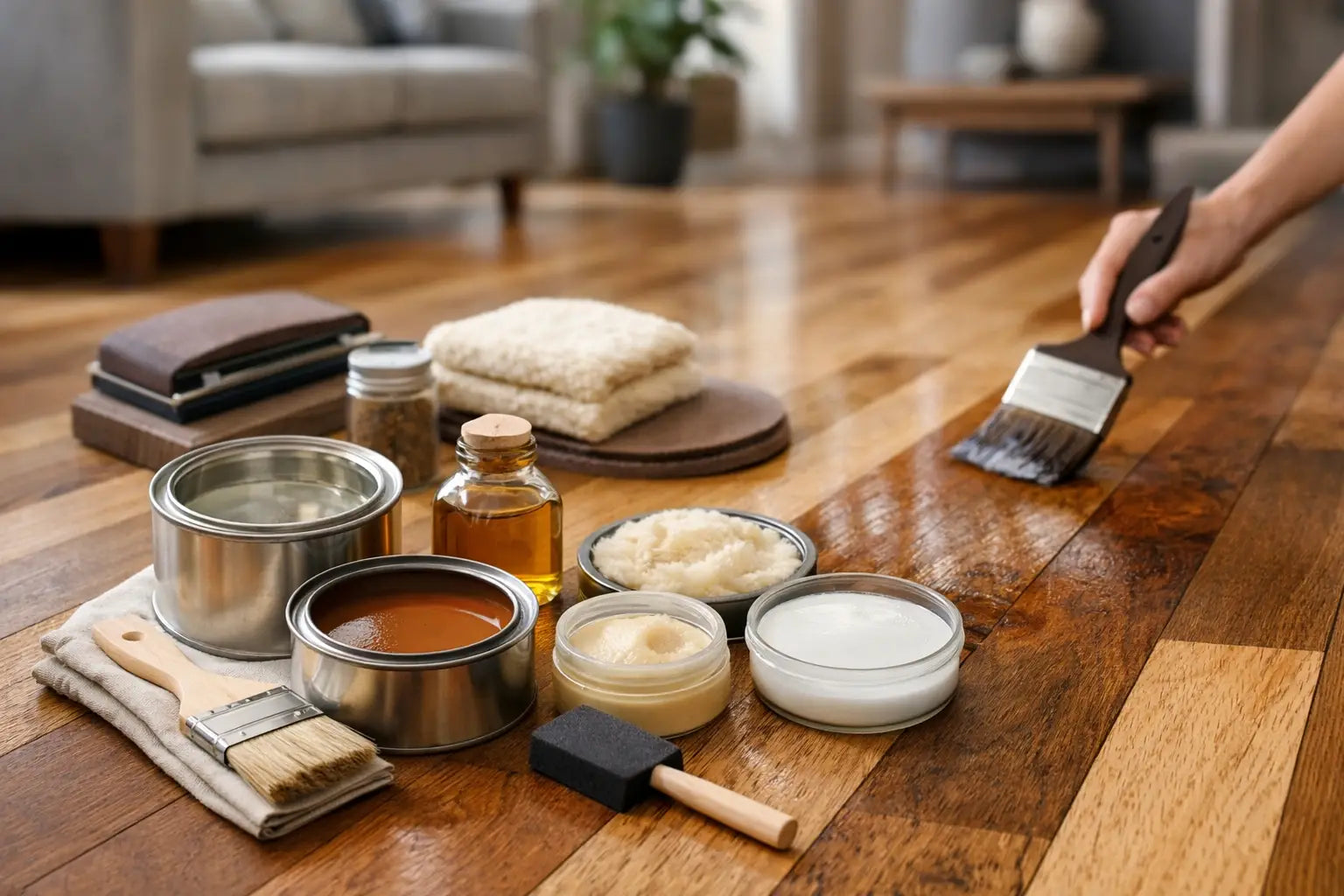
Best Wood Floor Finish Types for Your Home
A hardwood floor can be beautifully installed and still disappoint if the finish is wrong for the way the room is used. The best wood floor finish types protect the wood, shape its color and sheen, and determine how much maintenance the floor will need over the years. For a busy family kitchen, a formal dining room, a pet-friendly home, or a high-traffic commercial space, the right answer may be different.
At FC Hardwood Floors, we help customers look beyond the sample board and choose finishes that make sense for daily life. A finish should support the look you want, but it also needs to stand up to the people, furniture, sunlight, spills, and routines that will meet it every day.
What a Wood Floor Finish Really Does
A wood floor finish is the protective layer applied over stained or bare hardwood. It limits moisture absorption, reduces wear from foot traffic, and makes routine cleaning more manageable. It also has a major effect on appearance. The same oak floor can look traditional, natural, matte, glossy, light, or richly colored depending on the finish system and sheen selected.
No finish makes hardwood indestructible. Grit can scratch any surface, standing water can cause damage, and neglected floors will show wear sooner. The goal is to match the finish to your expectations for durability, maintenance, repairability, and style.
Best Wood Floor Finish Types to Consider
Water-based polyurethane: a clean, durable everyday choice
Water-based polyurethane is one of the most popular finishes for modern hardwood floors. It dries quickly, has a lower odor than many oil-based products, and usually keeps light-colored woods closer to their natural tone. Homeowners who love the pale, clean look of white oak, maple, or ash often prefer water-based polyurethane because it does not add as much amber color over time.
It is also a practical choice when a project needs an efficient turnaround. Faster drying times can reduce the amount of time rooms are out of service, although the floor still needs to cure before it can handle normal wear. High-quality water-based systems offer excellent protection, especially when applied in multiple professional coats.
The trade-off is that scratches and wear can sometimes be more noticeable on very dark stains or high-sheen floors. A skilled installer can help you choose the right sheen and product system to minimize that concern. For many homes, water-based polyurethane offers the strongest balance of appearance, durability, and convenient upkeep.
Oil-based polyurethane: warmth and traditional character
Oil-based polyurethane has been a trusted hardwood finish for generations. It creates a warm, rich appearance and tends to deepen the natural color of many species. That warm amber tone is especially appealing in traditional homes, on red oak, or when homeowners want a classic finish with visual depth.
Oil-based polyurethane generally takes longer to dry and has a stronger odor during application than water-based products. The longer project timeline is worth considering if you are coordinating a remodel or trying to move furniture back into the space quickly. It also yellows naturally over time, which may be a benefit or a drawback depending on the look you want.
For homeowners who appreciate a classic hardwood appearance and do not mind a little extra drying time, oil-based polyurethane remains a dependable option.
Hardwax oil: natural texture with spot-repair appeal
Hardwax oil penetrates the wood while leaving a protective layer at the surface. Rather than creating the more plastic-like film associated with polyurethane, it gives hardwood a natural, low-sheen appearance that lets the grain and texture remain prominent. It is a favorite for wide-plank floors, European oak looks, and homes aiming for a relaxed, organic style.
One of its biggest advantages is repairability. Small worn areas, scratches, or stains can often be cleaned, lightly prepared, and re-oiled without refinishing the entire room. That can be especially valuable in active households or spaces where a full refinishing project would be disruptive.
Hardwax oil does require a committed maintenance plan. The floor may need periodic cleaning products and refresh coats recommended for that finish system. It is not a set-it-and-forget-it surface, and improper cleaners can affect its performance. Still, for homeowners who value a natural look and practical touch-up options, hardwax oil can be an excellent investment.
Penetrating oil finishes: a low-luster, hand-rubbed look
Traditional penetrating oils soak into the wood and enhance its grain without building a thick surface film. They create a soft, low-luster appearance that feels warm and authentic underfoot. This type of finish can be a good fit for historic homes or homeowners seeking an understated, hand-finished character.
The compromise is protection. Penetrating oil finishes typically offer less resistance to moisture, stains, and heavy traffic than modern polyurethane systems. They also need more frequent upkeep. For a quiet living room or a carefully maintained home, that may be acceptable. For a kitchen, entryway, rental property, or commercial setting, a tougher finish is usually the better choice.
Moisture-cured urethane and conversion varnish: commercial-grade performance
For demanding commercial environments, specialty finishes such as moisture-cured urethane and conversion varnish may be considered. These products can provide exceptional durability and chemical resistance, making them useful in certain high-traffic settings.
They are not typically the first choice for a standard residential project. Application requires experience, ventilation planning, and careful attention to safety. The strongest finish on paper is not automatically the best fit for a home. Professional guidance matters when choosing specialized systems.
Choose the Right Sheen for Real Life
Finish type and sheen are related but separate decisions. Sheen refers to how much light the floor reflects. Glossy floors create noticeable shine, while satin and matte finishes have a softer appearance.
High-gloss finishes can look striking in a formal space, but they show dust, footprints, and small scratches more easily. Satin remains a popular middle ground because it offers gentle reflection without emphasizing every mark. Matte and low-sheen finishes are especially forgiving in busy homes with children, pets, or lots of natural light.
A lower sheen does not mean lower quality. In fact, many homeowners choose matte finishes because they better suit the lived-in, natural look they want from real hardwood.
How to Match a Finish to Your Room
Start with how the space is actually used. A formal room with limited traffic gives you more freedom to prioritize a particular color or sheen. A main-level living area, kitchen, hallway, or mudroom needs a finish built for daily wear and easy cleaning.
Think about sunlight as well. Kansas City-area homes often receive strong seasonal sunlight, which can highlight color changes and surface scratches. Lighter stains, natural wood tones, and lower-sheen finishes generally hide dust and minor wear better than dark, glossy floors.
Your future plans also matter. If you expect to refinish again in many years, a professionally applied polyurethane system can be a durable, familiar choice. If targeted repairs appeal to you, hardwax oil may be worth the additional maintenance. The right finish is the one that fits both your style and your willingness to care for it.
Protect Any Finish With Simple Habits
Even the most durable finish benefits from consistent care. Place mats at exterior doors, use felt pads under furniture, and clean up spills promptly. Sweep or vacuum with a hardwood-safe attachment to remove abrasive grit, then use a cleaner approved for your specific finish.
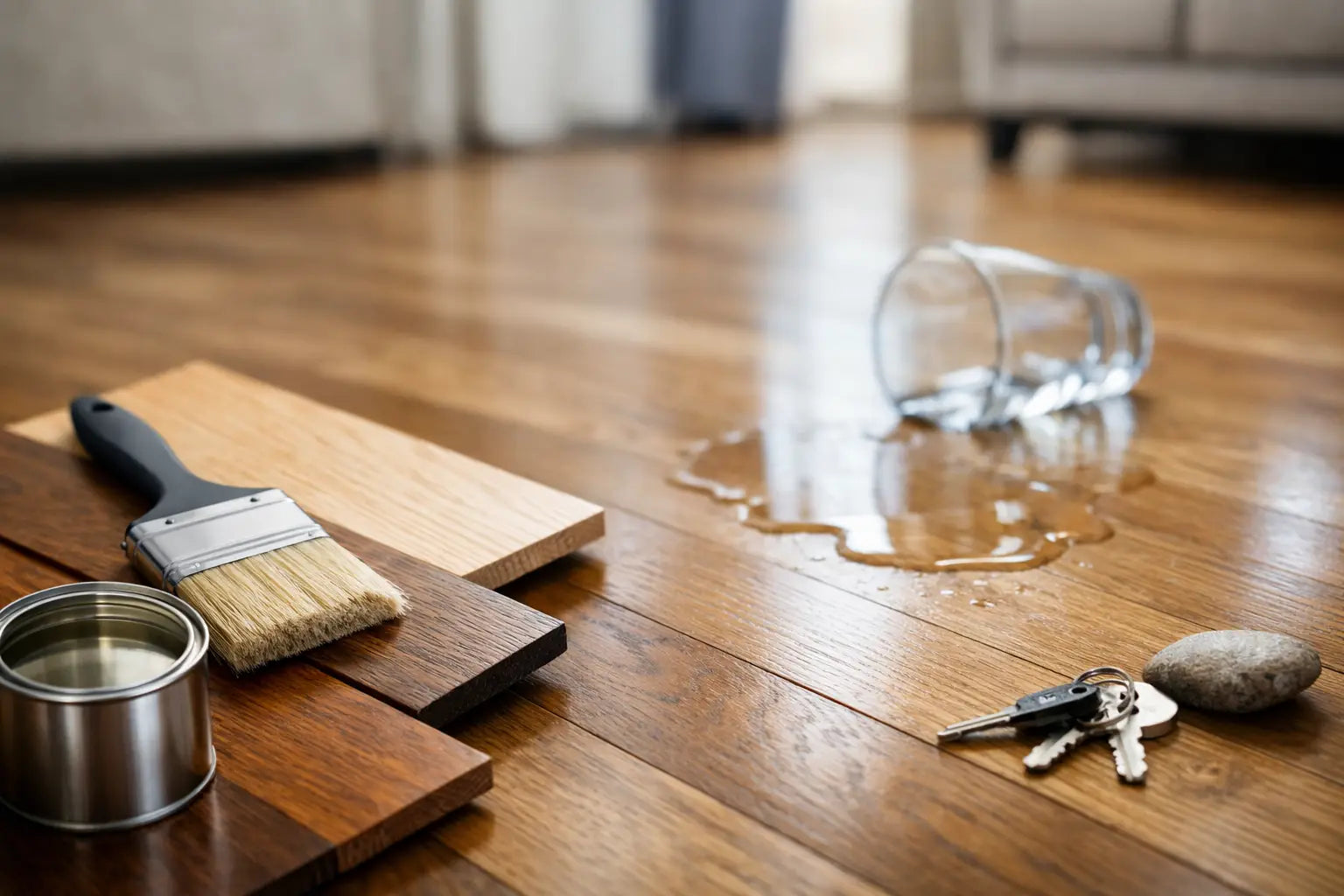
Avoid steam mops, soaking-wet mops, waxes, and harsh all-purpose cleaners unless your flooring professional has confirmed they are safe. These products can leave residue, dull the surface, or introduce excess moisture where wood does not want it.
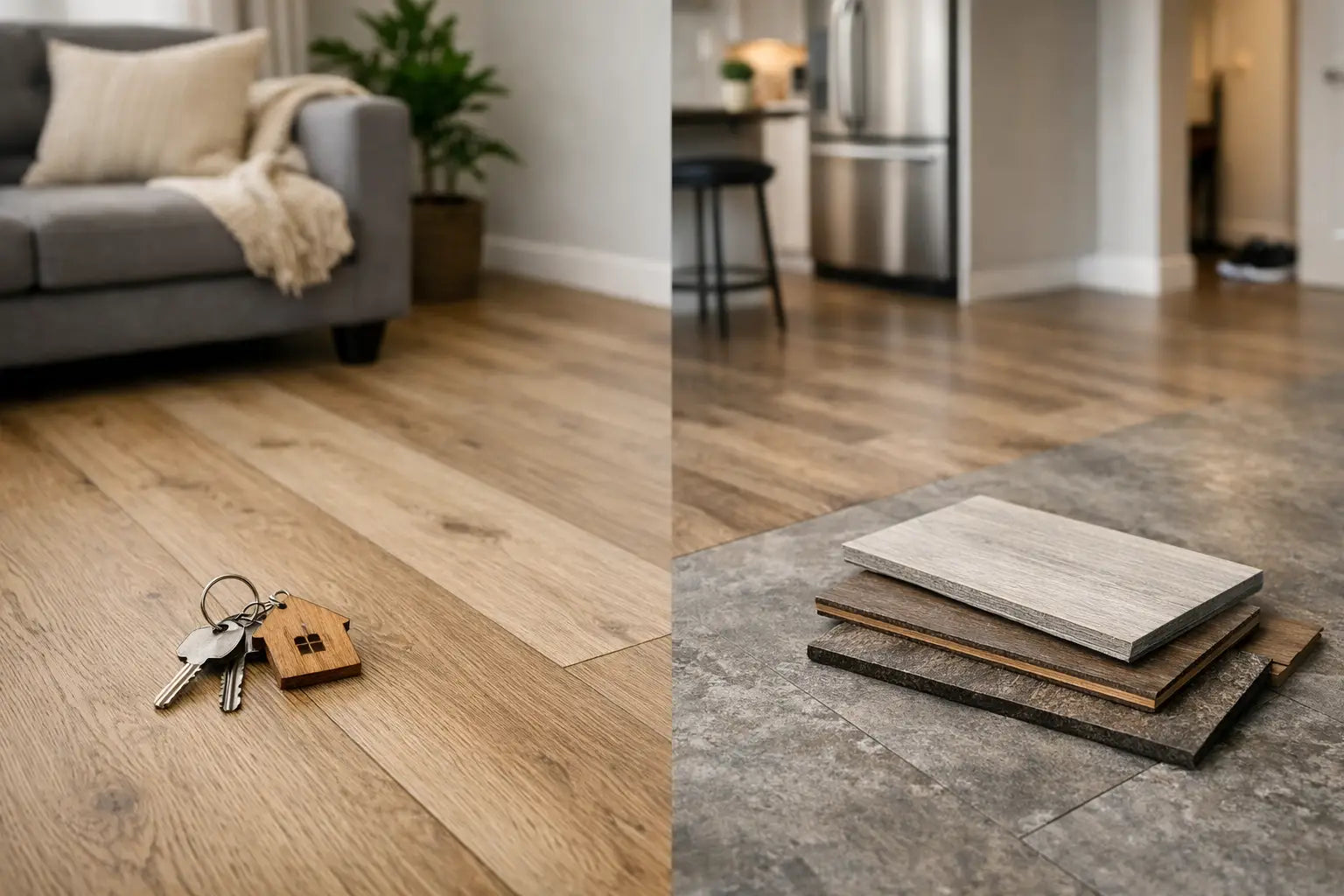
A few samples in your own home can make the decision much easier. View them beside your cabinets, walls, and furniture at different times of day, then choose the finish that will look good not just on installation day, but through the years of life happening on it.

Leave a comment
This site is protected by hCaptcha and the hCaptcha Privacy Policy and Terms of Service apply.