Best Hardwood Colors for Resale Value
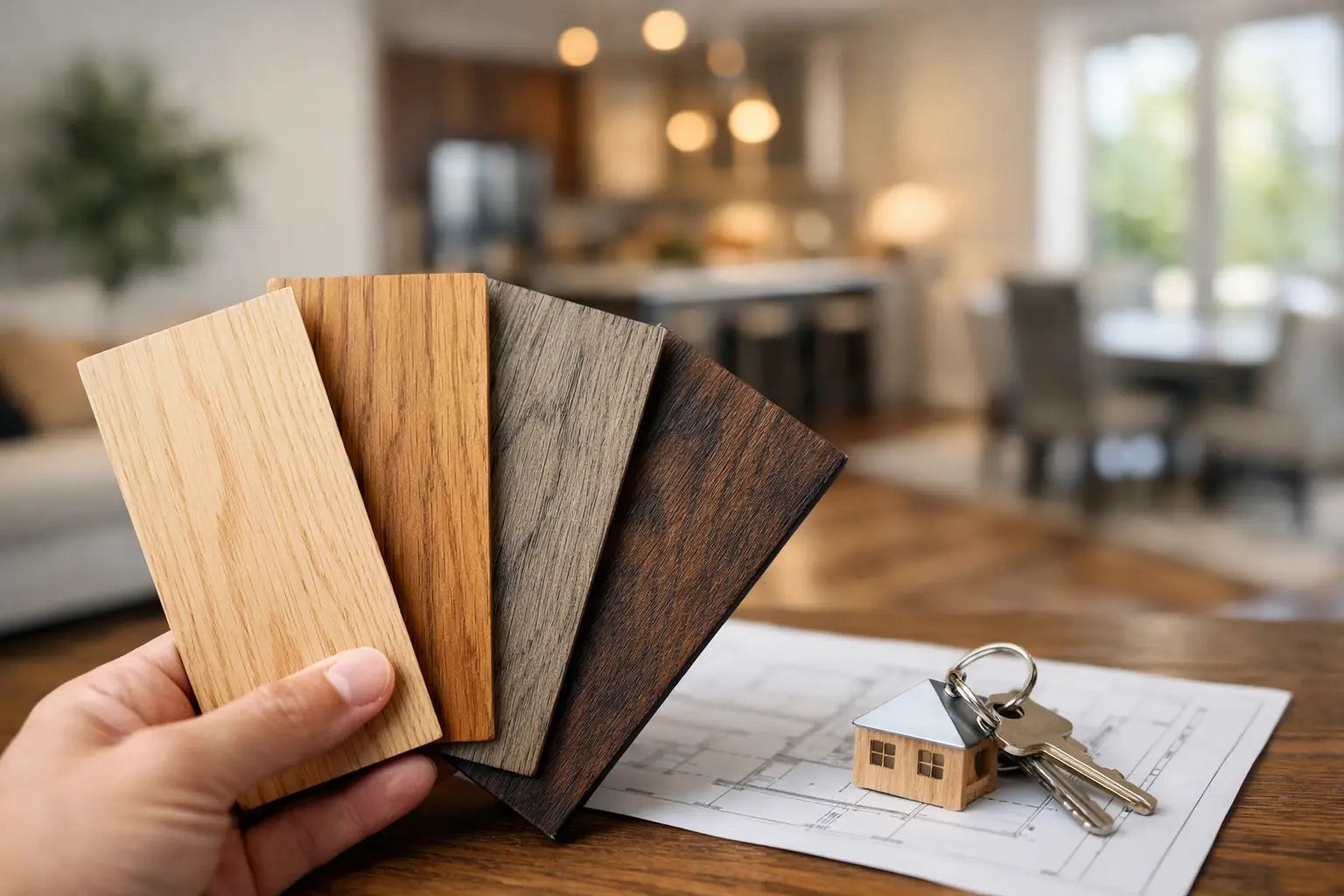
If you're replacing or refinishing floors with resale in mind, color matters more than most homeowners expect. The best hardwood colors for resale are usually the ones that make a home feel clean, updated, and easy for the next buyer to picture as their own - not necessarily the boldest or trendiest option in the showroom.
That can feel a little disappointing if you love dramatic dark floors or ultra-light Scandinavian tones. But resale decisions are rarely about personal favorites alone. They are about broad appeal, maintenance expectations, lighting, and how the floor works with the rest of the house.
What buyers usually want from hardwood color
Most buyers are not walking into a home with a stain chart in hand. They are reacting to how the space feels. A hardwood color that supports resale usually helps the room look brighter, more open, and easier to furnish.
That is why medium and light-medium wood tones tend to perform so well. They feel timeless. They hide everyday dust better than very dark floors, and they usually coordinate with a wider range of cabinet colors, wall paint, and design styles. For a homeowner trying to protect value, that flexibility matters.
The other big factor is upkeep. Buyers notice when a floor looks beautiful in listing photos but seems hard to live with in person. Very dark floors can show scratches, pet hair, and dust quickly. Very pale floors can work beautifully, but if the tone leans too raw, too gray, or too yellow, they can start to feel style-specific. The best resale color often lands in the middle.
Best hardwood colors for resale in real homes
When clients ask about the best hardwood colors for resale, we usually steer the conversation toward natural-looking stains with balanced undertones. That does not mean every floor needs to look identical. It means the most dependable choices are the ones that age well and fit more than one design trend.
Light natural oak
This is one of the safest and strongest choices for resale. Light natural oak gives a home an updated look without feeling cold or unfinished. It works especially well in homes that need a little more brightness, and it pairs easily with white, greige, beige, navy, black, and wood-tone cabinetry.
For many buyers, this color reads as fresh but not risky. It also helps smaller rooms feel more open. If your home does not get a lot of natural light, light natural oak can be a smart move.
Medium brown
A classic medium brown remains one of the most reliable options on the market. It has enough depth to feel warm and finished, but not so much darkness that it becomes high maintenance. This shade tends to work well in traditional homes, transitional spaces, and many newer remodels.
If you want a floor color that appeals to the widest possible audience, medium brown deserves serious consideration. It is familiar in a good way. Buyers often trust what feels proven.
Light-medium brown with neutral undertones
This is often the sweet spot. A neutral brown with a hint of warmth can look current without chasing trends. It softens modern interiors and updates older homes without making them feel disconnected from their original style.
This is also a practical choice for busy households. It hides everyday wear better than very light or very dark floors, which can help your home show better if you are living in it while selling.
Soft greige-brown
Greige floors had a strong trend cycle, and some versions now look dated. Still, a soft brown with subtle gray influence can work for resale if it does not look flat, washed out, or overly cool. The key is restraint.
In many homes, especially those with cooler paint colors or more contemporary finishes, this tone can bridge the gap between modern and inviting. The wrong gray floor can hurt warmth. The right greige-brown can feel calm and versatile.
Colors that can hurt resale appeal
There is no universal ban on dark, red, or gray floors. A well-designed home can absolutely sell with them. But if your goal is broad market appeal, these colors require more caution.
Very dark espresso
Dark floors can look rich and elegant, especially in larger homes with strong natural light. The challenge is maintenance. They tend to show dust, scratches, footprints, and pet hair quickly. For buyers with kids, pets, or a full schedule, that can register as a future headache.
They can also make some rooms feel smaller or heavier, particularly if ceilings are low or wall colors are dark. If you love a darker floor, a deep medium brown often gives you a similar sense of richness with fewer drawbacks.
Strong red or orange undertones
Traditional cherry and red-toned stains were popular for years, but many buyers now see them as dated. Orange-heavy floors can also clash with modern finishes and make paint selection harder.
That does not mean warm floors are a bad choice. Warmth is often a benefit. The issue is intensity. A subtle warm brown usually has better resale appeal than a floor with obvious red or orange coloring.
Flat gray
Gray hardwood had a major moment, and in the right interior it can still look sharp. But for resale, gray can be tricky because style preferences have shifted toward more natural wood looks. A strong gray stain may limit how many buyers feel immediately comfortable in the space.
If you want something cooler in tone, a natural brown with a soft neutral cast is usually a safer long-term choice.
The right color depends on the wood and the house
Resale advice should never ignore the actual material under your feet. Oak, maple, hickory, and other species all take stain differently. Red oak can pull warmer or pinker than white oak. Maple can be more difficult to stain evenly. Hickory has strong natural variation that influences the final look.
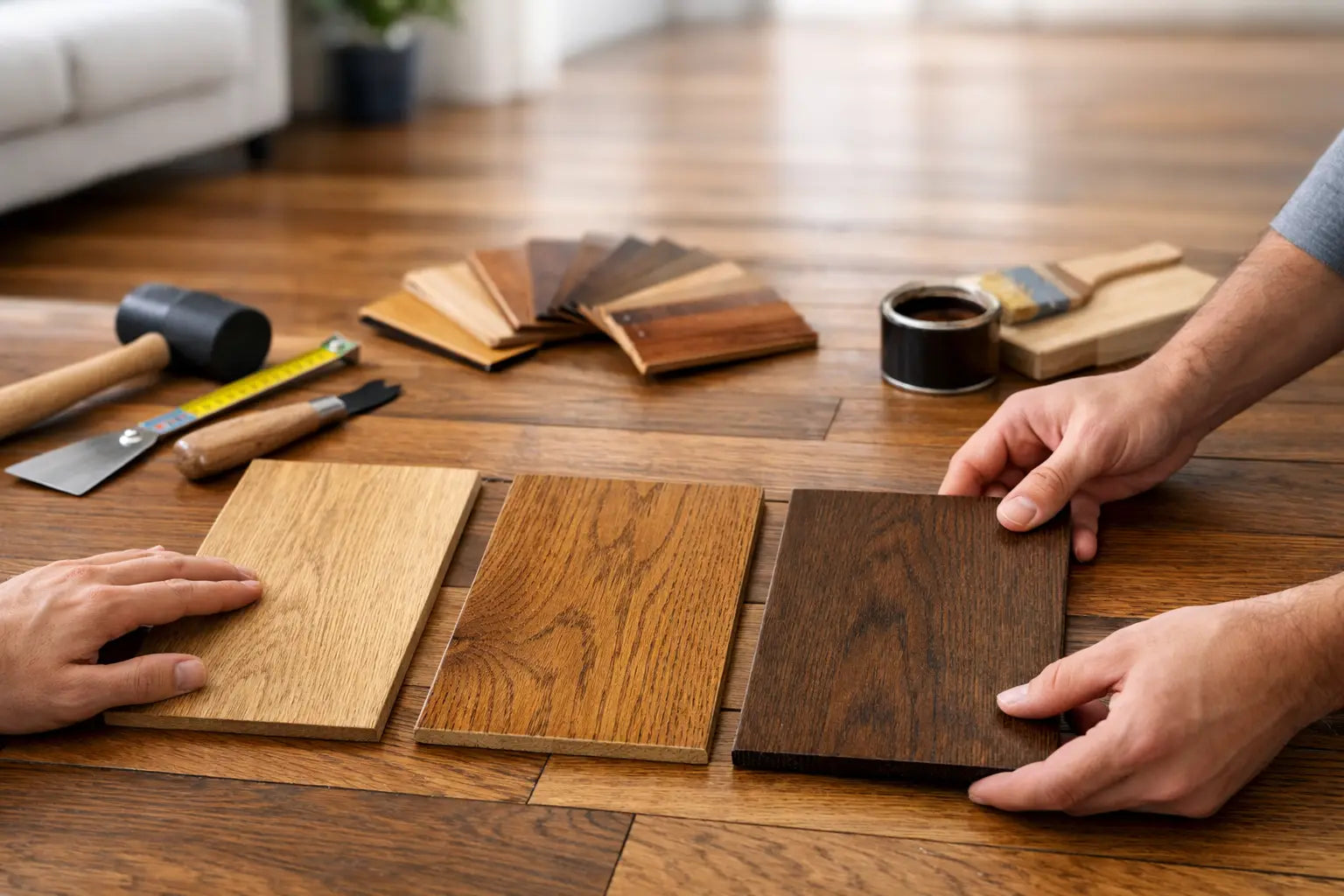
That is why sample testing matters. A color that looks perfect online may read completely different in your home under your lighting. Before committing, it helps to view a few stain options directly on your floor and look at them in daylight and evening light.
The age and style of the home matter too. A sleek pale finish may suit a newer open-concept interior, while a classic medium brown may feel more natural in a traditional home. Buyers respond best when the flooring feels like it belongs in the space.
Best hardwood colors for resale and daily life
Resale value is important, but you still have to live with the floor until you move. That is where many homeowners make better decisions when they step back from the idea of picking the single "best" shade and start thinking about the most practical one for their household.
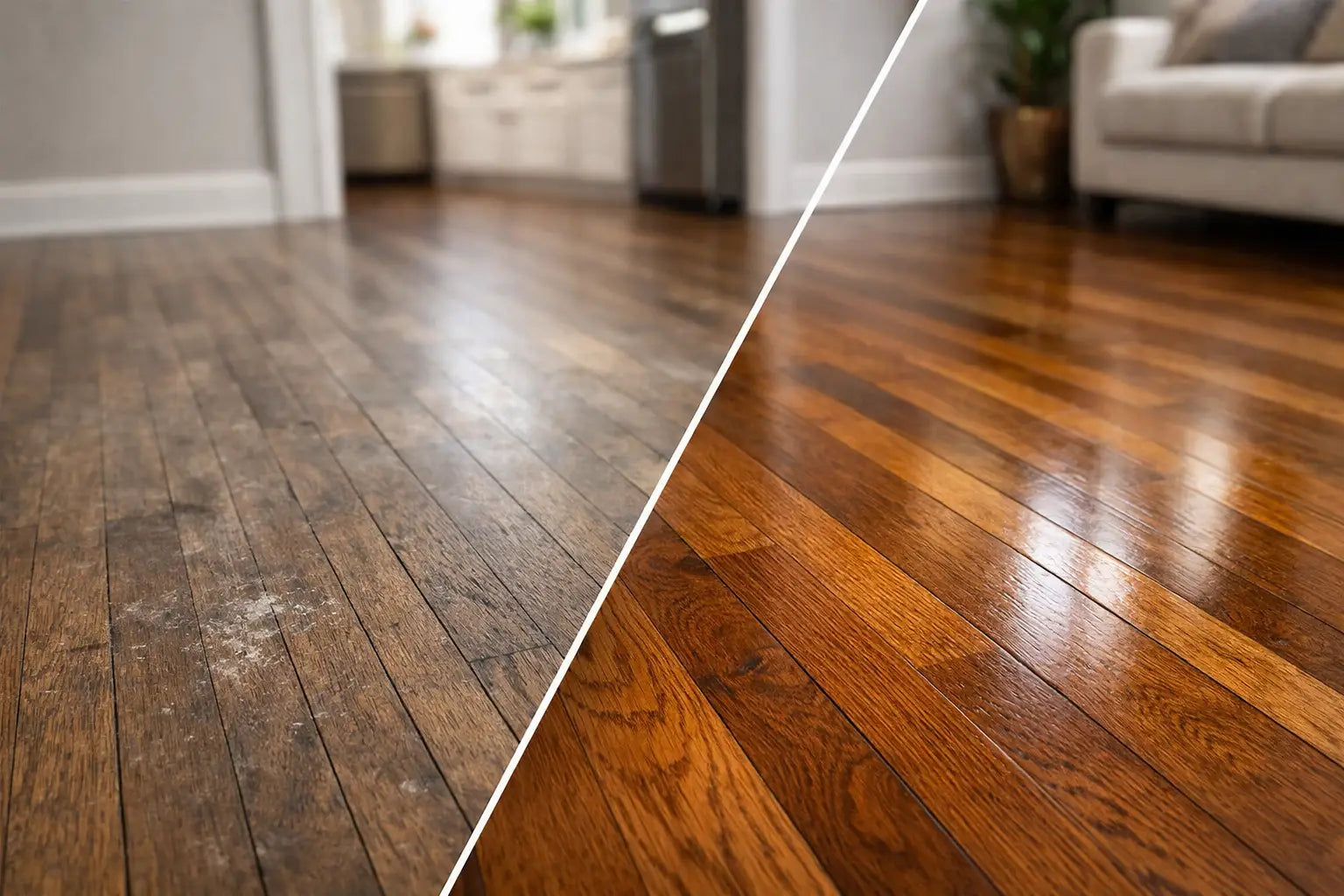
If you have pets, children, or high traffic, a mid-tone floor usually gives you the best balance of appearance and forgiveness. If your home needs light, a natural lighter tone can help. If you are restoring older hardwood, the best resale choice may be the stain that brings out the wood's character without forcing it into a trend.
For homeowners in places like Olathe, Overland Park, and the greater Kansas City area, seasonality can also affect how floors look. Natural light changes across the year, and Midwestern homes often see plenty of foot traffic from weather, kids, guests, and daily life. A floor that still looks good between cleanings has real value.
How to choose with confidence
If resale is your goal, start by narrowing your options to timeless, natural-looking colors rather than dramatic statements. Then look at the whole room. Flooring does not sell a house by itself. It works together with trim, cabinets, paint, lighting, and layout.
This is also where professional guidance can save money. The right stain choice depends on species, finish, sheen, room size, and the condition of the existing wood. A family-owned flooring team like FC Hardwood Floors can help homeowners compare samples, weigh trade-offs, and choose a finish that looks high-end without pushing the budget into the wrong place.
The safest resale color is usually not the one that gets the biggest reaction in a sample rack. It is the one that still feels right a few years from now, still works with changing styles, and helps the next buyer walk in and feel at home. If your floor can do that, it is doing more than looking good - it is adding lasting value.

Leave a comment
This site is protected by hCaptcha and the hCaptcha Privacy Policy and Terms of Service apply.