Best Floors for Pets and Kids at Home
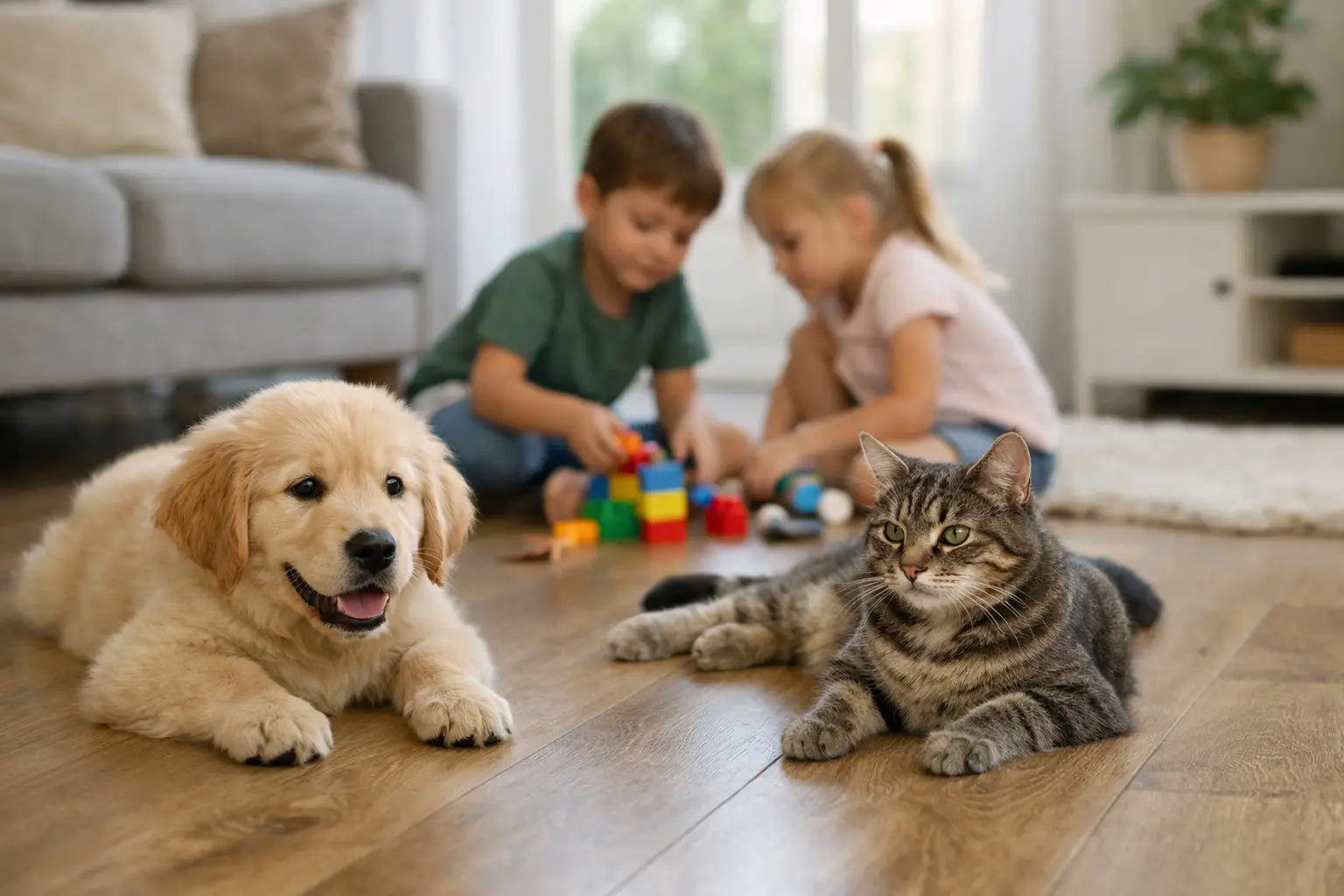
Mud on the paws, spilled juice under the table, toy trucks racing across the hallway - family life puts a floor to work. If you are trying to choose the best floors for pets and kids, the right answer is usually not the fanciest material. It is the one that can handle daily traffic, clean up easily, and still look good years from now.
That is where a lot of homeowners get stuck. They want something beautiful, but they also need something realistic. A floor might look perfect in a showroom and feel like a poor fit once claws, crumbs, water bowls, and constant foot traffic become part of the picture.
What makes the best floors for pets and kids?
The best flooring for a busy household usually checks five boxes. It resists scratches, stands up to moisture, feels comfortable underfoot, cleans without a fight, and fits the style of the home. Price matters too, but value matters more. A cheaper floor that wears out quickly is rarely the better deal.
It also helps to think about your household honestly. A family with one older dog and no toddlers may prioritize appearance and warmth. A home with large dogs, young children, and heavy daily traffic needs a tougher surface. There is no single perfect floor for every home, but there are clear front-runners.
Luxury vinyl is often the safest all-around choice
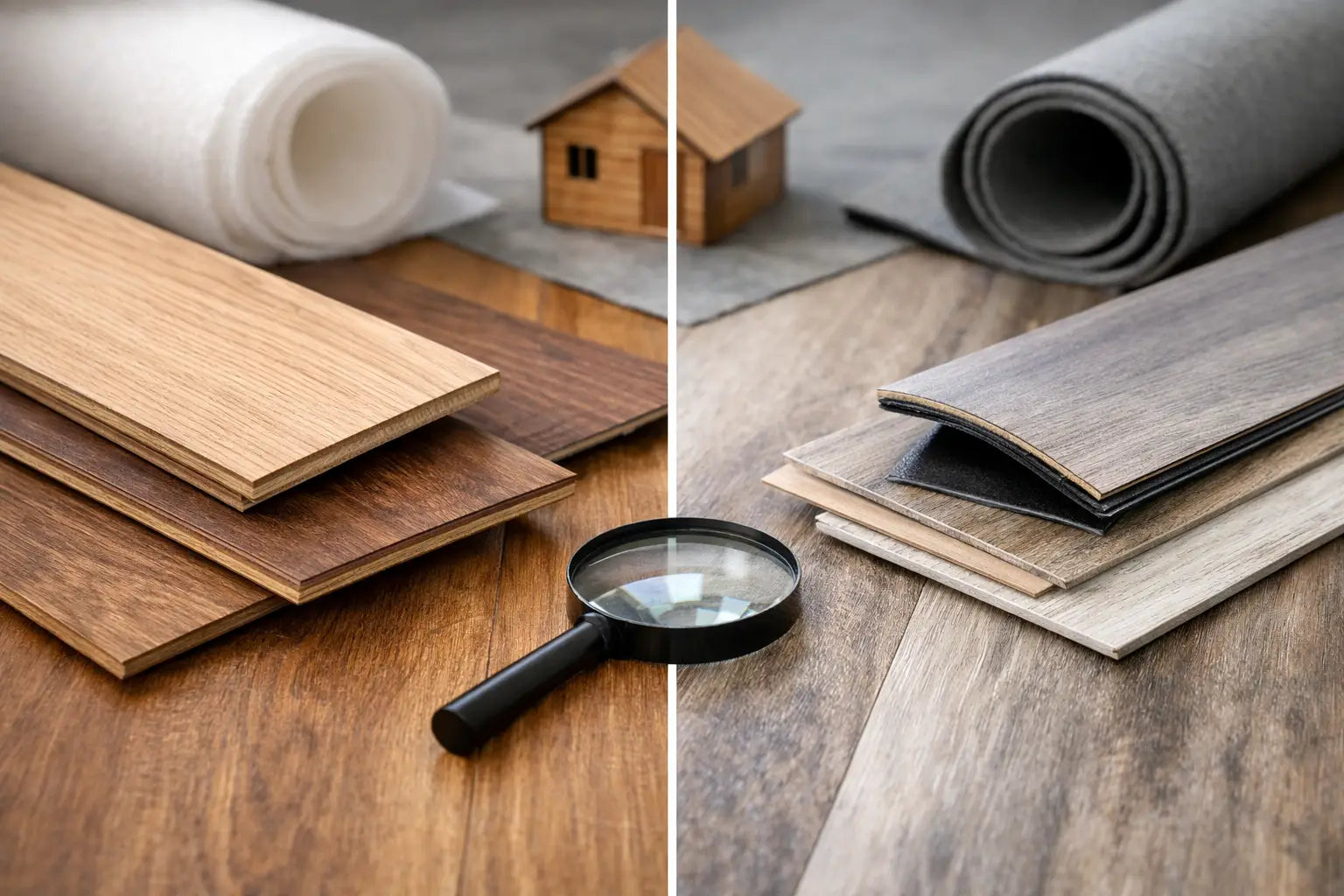
For many families, luxury vinyl plank or tile hits the sweet spot. It is one of the most practical options for homes with kids and pets because it handles moisture well, resists everyday wear, and comes in styles that closely resemble real wood or stone.
The biggest advantage is forgiveness. Wet paw prints, snack spills, and water splashed from a pet bowl are less likely to become a long-term problem. Many luxury vinyl products also have a wear layer that helps protect against scratches and scuffs, which matters if you have dogs that run to the door every time the bell rings.
Comfort is another reason homeowners lean toward this option. Luxury vinyl tends to feel a little softer and quieter than tile, which can make a difference in playrooms, kitchens, and main living spaces. If you want a floor that looks upscale without demanding constant attention, this is one of the strongest contenders.
That said, quality varies. A thin, builder-grade product will not perform like a well-made floor with a thicker wear layer. Installation matters too. Even a durable product can disappoint if it is not installed correctly or if the subfloor is uneven.
Laminate works well when scratch resistance matters most
Laminate has come a long way, and in the right home, it can be an excellent choice. If your biggest concern is scratches from pet nails, active kids, and everyday furniture movement, laminate deserves a serious look. Many modern laminate floors have a strong wear surface that stands up well to abrasion.
It also gives homeowners the look of wood at a more approachable price point than many hardwood options. That makes it appealing for families who want style and durability without stretching the budget.
The trade-off is moisture. Some newer laminate products are far more water-resistant than older versions, but laminate is still not the first material most professionals recommend for spaces that stay wet or see frequent spills. If you choose laminate, product selection becomes especially important. You want a floor designed for real family use, not just visual appeal.
Hardwood can still work in a family home
A lot of homeowners assume hardwood is off the table if they have pets or children. That is not always true. Hardwood is still one of the most attractive and value-adding flooring choices you can make, and in many homes, it performs better than people expect.
The key is choosing the right species, finish, and expectations. Harder woods generally hold up better than softer ones, and matte or low-sheen finishes tend to hide wear more gracefully than high-gloss surfaces. Wider planks with natural variation can also make small scratches and dents less noticeable over time.
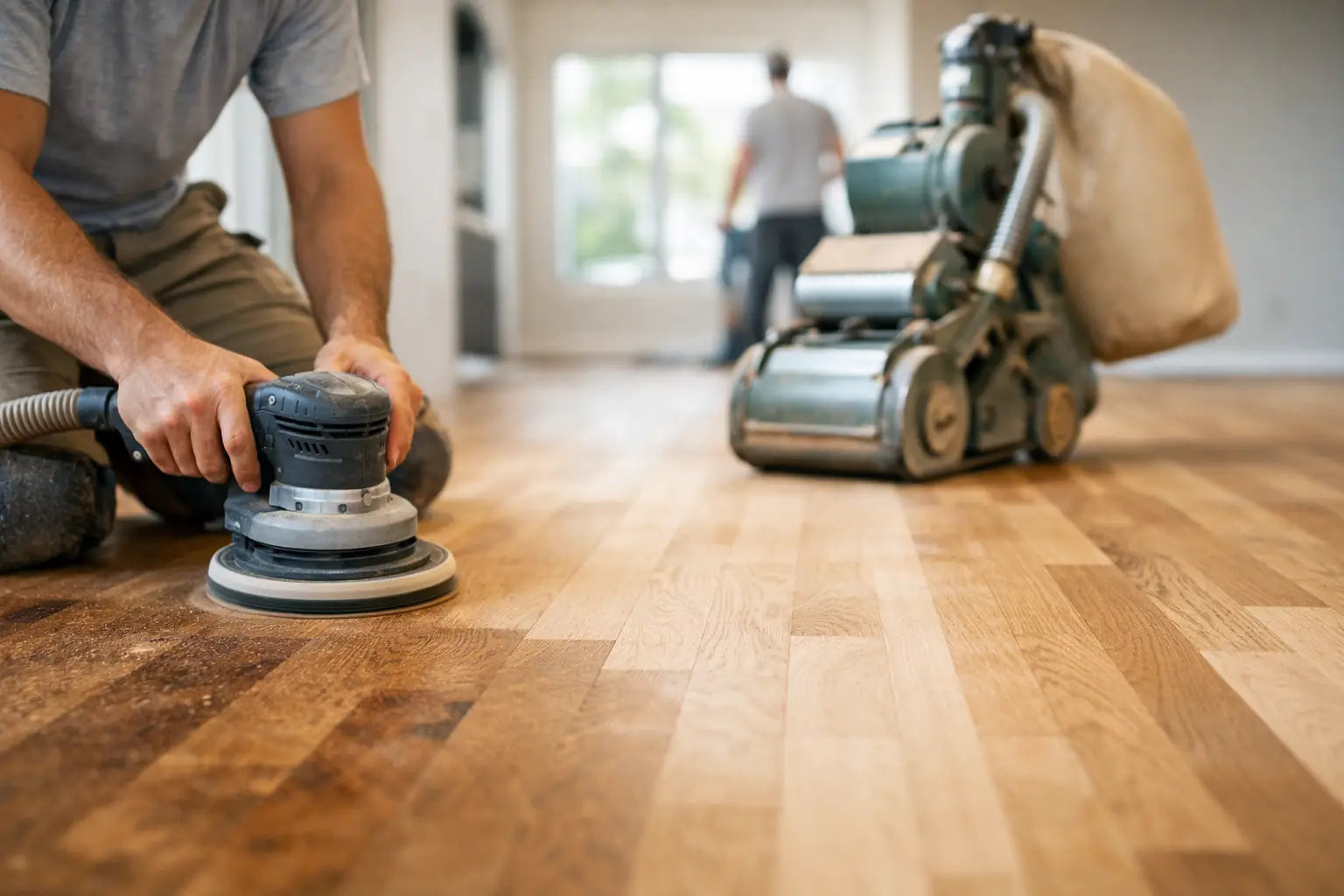
Hardwood does require more care than luxury vinyl or laminate. Standing water is a problem. Sharp claws can leave marks. Heavy toy drops may dent the surface. But hardwood also offers a major advantage - it can often be restored instead of replaced. For homeowners who care about long-term beauty and resale value, that matters.
In a busy household, hardwood is often best in living rooms, bedrooms, and other spaces where moisture is less constant. It may be less ideal in entryways used by pets coming in from rain or snow, unless your family is diligent about cleanup.
Tile is durable, but not always family-friendly in every room
Tile is one of the toughest flooring materials available. It handles water, muddy paws, and messy meals with ease, which makes it a natural fit for bathrooms, laundry rooms, and some kitchens. If durability is your only measure, tile ranks high.
But durability is not the whole story. Tile can feel hard and cold, and that is not always ideal for toddlers learning to walk or for pets that like to nap on the floor. It is also less forgiving when dishes, toys, or knees hit the surface. Grout lines can create extra cleaning work unless they are sealed and maintained properly.
For some households, tile is best used strategically rather than everywhere. It shines in high-moisture zones, but many families prefer something warmer and quieter in the main living areas.
Carpet usually makes the short list for comfort, not performance
Carpet feels soft, reduces noise, and gives kids a comfortable place to sit and play. In bedrooms and certain upstairs spaces, that can still make sense. But if you are choosing flooring primarily for durability and easy cleanup, carpet is usually the weakest option.
Pet accidents, tracked-in dirt, odors, stains, and allergens are harder to manage in carpet than on hard surfaces. Even when carpet looks clean, it can hold onto more than most busy households want to deal with. For families with young children and pets, carpet often works best as a limited-use flooring choice rather than the main surface throughout the home.
How to choose the best floors for pets and kids by room
Room-by-room planning usually leads to better results than trying to force one material everywhere. Kitchens, mudrooms, and basements often benefit from a moisture-resistant option like luxury vinyl or tile. Living rooms, hallways, and bedrooms may allow more flexibility depending on your style goals and how much wear those spaces see.
If you love the look of hardwood, you do not necessarily have to give it up. You may simply pair it with a more water-friendly material in the most demanding areas. That kind of mix often gives families the best balance of beauty and performance.
This is also where professional guidance matters. A flooring sample can look great under showroom lighting, but your home has different traffic patterns, natural light, and day-to-day demands. A consultative approach helps you narrow the field based on how you actually live.
A few design details make a big difference
Color and finish can affect how happy you are with your floor just as much as the material itself. Mid-tone colors often hide dust, pet hair, and minor scratches better than very dark or very light floors. Matte finishes are usually more forgiving than glossy ones. Textured surfaces can also help disguise everyday wear.
That does not mean you have to settle. It means the smartest flooring choices are the ones that blend style with practical performance. A floor should support your home, not make you nervous every time the dog runs through the kitchen.
The best choice is the one that fits your real life
For many families, luxury vinyl is the easiest recommendation because it offers a strong mix of durability, moisture resistance, comfort, and value. Laminate is a solid option when scratch resistance and budget are top priorities. Hardwood remains a beautiful long-term investment for homeowners willing to accept some maintenance in exchange for warmth and character. Tile has an important role in wet areas, while carpet is better reserved for spaces where softness matters more than easy cleanup.
At FC Hardwood Floors, this is the kind of decision we help homeowners make every day. Not by pushing one product, but by matching the flooring to the home, the traffic, and the budget.
If you are weighing samples and second-guessing every option, that is normal. The best floor for your family is the one that still works on an ordinary Tuesday - after the dog comes in wet, the kids drop their backpacks, and life keeps moving.

Leave a comment
This site is protected by hCaptcha and the hCaptcha Privacy Policy and Terms of Service apply.