
Article: Best Hardwood Species for Kitchens That Last
Best Hardwood Species for Kitchens That Last
A kitchen floor has to handle more than a beautiful living room floor. It sees dropped pans, chair movement, pet traffic, small spills, and the daily rhythm of family life. The best hardwood species for kitchens is not simply the hardest wood available. It is the one that fits your household, design goals, budget, and willingness to maintain it over time.
For many homeowners, hardwood is still the right choice for a kitchen because it brings warmth, character, and lasting value that manufactured materials cannot fully duplicate. The key is choosing a species and finish that can age gracefully rather than expecting a natural material to remain untouched.
What Makes a Hardwood Species Kitchen-Ready?
Hardness matters, but it should not make the decision on its own. A harder species can better resist dents from a dropped utensil or the legs of a heavy kitchen chair. However, grain pattern, color variation, board width, finish quality, and professional installation also affect how a floor performs and how noticeable everyday wear will be.
Wood naturally expands and contracts as indoor humidity changes. That is especially relevant in Greater Kansas City, where seasonal conditions can shift from dry winter heat to humid summer air. Proper acclimation before installation, correct spacing around the perimeter, and consistent indoor humidity help protect any hardwood species from excessive movement.
A practical kitchen floor should also be easy to live with. High variation in grain and color can disguise minor scratches and crumbs better than a smooth, uniform surface. A low-sheen matte or satin finish is usually more forgiving than a glossy finish, which tends to reveal scuffs, footprints, and small imperfections.
Best Hardwood Species for Kitchens: Top Choices
White Oak: The Most Versatile Choice
White oak is often the strongest all-around choice for a kitchen. It is durable enough for active homes, has a closed grain that gives it a clean, refined appearance, and accepts stain beautifully. Its natural tones work with traditional cabinetry, contemporary designs, and the warm modern looks many homeowners prefer today.
White oak also offers excellent design flexibility. It can be finished in natural blonde tones, medium browns, deeper stains, or popular muted shades without losing the visual depth of real wood. Rift- and quarter-sawn white oak can provide added stability and a more linear grain pattern, although it typically costs more than plain-sawn boards.
For a kitchen that needs long-term appeal without feeling overly formal, white oak is hard to beat. It offers the balance of durability, style, and resale appeal that makes it a dependable investment.
Red Oak: A Classic, Budget-Friendly Performer
Red oak has been a favorite in American homes for generations, and for good reason. It is durable, widely available, and generally more affordable than white oak. Its open grain gives it a distinct, traditional character and does a good job of hiding everyday wear.
The main difference is appearance. Red oak often has warmer undertones and more pronounced grain than white oak. It can be an excellent fit for homes with existing oak trim, classic cabinetry, or a warm, familiar style. While it is slightly softer than white oak, it still holds up well in a properly maintained kitchen.
If you are restoring or extending existing red oak flooring into a kitchen, matching the species can create a more cohesive look throughout the home. Refinishing may also be an option when the floor eventually shows its age.
Hickory: Built for Busy Households
Hickory is one of the hardest domestic hardwood species commonly used for flooring. It is a strong contender for families with children, large dogs, or a kitchen that serves as the center of daily activity. Its dramatic grain and natural color range, from creamy light tones to deep brown streaks, make every floor feel distinctive.
That bold variation is a benefit if you want character and a floor that conceals minor dents or scratches. It can be more challenging if you prefer a perfectly uniform, calm appearance. Hickory is also harder to cut and install than oak, so experienced installation matters.
Choose hickory when durability is a priority and you appreciate a floor with natural movement and visual texture. It is especially well suited to rustic, farmhouse, transitional, and casual contemporary kitchens.
Hard Maple: Clean and Contemporary
Hard maple has a smooth, subtle grain and a naturally light appearance that works beautifully in streamlined, modern kitchens. It is hard and durable, with a cleaner, quieter look than oak or hickory. For homeowners who want bright cabinetry, simple lines, and an uncluttered finish, maple can be an excellent match.
There is one trade-off: maple does not absorb stain as evenly as oak. Very dark stains can appear blotchy unless the flooring is properly prepared and finished. Natural or lightly tinted maple tends to show off the wood at its best.
Maple can also show scratches more readily than a heavily grained or highly varied species, depending on the color and finish. A satin finish and a natural-toned stain help keep the look practical for a working kitchen.
Walnut: Rich Character for Lower-Traffic Kitchens
Walnut is prized for its deep brown color, elegant grain, and unmistakable warmth. It gives a kitchen a high-end, furniture-like appearance that pairs especially well with light cabinetry, brass accents, and thoughtful architectural details.
It is softer than oak, maple, and hickory, which means it can dent more easily in a high-traffic family kitchen. That does not make walnut a poor choice. It simply makes it a more intentional choice. Walnut works best for homeowners who appreciate the patina of a natural floor and understand that small marks become part of its character.
For a quieter household or a kitchen where visual richness matters most, walnut can deliver exceptional beauty. A quality finish and reasonable care will go a long way toward preserving it.
Species Is Only Part of the Decision
Even the best species can underperform when the installation or finish is not right. In a kitchen, a high-quality polyurethane finish is often the practical choice because it adds a protective layer against moisture, stains, and routine cleaning. Oil finishes create a beautiful, natural feel and can be easier to repair in small areas, but they usually require more regular maintenance.
Site-finished hardwood gives you flexibility with stain color and can reduce the number of seams where moisture might settle. Prefinished flooring offers factory-applied finishes that are often very durable and allows for a faster, cleaner installation. The right option depends on the product, your timeline, and the look you want.
Board width also changes the way a floor lives. Wider planks make a kitchen feel open and current, but they can show seasonal movement more clearly. Narrower boards create a classic look and may be more forgiving in spaces with changing humidity. Neither is automatically better. The details of your home and installation plan matter.
How to Protect Hardwood in a Kitchen
Hardwood does not need to be treated like a museum floor, but a few habits make a meaningful difference. Wipe up water and food spills promptly, particularly near the sink, dishwasher, refrigerator, and pet bowls. Use a breathable rug or mat in high-splash zones, and choose pads without rubber or vinyl backings that can trap moisture or discolor the finish.
Felt pads under chairs and bar stools prevent many of the scratches homeowners blame on the wood itself. Sweep or vacuum frequently using a hard-floor setting, since grit can act like sandpaper under shoes. When it is time to clean, use a manufacturer-approved hardwood cleaner rather than soaking the floor with water or using steam.
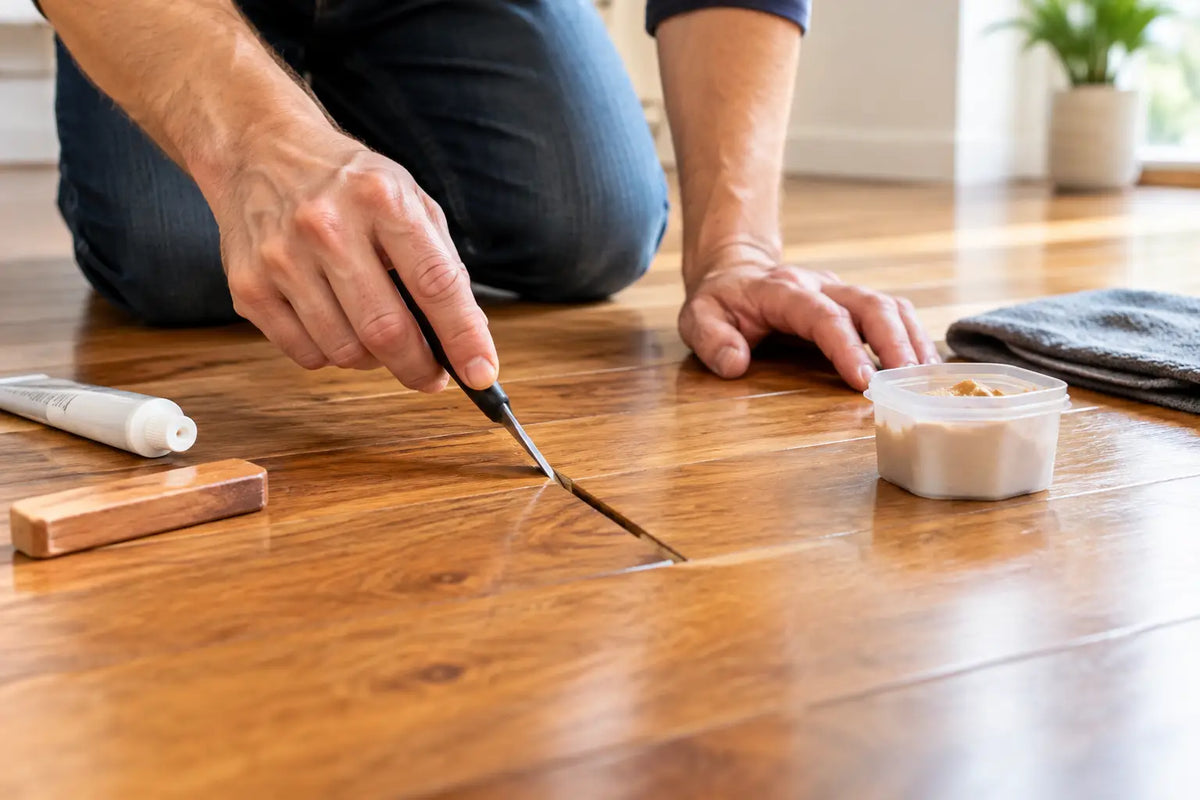
Small dents and scratches are normal in a lived-in kitchen. One of hardwood's greatest advantages is that it can often be screened, recoated, or refinished instead of replaced when the finish eventually wears down.
Choose the Floor That Fits Your Real Life
For most kitchens, white oak offers the best balance of beauty, durability, and long-term flexibility. Red oak is a smart value-driven classic, hickory stands up to active households, maple suits clean contemporary spaces, and walnut brings unmatched warmth when a softer, character-rich floor fits the lifestyle.
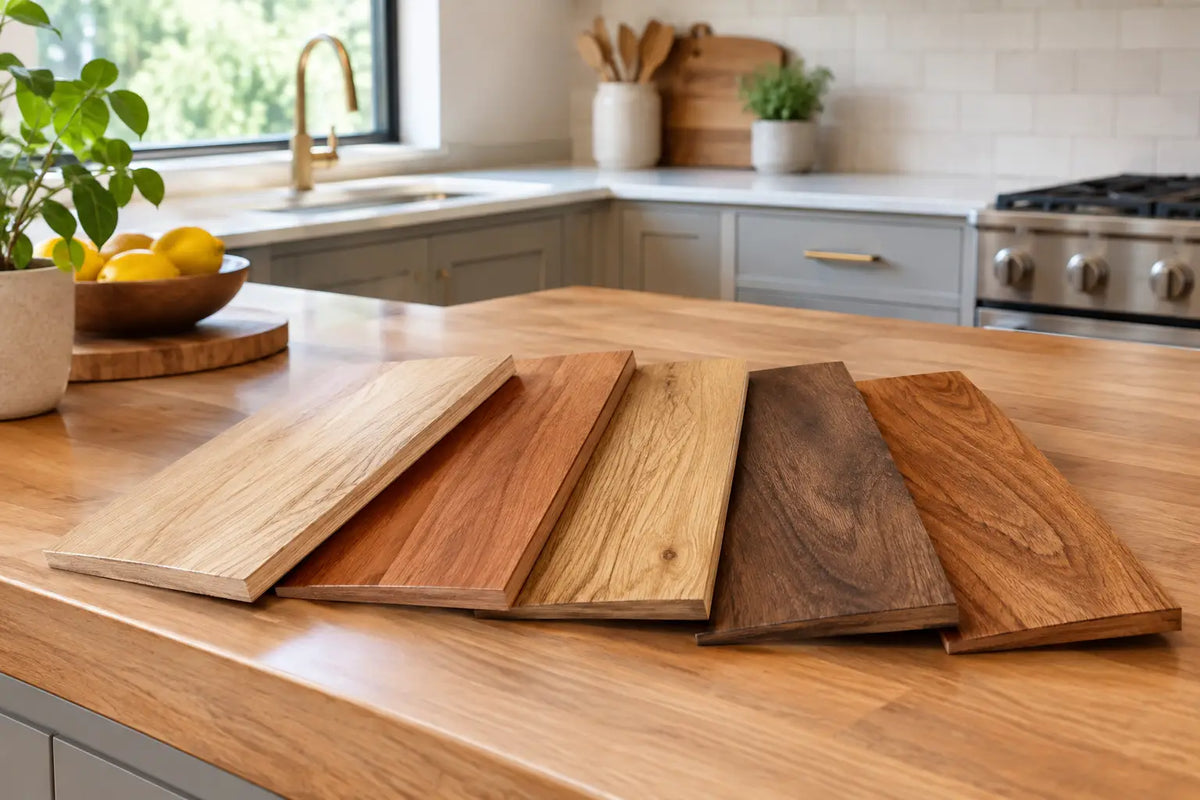
The best choice becomes clearer when you can compare full-size samples alongside your cabinets, countertops, and natural light. A knowledgeable flooring professional can also assess subfloor conditions, moisture considerations, and installation details before you commit. At FC Hardwood Floors, we believe that kind of guidance is part of making your house a home, not an extra step. Choose a wood you will enjoy using every day, then give it the craftsmanship and care it deserves.

Leave a comment
This site is protected by hCaptcha and the hCaptcha Privacy Policy and Terms of Service apply.