Commercial Flooring Maintenance Guide for Busy Teams
A lobby floor can make an impression before a customer reaches the front desk. It can also show every bit of tracked-in salt, rainwater, grit, and foot traffic by midafternoon. This commercial flooring maintenance guide is designed to help business owners and property managers protect the surfaces they have invested in while keeping their spaces clean, safe, and ready for the people who use them.
The right routine is not about using more products or spending every evening polishing floors. It is about matching care to the material, the traffic level, and the conditions in your building. A retail storefront, medical office, restaurant, and professional office may all have different needs, even when they use the same flooring product.
Start With the Enemies of Every Commercial Floor
Most commercial floor damage begins with small particles. Sand, gravel, and de-icing salt act like sandpaper under shoes, chair legs, carts, and rolling equipment. Over time, they can dull a finish, scratch wood and luxury vinyl, wear through protective layers, and make a well-maintained space look neglected.
Moisture is the second major concern. Water at an entryway can create a slip hazard, but it can also stain hardwood, seep into laminate seams, and affect the subfloor beneath nearly any material. In the Kansas City area, winter salt and slush deserve special attention, while spring rain can keep entry areas wet for days at a time.
Furniture movement, sunlight, cleaning chemicals, and improper mopping can also shorten a floor's life. The good news is that most of these issues are preventable with a clear plan and a team that knows what not to do.
Commercial Flooring Maintenance Guide: Build a Simple Schedule
A floor care schedule should be realistic enough to follow. If staff members are expected to perform maintenance, give them clear instructions and use products approved for the specific flooring type. If your building has a janitorial service, make sure its procedures match the manufacturer's care recommendations.
For most commercial spaces, a dependable routine includes four levels of care:
- Daily: Remove dry debris with sweeping, dust mopping, or vacuuming designed for hard surfaces. Address spills right away, especially near entrances, break rooms, restrooms, and service counters.
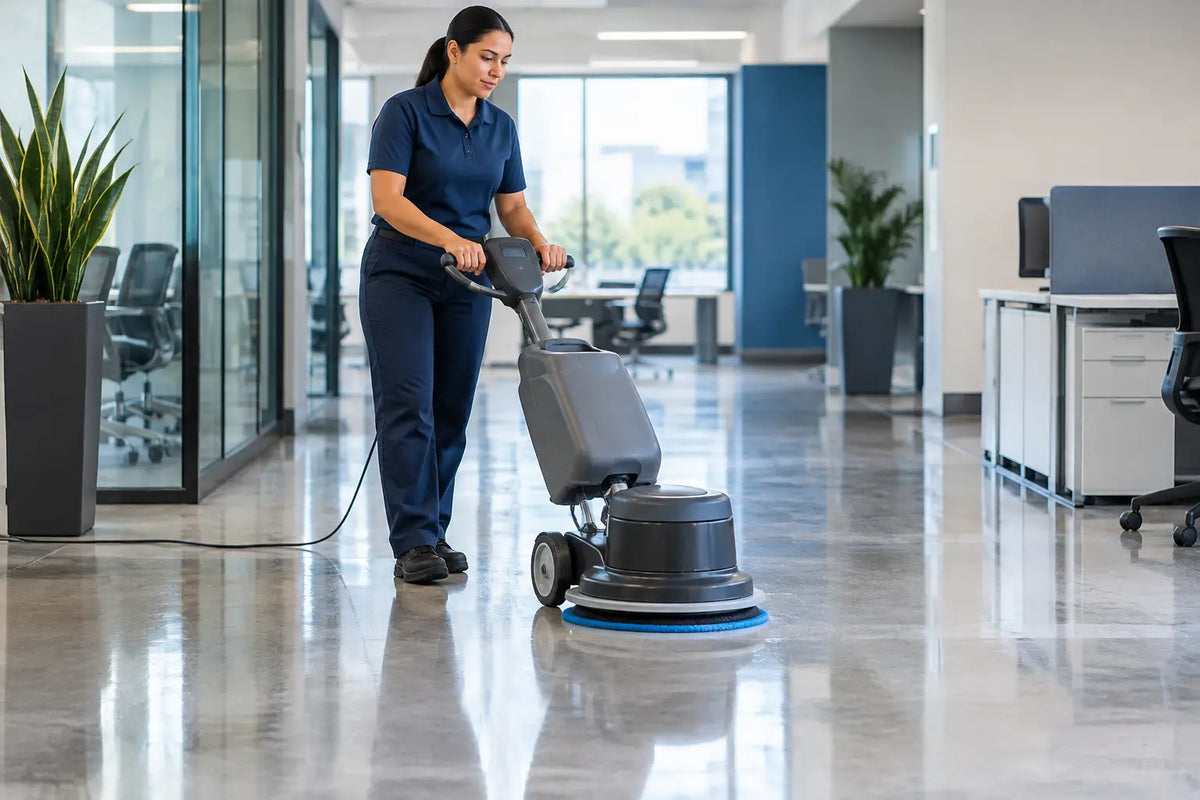
- Weekly: Damp mop or use the recommended mechanical cleaning method. Inspect high-traffic paths, entry mats, and areas under movable furniture.
- Monthly: Check for scratches, open seams, worn finish, moisture concerns, and damage caused by rolling chairs or equipment. Rotate or replace entry mats when they no longer trap debris effectively.
- Seasonally: Deep clean floors, review cleaning supplies, inspect protective pads and casters, and schedule professional service where needed.
Care for Hardwood Floors Without Wearing Down the Finish
Commercial hardwood brings warmth and credibility to offices, boutiques, hospitality spaces, and client-facing businesses. It is also a finish-driven surface, meaning its appearance depends heavily on protecting the finish from abrasion and moisture.
Use walk-off mats at every exterior entrance and keep them clean. A dirty mat cannot capture grit, and a saturated mat can transfer moisture back onto the floor. Place felt pads under furniture legs, use floor-safe chair mats where appropriate, and choose soft casters for rolling office chairs.
For routine cleaning, dry dust mopping is often the first line of defense. When damp mopping is needed, use a lightly damp microfiber mop and a wood-floor cleaner approved for the finish. Never soak a hardwood floor, leave standing water behind, or use a steam mop. Steam and excess moisture can force water into joints and may lead to cupping, finish failure, or discoloration.
Avoid waxes, oil soaps, abrasive powders, and general-purpose cleaners unless a flooring professional has confirmed they are suitable. These products can leave residue, create a cloudy appearance, or interfere with future recoating. When traffic patterns begin to look dull but the wood itself is still in good condition, a professional screen and recoat may restore protection before deeper refinishing becomes necessary.
Maintain Luxury Vinyl and Laminate With the Right Amount of Water
Luxury vinyl flooring is a strong choice for commercial spaces that need attractive design, easy cleaning, and dependable daily performance. It handles moisture better than hardwood, but it is not indestructible. Grit can still scratch the wear layer, heavy furniture can dent some products, and harsh chemicals can dull the surface.
Sweep or vacuum luxury vinyl regularly using a hard-floor setting without a beater bar. Damp mop with a pH-neutral cleaner intended for luxury vinyl, using only enough solution to clean the surface. Do not use abrasive scrub pads, wax-based polishes, or high-heat steam cleaning unless the product manufacturer specifically allows it.
Laminate requires even more care around moisture. Its protective surface is durable, but water that enters seams can cause swelling or edge damage that cannot be repaired with simple cleaning. Wipe spills promptly, use a well-wrung microfiber mop instead of a wet mop, and never flood-clean laminate. If your commercial space has frequent water exposure near an entrance, beverage station, or restroom, consider whether a different material would better fit the location.
Protect Entrances, High-Traffic Lanes, and Work Zones
Floors rarely wear evenly. The path from the front door to the reception desk, hallway corners, copier areas, checkout counters, and employee entrances usually show damage first. These areas deserve more attention than low-traffic conference rooms or private offices.
A layered mat system can make a meaningful difference. Exterior mats scrape off larger debris, while interior walk-off mats capture finer dirt and moisture. The matting needs to be long enough for several steps, securely placed to prevent curling, and cleaned on a regular schedule. A mat that slides or bunches creates its own safety concern.
In work zones, prevent damage before it happens. Put protective mats beneath rolling equipment when appropriate, add pads under furniture, and avoid dragging fixtures across the floor. When moving heavy items, use proper furniture sliders or lifting equipment rather than relying on cardboard, towels, or improvised methods that can scratch the surface.
Sunlight is another form of uneven wear. Window coverings, UV-filtering film, and occasional furniture rotation can reduce fading and color variation, especially on hardwood. The best solution depends on the floor material, the amount of direct light, and how much natural light your business wants to preserve.
Know When Routine Cleaning Is No Longer Enough
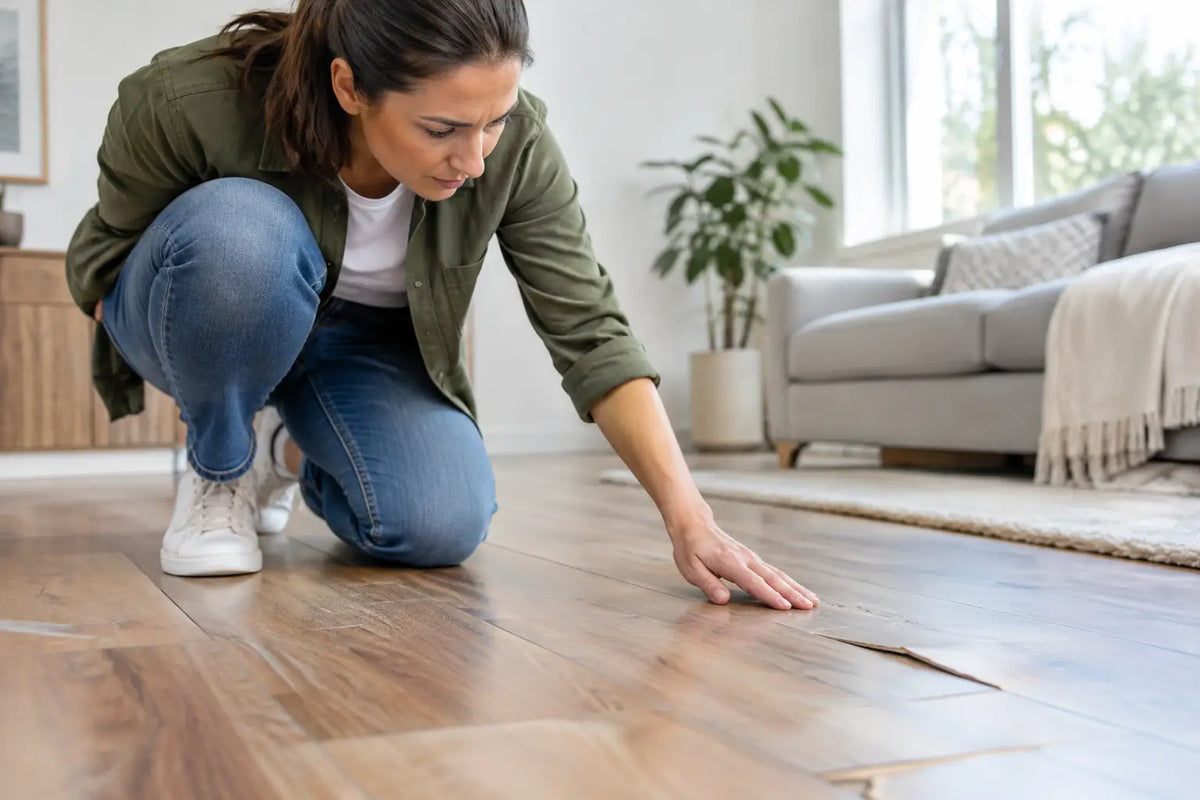
Cleaning keeps a floor presentable, but it cannot fix every problem. Persistent dullness, deep scratches, loose boards or planks, lifting edges, water stains, recurring seam gaps, and soft spots underfoot should be evaluated promptly. Waiting can turn a focused repair into a larger replacement project.
Hardwood floors can often be restored, depending on their thickness, condition, and previous refinishing history. Luxury vinyl and laminate may allow isolated plank or tile replacement when matching material is available. The right answer depends on the installation method, extent of damage, and whether moisture has affected the subfloor.
Professional guidance is especially valuable when a floor is failing in one area repeatedly. The visible problem may be a cleaning issue, but it could also point to an entryway drainage concern, unsuitable transition, subfloor movement, or an installation detail that needs correction.
Make Maintenance Part of Your Facility Plan
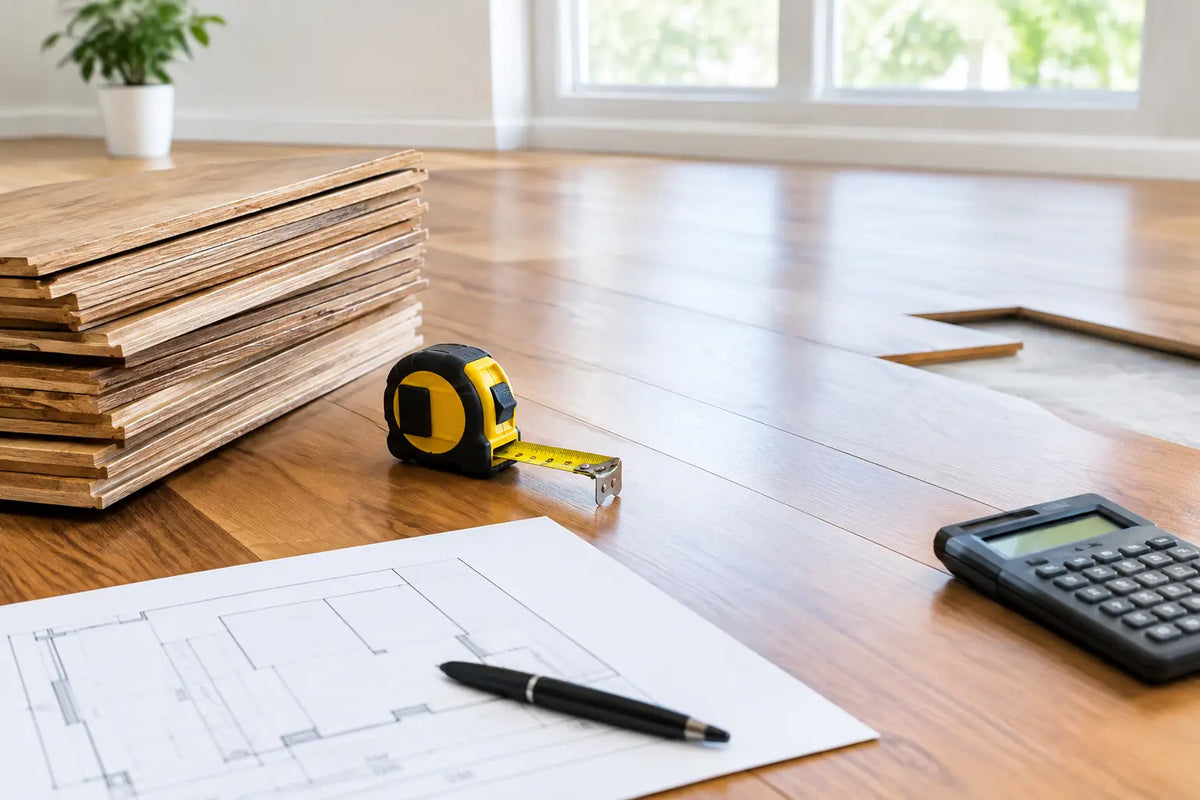
Floor maintenance works best when it is treated as an operating expense that protects a capital investment. Keep a record of the products used, major spills, repairs, and professional cleanings. This helps property managers spot patterns and gives flooring professionals useful context when assessing wear.
It also pays to train employees on the basics: clean spills promptly, do not drag furniture, report damaged mats, and use only approved cleaners. Those small habits protect appearance, reduce slip risks, and help flooring last longer between major service visits.
For businesses in Olathe, Overland Park, Lenexa, Leawood, Shawnee, and Kansas City, FC Hardwood Floors can help evaluate a worn commercial floor and recommend practical options for restoration, repair, or replacement. The best maintenance plan is one your team can actually maintain - and one that keeps your space looking as professional as the work happening inside it.

Leave a comment
This site is protected by hCaptcha and the hCaptcha Privacy Policy and Terms of Service apply.