Article: Commercial Flooring Installation Guide for Businesses
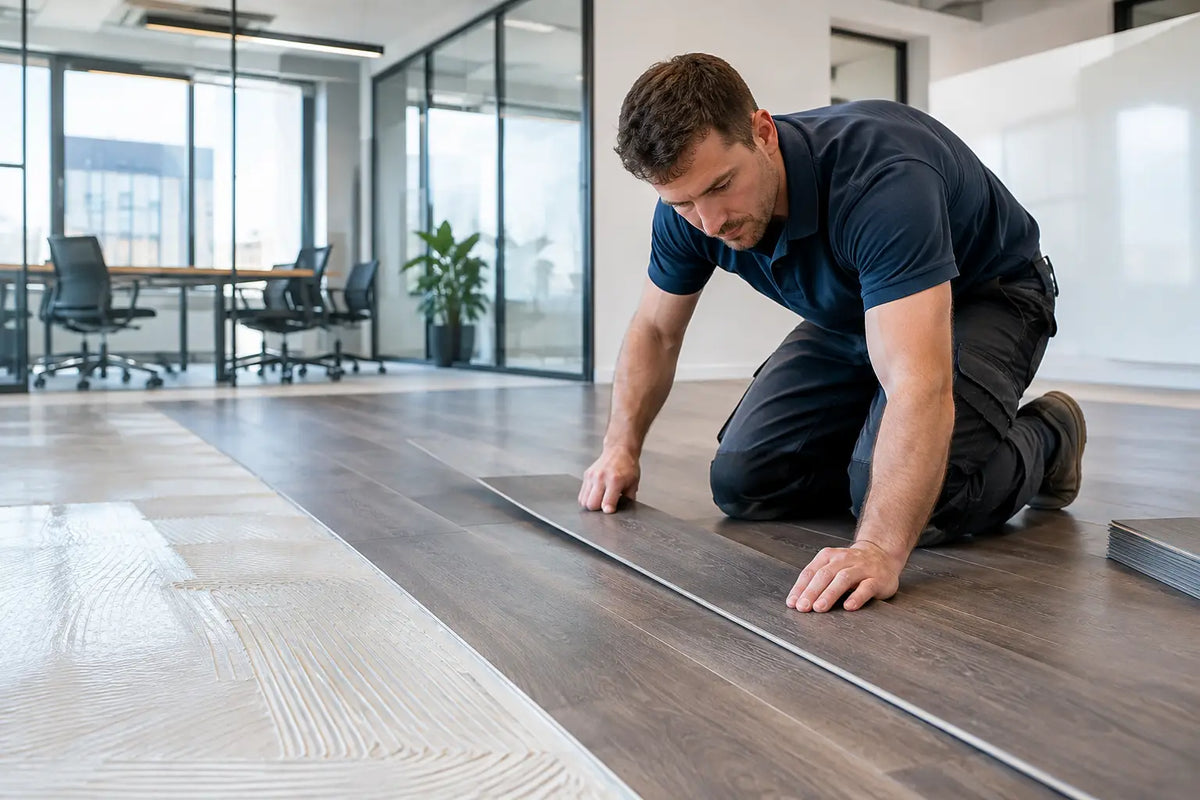
Commercial Flooring Installation Guide for Businesses
A commercial floor has to do more than look good on opening day. It needs to handle foot traffic, rolling loads, spills, cleaning routines, and the daily wear that comes with serving customers or supporting employees. This commercial flooring installation guide helps business owners and property managers plan a flooring project around performance, schedule, and long-term value - not just the product’s appearance.
For offices, retail spaces, restaurants, medical settings, and multifamily common areas, the right decision starts before installers arrive. Material selection, subfloor condition, access to the site, and realistic downtime all affect the finished result. A well-planned project protects your investment and helps your space return to normal with fewer surprises.
Start With How the Space Actually Works
Commercial flooring should be selected for the way the space is used, not just the look you want to create. A boutique retail shop and a busy medical office may both need a polished finish, but their flooring faces very different demands. Traffic volume, moisture exposure, cleaning products, furniture movement, and noise expectations should guide the conversation.
Think about the people and equipment using the floor every day. Entryways often need extra protection from water, salt, and grit brought in from outside. Hallways and service areas may see rolling carts, wheeled chairs, or deliveries. Break rooms, restrooms, and lobby areas need materials that can stand up to more frequent cleaning and occasional spills.
Your flooring also contributes to the customer experience. Hardwood can bring warmth and character to professional offices, hospitality spaces, and upscale retail environments. Luxury vinyl offers convincing wood or stone visuals with excellent moisture resistance and easy upkeep. Laminate can be a practical choice for dry commercial areas where a durable, budget-conscious surface is needed. The best option depends on your priorities, not a one-size-fits-all recommendation.
Choose Materials With Performance in Mind
The material you choose affects installation methods, maintenance needs, and the useful life of the floor. A professional consultation should weigh each of those factors alongside your design goals and budget.
Hardwood for lasting character
Commercial hardwood flooring creates a refined, welcoming atmosphere that many businesses value. It works especially well in offices, conference rooms, executive suites, retail spaces, and common areas where appearance matters. Hardwood can also be refinished, giving the floor a longer service life when it is properly maintained.
There are trade-offs. Natural wood reacts to moisture and humidity, so it is not the right fit for every environment. It also needs a finish and maintenance plan suited to the traffic level. In a space with heavy foot traffic, protective entry mats, regular cleaning, and prompt attention to spills make a meaningful difference.
Luxury vinyl for busy, practical spaces
Luxury vinyl plank and tile are popular in commercial projects because they offer versatile visuals, a comfortable feel underfoot, and strong resistance to everyday moisture. They can be an excellent fit for clinics, retail stores, offices, apartment common areas, and other spaces where quick cleaning is a priority.
Not all luxury vinyl products are made for the same level of use. Commercial wear-layer ratings, installation requirements, and warranty terms matter. A product that performs well in a low-traffic office may not be suitable for a busy storefront or a corridor with rolling equipment.
Laminate for durable style in dry areas
Modern laminate gives businesses a broad range of wood-look styles at an approachable price point. It resists scratches well and can be a smart option for offices, showrooms, and other dry spaces with moderate traffic. Its limitations are largely tied to moisture. Standing water and repeated wet cleaning can damage some laminate products, so it should be chosen carefully for areas near exterior entrances, sinks, or restrooms.
A Commercial Flooring Installation Guide Begins Below the Surface
The most attractive flooring product can still fail if the subfloor is not ready. Subfloor preparation is one of the most important parts of a commercial flooring installation, and it is often where hidden project issues are found.
Installers evaluate whether the subfloor is clean, dry, level, and structurally sound. Concrete moisture testing may be necessary before installing glue-down products, hardwood, or certain vinyl systems. Excess moisture can weaken adhesives, cause flooring to shift, or lead to cupping and other visible problems. Uneven areas may need patching, leveling compounds, or more extensive repair before the new floor goes down.
This stage can affect the project schedule and budget, but skipping it is rarely a savings. Addressing a moisture issue or damaged substrate before installation is far less disruptive than repairing a failed floor after your business is back in operation. Ask for a clear explanation of any preparation work recommended and why it is needed for your chosen material.
Plan the Project Around Business Operations
A commercial flooring project requires coordination. The goal is not simply to install a new surface quickly. It is to complete the work safely and efficiently while minimizing disruption to employees, tenants, customers, and neighboring businesses.
Before work begins, identify when the space can be unavailable. Some projects can be completed in phases, allowing one portion of an office or retail floor to remain in service while another is being installed. Others are best scheduled after hours, over a weekend, or during a planned closure. The right approach depends on the layout, material, adhesive cure times, and the amount of furniture or equipment involved.
Discuss access early. Installers need a path for materials, tools, and debris removal. In larger buildings, elevator availability, loading zones, building rules, and parking arrangements may affect timing. If furniture needs to be moved, decide who is responsible and what must be removed before the crew arrives. Clear rooms and clear expectations help keep the project on schedule.
It is also wise to account for odors, noise, dust, and curing time. Some adhesive systems require the area to stay off-limits for a period after installation. Sanding and refinishing hardwood may call for additional coordination, particularly in occupied buildings. A dependable flooring partner will explain these details before the project starts, not after your schedule has already been set.
Details That Protect the Finished Floor
Commercial flooring installation is more than laying planks or tiles across an open room. Transitions, trim, floor height changes, expansion space, and entry protection all influence how the completed project performs.
Doorways and connections between flooring types should be planned carefully to reduce trip hazards and create a finished appearance. In hardwood installations, proper expansion space allows the material to respond to seasonal changes. In vinyl and laminate projects, the correct underlayment, adhesive, or locking system must match the manufacturer’s requirements and the conditions of the site.
Entry mats deserve special attention. They trap dirt, moisture, and abrasive grit before it reaches the floor, which can reduce scratches and wear. Use mats that are appropriate for commercial entrances and maintain them regularly. Small preventive measures like this help preserve the investment long after installation day.
Set a Maintenance Plan Before You Reopen
A new commercial floor stays attractive longer when the cleaning routine matches the material. This is especially important for property managers and business owners who coordinate janitorial services. The wrong cleaner, excessive water, or abrasive tools can damage finishes and reduce the life of the floor.
Hardwood generally benefits from dry dust removal, prompt spill cleanup, and manufacturer-approved cleaning products. Luxury vinyl is often simple to maintain, but it should still be cleaned with products that will not leave a dulling residue. Laminate requires controlled moisture and quick attention to spills, especially around seams.
Make sure the people responsible for cleaning know what has been installed and how it should be cared for. Keep product information, maintenance recommendations, and warranty details in one accessible place. This small step can prevent avoidable damage during routine cleaning or tenant turnover.
Work With an Installer Who Communicates Clearly
Commercial flooring projects have moving parts, and communication is part of quality workmanship. A reliable installer should help you compare materials, review the condition of your existing floor, explain preparation needs, and provide a realistic installation timeline. You should understand what is included in the estimate, what could change if concealed conditions are found, and when the space can be used again.
For businesses in Olathe, Overland Park, Lenexa, Leawood, Shawnee, and Kansas City, working with a local, hands-on team can make coordination easier. At FC Hardwood Floors, we believe affordable luxury means helping you make a confident choice without losing sight of the demands your commercial space faces.
The right floor should support your business quietly every day: welcoming customers, standing up to traffic, and giving your space a finish you are proud to show. Start with an honest assessment of the space, request samples when appearance is a key decision, and build the installation schedule around how your business needs to operate.


Leave a comment
This site is protected by hCaptcha and the hCaptcha Privacy Policy and Terms of Service apply.