Is Floor Replacement Return on Investment Worth It?
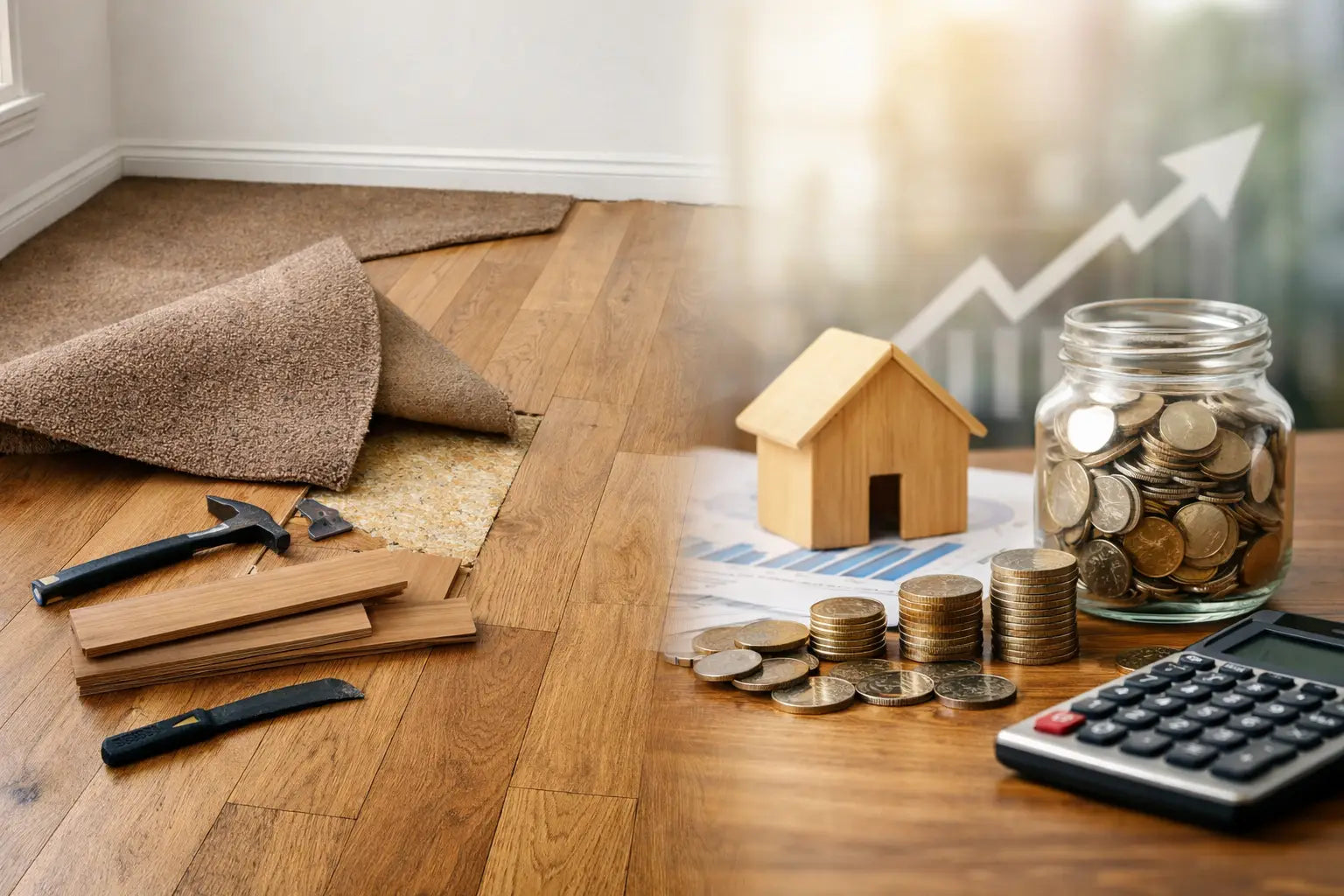
A worn floor can make an otherwise well-kept home feel dated the moment someone walks in. That is why floor replacement return on investment is about more than a resale percentage. The right new flooring can improve daily comfort, reduce maintenance headaches, support a higher asking price, and help buyers see your home as cared for rather than as a list of future projects.
For homeowners in the Kansas City area, the best return usually comes from choosing a floor that fits the home, the neighborhood, and the way the space is actually used. A beautiful product that cannot stand up to pets, children, moisture, or heavy traffic is rarely the best investment. Lasting value comes from a smart material choice and professional installation.
What Return on Investment Means for Flooring
Return on investment, or ROI, compares what you spend on a project with the value it gives back. With flooring, that value can show up in two ways: a stronger resale position and a better experience while you live or work in the space.
A replacement floor does not always return every dollar immediately in a home sale. Very few remodeling projects do. Still, floors have an outsized effect because they cover so much visual space. Buyers notice them quickly, and damaged carpet, scratched surfaces, mismatched rooms, or outdated colors can create the impression that a property needs more work than it actually does.
For a homeowner planning to stay put for several years, the calculation is broader. If a durable floor eliminates frequent repairs, makes cleaning easier, and gives your family a room you enjoy using, that benefit has real value even before a future sale. For a commercial property, dependable flooring can also reduce downtime and help maintain a polished environment for customers, tenants, or staff.
The Factors That Shape Flooring ROI
There is no single ROI number that applies to every home. The condition of the existing floor is often the first consideration. Replacing a floor that is buckled, stained, heavily worn, or difficult to clean typically has a stronger payoff than replacing a surface that is still in good condition simply to follow a trend.
Location and neighborhood expectations matter, too. In many established homes throughout Olathe, Overland Park, Leawood, and nearby communities, hardwood remains a highly desirable feature. Buyers often appreciate its natural character, longevity, and ability to be refinished. In a busy family home, however, luxury vinyl may be the more practical choice for kitchens, entryways, basements, and spaces where moisture resistance matters.
The scope of the project also affects the return. Updating flooring throughout main living areas can create a cohesive look that buyers remember. Replacing just one small room may still be worthwhile when it solves a visible problem, but it will not transform the overall impression in the same way. Consistent flooring or well-planned transitions between materials tend to look more intentional and more valuable.
Finally, installation quality plays a major role. Gaps, uneven transitions, poorly prepared subfloors, and rushed details can undermine even premium materials. A floor should look right on day one and perform well for years. That requires careful measuring, moisture considerations, proper preparation, and finishing work that respects the home.
Which Flooring Choices Deliver the Best Value?
Hardwood: Long-Term Appeal and Refinishing Potential
Hardwood floors have a reputation for value because they are durable, timeless, and repairable. Unlike many surfaces that must be replaced once they wear out, solid hardwood can often be sanded and refinished. That gives homeowners flexibility when tastes change or when normal wear begins to show.
Hardwood is especially compelling in living rooms, dining rooms, bedrooms, and hallways. It works well in homes where buyers expect a premium finish, and it can make an older home feel refreshed without losing its character. The trade-off is that hardwood generally costs more upfront and needs the right care. It is not always the best choice for below-grade basements or areas with frequent water exposure.
If existing hardwood is structurally sound, restoration may offer a better return than full replacement. Refinishing can remove surface scratches, update the stain color, and bring back a clean, even appearance at a lower cost than installing a new floor.
Luxury Vinyl: Practical Performance With Strong Visual Impact
Luxury vinyl plank and tile have become popular for good reason. Today’s options can closely resemble wood or stone while providing water resistance, comfortable underfoot performance, and straightforward maintenance. For households with active kids, pets, or frequent guests, that practicality can be a major part of the value.
Luxury vinyl is often a strong choice for kitchens, laundry rooms, lower levels, and high-traffic areas. It can also make sense when a homeowner wants a consistent look across several rooms without stretching the budget for hardwood everywhere. The material may not carry the same long-term prestige as genuine hardwood in every market, but a well-selected, professionally installed luxury vinyl floor can be a meaningful improvement over worn carpet or dated sheet flooring.
Laminate: A Budget-Conscious Upgrade When Used Wisely
Laminate can provide a clean, attractive wood-look finish at an accessible price point. It is a practical option for homeowners focused on updating an appearance before selling, or for rooms that need a durable surface without the cost of hardwood.
The key is selecting a quality product appropriate for the room. Laminate is not the right answer for every moisture-prone space, and lower-grade products can show wear sooner than better options. When budget is the deciding factor, it is often wiser to install a dependable laminate correctly in the right areas than to choose a material that is not designed for the conditions.
Avoid Overimproving for Your Market
The most expensive floor is not automatically the most profitable one. A custom, high-end hardwood installation may be a wonderful choice for your personal enjoyment, but it may not produce a matching resale premium if it is far above what similar homes in the area offer.
That does not mean homeowners should choose the cheapest available option. It means the project should be proportionate. Consider the age and style of the home, the price range of nearby properties, and the room’s purpose. A practical mid-range luxury vinyl floor may make better financial sense in a rental property, while restored hardwood may be the feature that helps a character home stand apart.
Color is another place where restraint pays off. Very bold stains and highly specific patterns can appeal to a small group of buyers. Warm neutrals, natural wood tones, and classic layouts usually offer broader appeal. You can still bring personality into the home with rugs, furnishings, and wall color without making the flooring a barrier for future buyers.
How to Plan a Higher-Return Floor Replacement
Start by defining the reason for the project. Are you preparing to sell within the next year, resolving damage, remodeling for your family, or improving a commercial space? Your timeline and goal should guide the product recommendation.
Next, look below the surface. Subfloor condition, moisture levels, uneven areas, and old adhesive can affect both cost and performance. An accurate estimate should account for necessary preparation instead of treating it as an afterthought. Addressing these issues properly protects the investment and helps prevent problems such as squeaks, movement, or premature wear.
It also helps to compare materials in person. Samples let you see how a color works with your cabinets, trim, and natural light. A floor can look different under showroom lighting than it does in a sunny living room or a north-facing bedroom. Consider texture as well as color, especially if pets or everyday traffic make scratch resistance a priority.
Professional guidance can keep the project focused on value instead of guesswork. FC Hardwood Floors helps homeowners weigh material performance, style, installation needs, and budget so the finished floor feels like an upgrade in every sense. A clear estimate and thoughtful product selection make it easier to invest with confidence.
The best flooring decision is the one that improves how your space works now while remaining easy for the next owner to appreciate. Choose a surface built for your real life, install it with care, and you will create value that lasts well beyond the day the project is complete.


Leave a comment
This site is protected by hCaptcha and the hCaptcha Privacy Policy and Terms of Service apply.