Are Hardwood Floors Worth the Cost for Your Home?
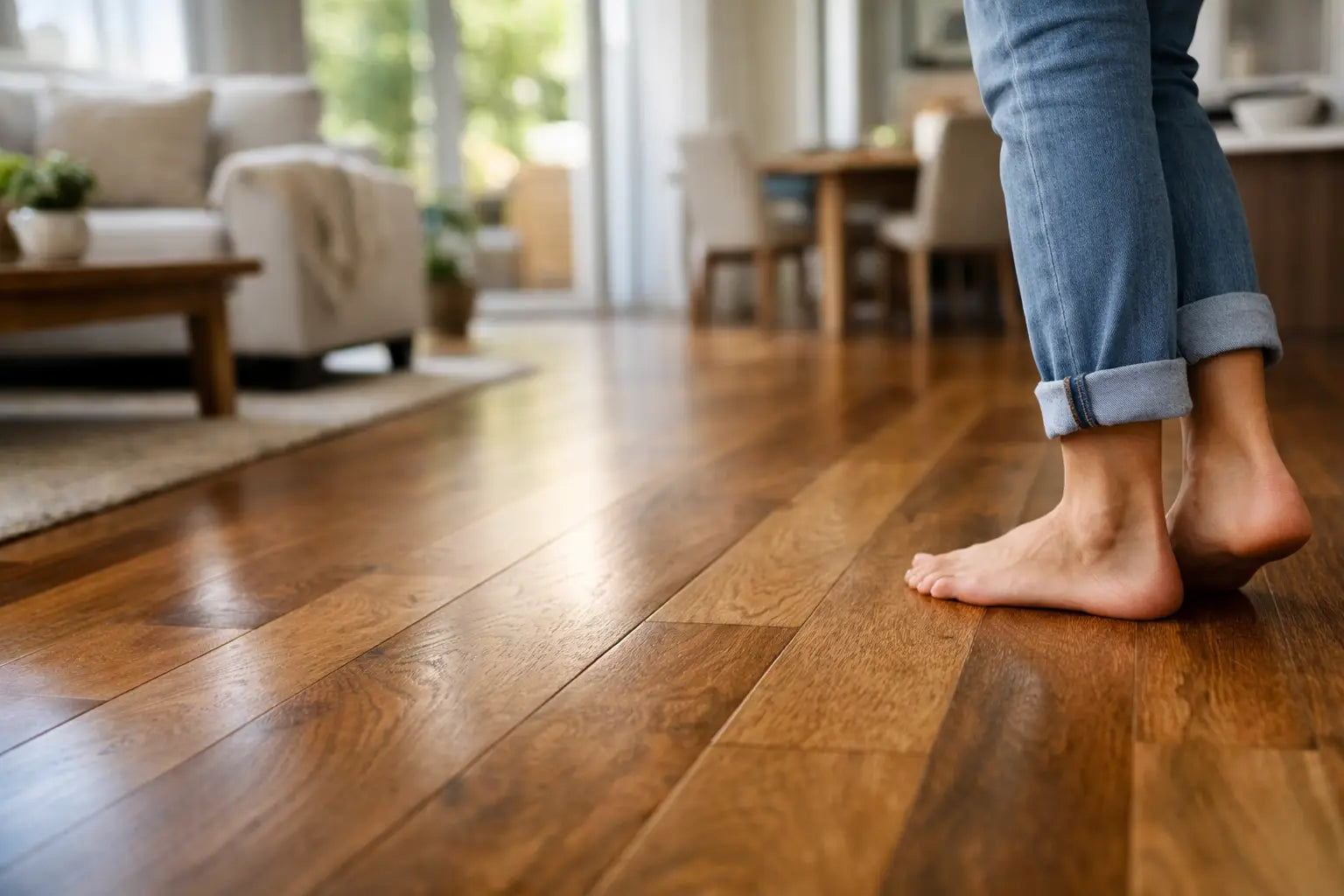
A floor can change the way a room feels before you replace a single piece of furniture. For homeowners planning a remodel or replacing worn flooring, the question is straightforward: are hardwood floors worth the cost? In many homes, yes - but the best answer depends on the room, the household, the condition of the subfloor, and how long you expect to stay in the home.
Hardwood is not the least expensive flooring option upfront. It is, however, one of the few surfaces that can be restored instead of simply replaced. When chosen thoughtfully and installed correctly, it offers warmth, durability, and long-term value that lower-cost products may not match.
Are Hardwood Floors Worth the Cost? Start With the Long View
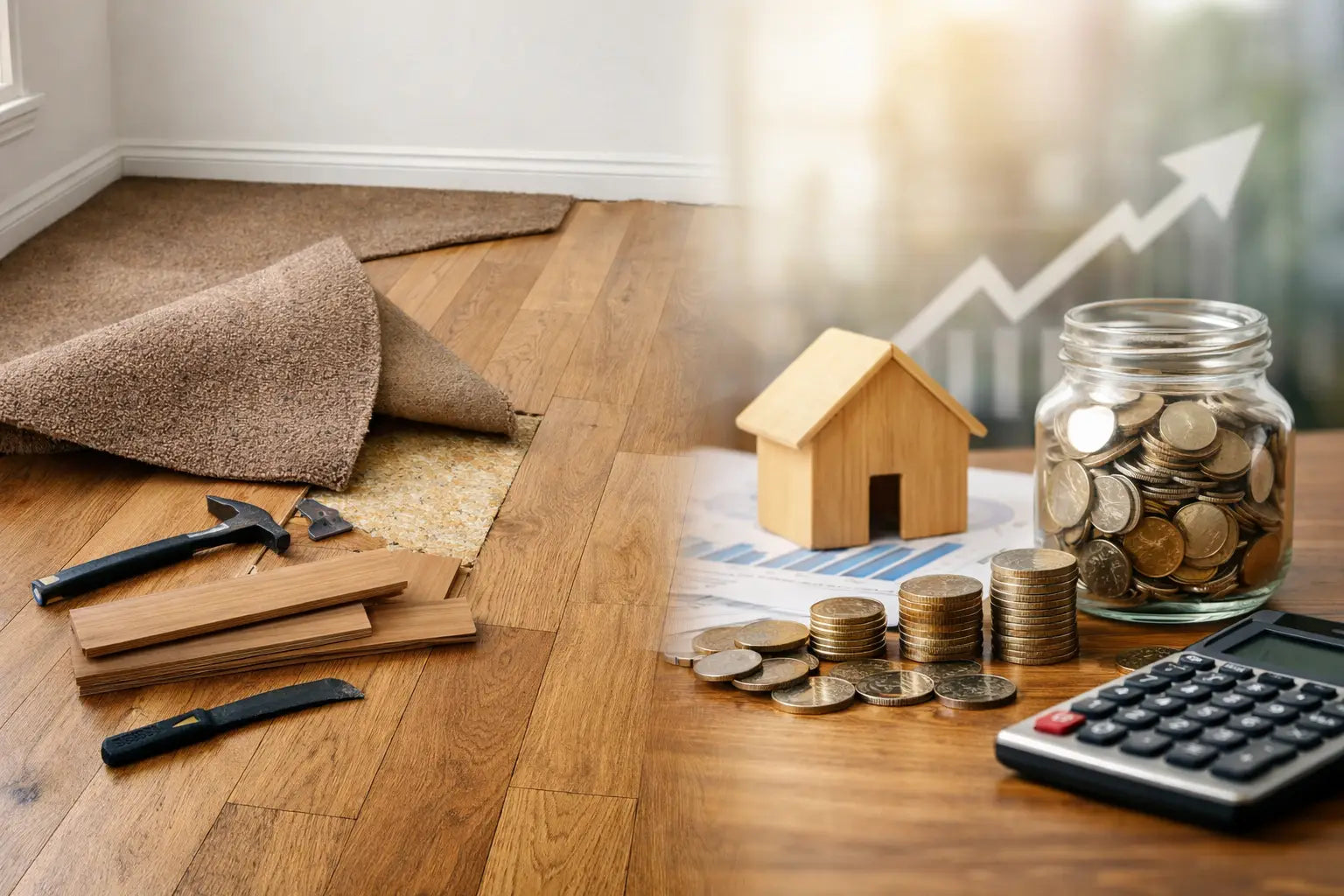
The initial price of hardwood includes more than the planks themselves. A complete project may involve removing existing flooring, preparing or repairing the subfloor, installing the material, adding trim, and applying a finish. The total will vary based on the wood species, plank width, layout, site conditions, and the amount of detail required.
That larger upfront investment makes more sense when you consider the life of the floor. Quality solid hardwood can last for decades, often through multiple design changes and generations of homeowners. It can be sanded and refinished when the surface becomes dull, scratched, or dated. Rather than tearing out the entire floor, you may be able to refresh its color and finish while keeping the material already in place.
This is where hardwood earns its reputation as an investment. A budget floor may cost less today, but if it needs full replacement after years of traffic, moisture exposure, or changing style preferences, its lifetime cost can be higher than expected. Hardwood is not maintenance-free, but it gives homeowners more options over time.
What You Are Paying For
Hardwood's value comes from a combination of appearance, performance, and repairability. Natural grain variation gives each floor character, whether you prefer a clean, contemporary white oak look or the richer tone of hickory or walnut. It also works across a wide range of design styles, making it less likely to feel tied to one passing trend.
Durability matters just as much. Harder species tend to perform well in busy spaces, while a quality finish helps protect the surface from normal daily wear. Small dents and scratches can still happen, especially with active kids, pets, or heavy furniture. The difference is that many signs of use add character, and more significant wear can often be addressed through refinishing.
Professional installation also protects the investment. Wood responds to humidity, so it needs time to acclimate and proper spacing around the room. Subfloor flatness, moisture testing, transitions, and finish work all affect how the floor looks and performs. A skilled installation team helps prevent avoidable problems such as gaps, squeaks, cupping, or uneven boards.
Solid Hardwood vs. Engineered Hardwood
Both solid and engineered hardwood can be excellent choices, but they serve different needs. Solid hardwood is made from one piece of wood and can usually be refinished several times. It is a strong fit for living rooms, bedrooms, hallways, and other areas above grade where long-term restoration is a priority.
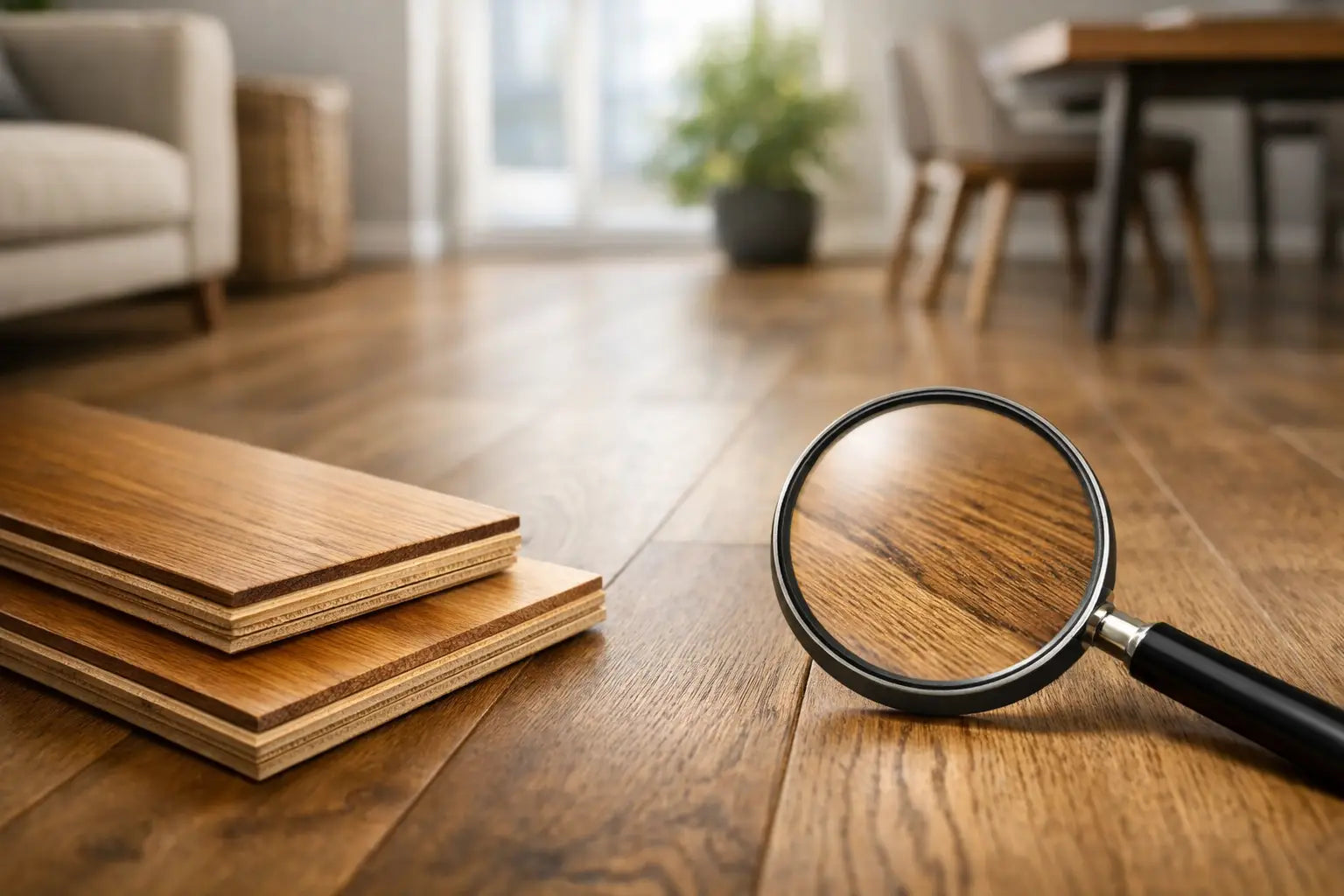
Engineered hardwood has a real hardwood veneer over a stable layered core. Its construction can make it a practical option for certain environments, including spaces where changes in humidity are more of a concern. Depending on the thickness of its top layer, engineered flooring may also be refinished, though usually fewer times than solid hardwood.
The right choice is not automatically the most expensive one. It is the one that fits the room, the home’s conditions, and the level of maintenance you are comfortable providing.
The Value Beyond the Floor Itself
Hardwood has broad appeal because it creates a finished, cohesive look throughout a home. It can make smaller rooms feel more open, complement a wide range of cabinet colors and furniture styles, and provide a neutral foundation when your taste changes. For homeowners considering resale, that flexibility is meaningful.
No flooring project can guarantee a specific return at sale, and local market conditions always matter. Still, hardwood is widely recognized by buyers as a premium feature. A well-maintained hardwood floor can make a home feel more established and move-in ready than a home with heavily worn carpet or dated sheet flooring.
There is also a practical benefit for households managing allergies and routine cleaning. Unlike carpet, hardwood does not trap the same amount of dust, pet hair, and everyday debris. Regular sweeping or vacuuming with a floor-safe setting, plus occasional cleaning with an approved wood-floor product, is usually enough to keep it looking good.
When Hardwood May Not Be the Best Use of Your Budget
An honest flooring recommendation should include the trade-offs. Hardwood is not ideal for every room. Full bathrooms, for example, face repeated water exposure and humidity that can damage wood over time. Laundry rooms, mudrooms, and below-grade areas may also call for a more moisture-resistant material depending on how the space is used.
Luxury vinyl can be a smart alternative in areas where spills, wet shoes, pets, or frequent cleaning are part of daily life. Laminate may also offer an attractive, cost-conscious option for certain projects. These products can provide the look of wood with different performance benefits and a lower initial price point.
Hardwood may also be harder to justify if you plan to sell very soon and the existing floor is serviceable. In that situation, professional restoration or a targeted repair could deliver a stronger result than a full replacement. The goal is not to install hardwood everywhere. It is to put the right flooring in the right place.
Questions to Ask Before You Commit
Before selecting a species or finish, think through how the room actually functions. Consider whether the space gets direct sunlight, whether dogs regularly run through it, and whether it connects to an exterior door. Think about your desired look, but also how much variation, texture, and visible wear you are willing to live with.
It is also wise to ask what is underneath the current flooring. Existing hardwood may be a candidate for restoration, while an uneven or damaged subfloor may need preparation before new material can be installed. An in-home assessment provides a clearer picture than a price-per-square-foot estimate alone.
How to Make a Hardwood Investment Last
A few habits go a long way. Use entry mats to catch grit and moisture, add felt pads under furniture legs, and clean up spills promptly. Avoid soaking the floor with water or using harsh products that can leave residue or weaken the finish.
For homes with pets and children, choose a finish and color with real life in mind. A highly glossy, very dark floor can show scratches and dust more readily than a matte or satin finish with natural variation. Wider planks and textured surfaces can be forgiving choices as well, depending on the look you want.
When wear becomes noticeable, do not assume replacement is the only answer. Screen-and-recoat services can refresh some floors without full sanding, while deeper scratches, color changes, and major wear may call for refinishing. Knowing the floor can be renewed is part of what makes hardwood different.
A Better Way to Decide
Hardwood is worth the cost when you value a lasting material, want a floor that can be renewed, and have rooms suited to wood’s natural performance. It is especially compelling for homeowners who plan to enjoy their space for years and want a surface that adds warmth without limiting future design choices.
The best next step is to compare real samples in your home, under your lighting, alongside your cabinets and furnishings. At FC Hardwood Floors, we help homeowners across the Kansas City area weigh hardwood, restoration, laminate, and luxury vinyl options with clear guidance and a free estimate. The right floor should feel like affordable luxury, not a decision you have to second-guess.

Leave a comment
This site is protected by hCaptcha and the hCaptcha Privacy Policy and Terms of Service apply.