

Flooring Estimate Guide for Smart Homeowners
A flooring quote should make the project feel clearer, not leave you wondering what was left out. This flooring estimate guide homeowners can use will help you read the numbers, compare proposals fairly, and plan for the details that affect both your budget and your finished floor. Whether you are replacing worn carpet, restoring hardwood, or choosing luxury vinyl for a busy kitchen, the best estimate starts with a close look at your actual space.
What a Flooring Estimate Should Include
A reliable estimate is more than a price per square foot. Square footage is the starting point, but the condition of the home, the flooring material, and the installation method all shape the final investment. An in-home visit gives your flooring professional the chance to measure rooms, inspect the subfloor, check transitions, and identify concerns before work begins.
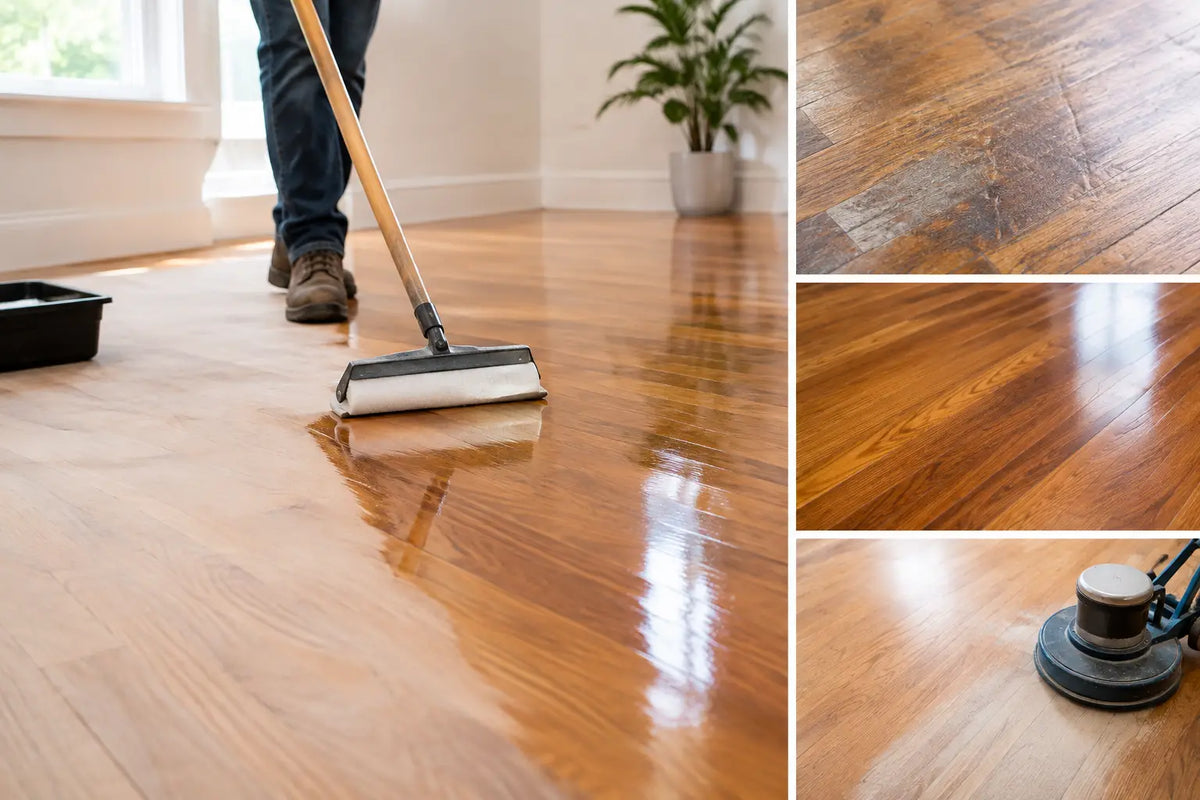
Your written estimate should clearly separate the major parts of the job: flooring materials, installation labor, removal and disposal of existing flooring, underlayment or moisture protection, trim work, and any needed floor preparation. If hardwood is being refinished, it should also identify repairs, sanding, stain, finish coats, and any furniture-moving arrangements.
Clarity protects everyone. A low initial number can look appealing until necessary prep work, demolition, or finishing materials show up as additions later. A detailed proposal lets you see what you are paying for and why it belongs in the project.
Materials and the Amount Ordered
The material line should state the product type, color or finish, thickness when relevant, and the amount being supplied. Flooring is not ordered only by the room's usable square footage. Installers typically account for waste caused by cuts, room shapes, pattern direction, closets, and future repair needs.
A straightforward rectangular room may require less extra material than a home with angled walls, staircases, several doorways, or a diagonal hardwood layout. That waste allowance is not automatically a red flag. It is part of planning for a clean installation without coming up short near the end.
Ask whether the estimate includes all material needed to complete the floor, including transition pieces, stair noses, reducers, quarter round, shoe molding, adhesives, nails, underlayment, and moisture barriers. These smaller components help create a finished appearance and can add up when they are missing from a quote.
Labor Is More Than Laying Planks
Professional installation labor covers the skilled work that makes flooring perform as it should. Depending on the material and room, that can include layout planning, cutting around casings, securing the floor correctly, fitting transitions, and protecting adjoining areas.
Hardwood installation may require acclimation time so boards adjust to the home's environment before installation. Glue-down products require careful subfloor preparation and the right adhesive. Luxury vinyl and laminate depend on a flat, clean base and correctly sized expansion gaps. Each material has different requirements, which is why two rooms of the same size may not cost the same to install.
If one estimate is far lower than another, compare the labor scope before assuming you are getting the same service. Find out who will perform the installation, whether installation standards follow the product manufacturer's requirements, and what workmanship support is provided after the job is complete.
The Site Conditions That Change Your Cost
Most homeowners focus first on the visible flooring choice. The less visible conditions underneath it often have the greater effect on the estimate. A trusted contractor will identify these factors early, explain them in plain language, and avoid making promises before seeing the space.
Existing Flooring Removal and Disposal
Removing old carpet, tile, vinyl, laminate, or hardwood takes time and may require special handling. Carpet and pad are often quicker to remove than bonded flooring or ceramic tile. Tile demolition can create substantial dust and debris, while older flooring may conceal adhesive or an uneven base below.
Removal should be listed separately when possible. That makes it easy to understand whether you are comparing installation-only pricing with a full-service project that includes tear-out and disposal.
Subfloor Repair and Leveling
New flooring needs a stable, appropriately flat surface. Uneven areas, squeaks, water damage, loose plywood, high spots, and cracks can affect the appearance and lifespan of the new floor. Some issues are visible during the estimate; others become clear only after old flooring is removed.
This is one area where a good estimate may include an allowance or explain that repairs are priced if discovered. That is not a vague answer when it is handled transparently. It recognizes that no contractor can see through existing tile or carpet. Ask what conditions would trigger an added charge, how you will be notified, and whether approval is required before additional work starts.
Moisture, Height, and Transitions
Basements, concrete slabs, kitchens, entries, and below-grade spaces can require moisture testing or a moisture-control system. Skipping that step to reduce the price can put a new floor at risk, particularly with hardwood and certain laminate products.
Floor height matters, too. A thicker new floor can affect doors, appliances, stair connections, and the transition into nearby rooms. Your estimate should address where those height changes occur and whether doors need trimming or transitions need to be added. These details are small on paper but noticeable every day in your home.
How to Compare Flooring Estimates Fairly
Do not compare the total at the bottom of two estimates until you have compared the scope above it. One proposal may include premium materials, removal, baseboard work, and subfloor preparation while another includes only the flooring boxes and basic installation.
Start by confirming that each estimate covers the same rooms and measurements. Then compare the specific product, product grade, installation method, prep work, trim and transition details, removal, and warranty terms. A quote for engineered hardwood is not equal to one for solid hardwood simply because both say “wood floor.” Likewise, a luxury vinyl product with a thicker wear layer may provide better long-term performance in an active household than a lower-priced alternative.
Be cautious with an estimate that provides little detail or relies only on a phone measurement. A ballpark figure can be useful early in the process, but final pricing should be based on the home itself. This is especially true in older Kansas City-area homes, where floor levels, previous renovations, and original hardwood can create opportunities and complications that are hard to predict remotely.
Questions to Ask Before You Approve the Work
A conversation with your flooring professional should leave you comfortable, not pressured. Before signing, ask when materials will be ordered, how long they need to acclimate, what rooms need to be cleared, and how the work area will be protected. Confirm the expected schedule, including any drying or curing time that affects when you can walk on the floor or move furniture back.
You should also ask what happens if hidden damage is found, who is responsible for moving appliances or furniture, and whether painting or other remodeling should happen before or after the flooring work. Flooring is often one part of a larger project, so timing matters. Installing a finished hardwood floor before a dusty cabinet or drywall project can create avoidable risk.
For restoration work, ask how repairs will blend with the existing floor, whether stain samples can be tested, and what level of variation is realistic. Older hardwood carries character, and matching new boards to aged boards is an art as much as a process. An honest answer is more valuable than a guarantee that every board will look identical.
Choose Value That Holds Up at Home
The right flooring decision is rarely just the cheapest material or the lowest bid. It is the combination of a floor that suits your household, skilled installation, clear expectations, and a price that accounts for the work required to do it well. Hardwood may be a strong long-term choice for living spaces and can often be restored years later. Luxury vinyl may make more sense for a mudroom or active family area where water resistance and easy care lead the conversation. Laminate can offer a durable, attractive option when budget is a priority.
At FC Hardwood Floors, a free estimate is designed to give homeowners that practical clarity: what your space needs, which options fit your goals, and what is included before work begins. Bring your questions, compare the details, and choose a flooring plan that will make your house feel more like home for years to come.


Leave a comment
This site is protected by hCaptcha and the hCaptcha Privacy Policy and Terms of Service apply.