
Best Flooring for Finished Basements: 6 Smart Picks
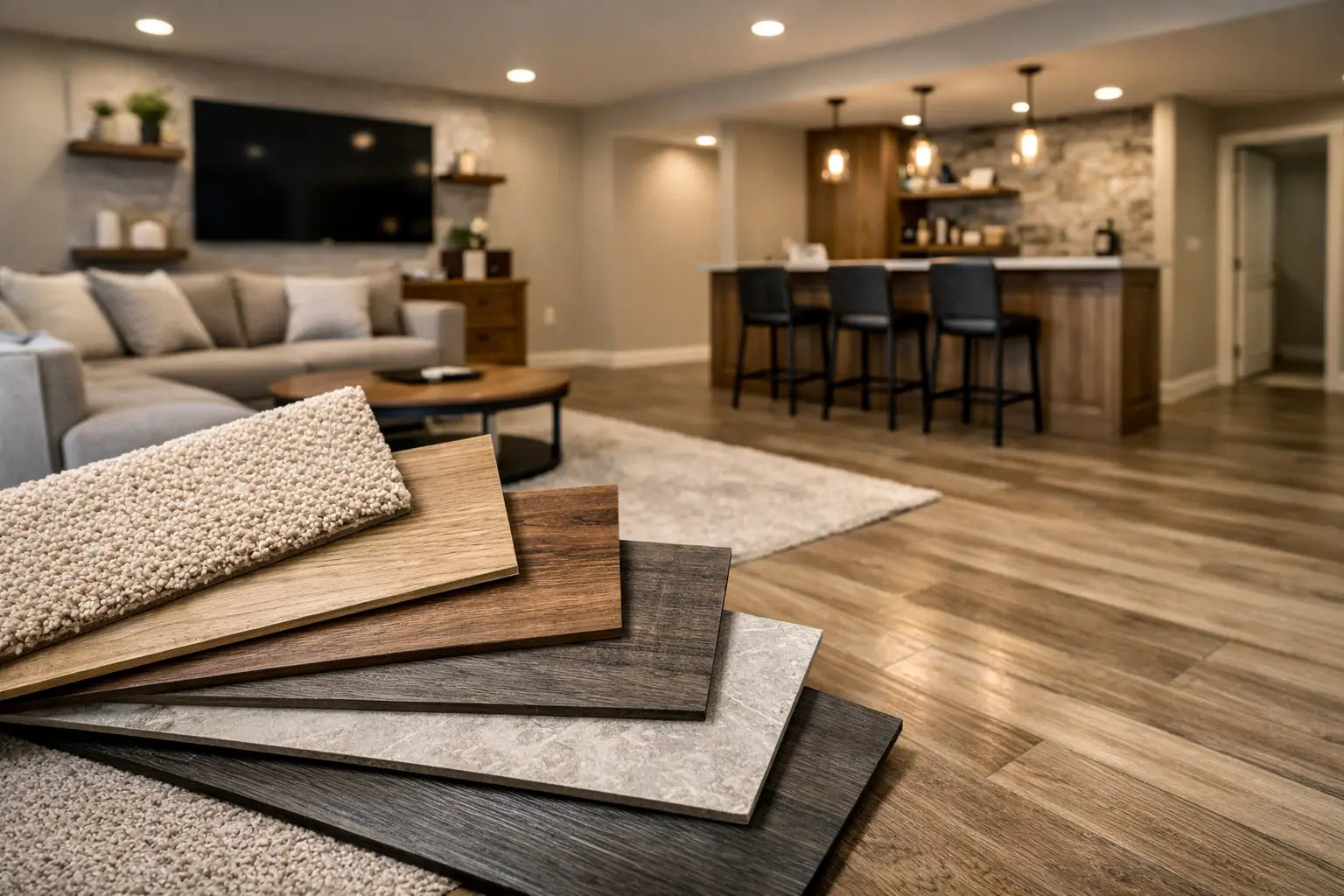
A finished basement can become the most flexible room in your home - a family movie room, play space, guest suite, home gym, or office. But below-grade spaces ask more of a floor than rooms upstairs. The best flooring for finished basements must look good and feel comfortable while standing up to moisture, temperature changes, and heavy everyday use.
For Kansas City-area homeowners, the right choice starts with an honest look at the basement itself. A floor that works beautifully in a dry, climate-controlled lower level may not be the right fit for a basement with occasional seepage, high humidity, or a history of plumbing leaks. Choosing well before installation protects both your investment and the comfort of the room.
What Basement Flooring Needs to Handle
Basements are naturally more vulnerable to moisture because they sit below ground. Water vapor can move through a concrete slab even when the surface appears dry, and seasonal weather can affect humidity levels. That does not mean a finished basement is limited to cold, commercial-looking materials. It does mean the floor needs to be selected and installed with the conditions in mind.
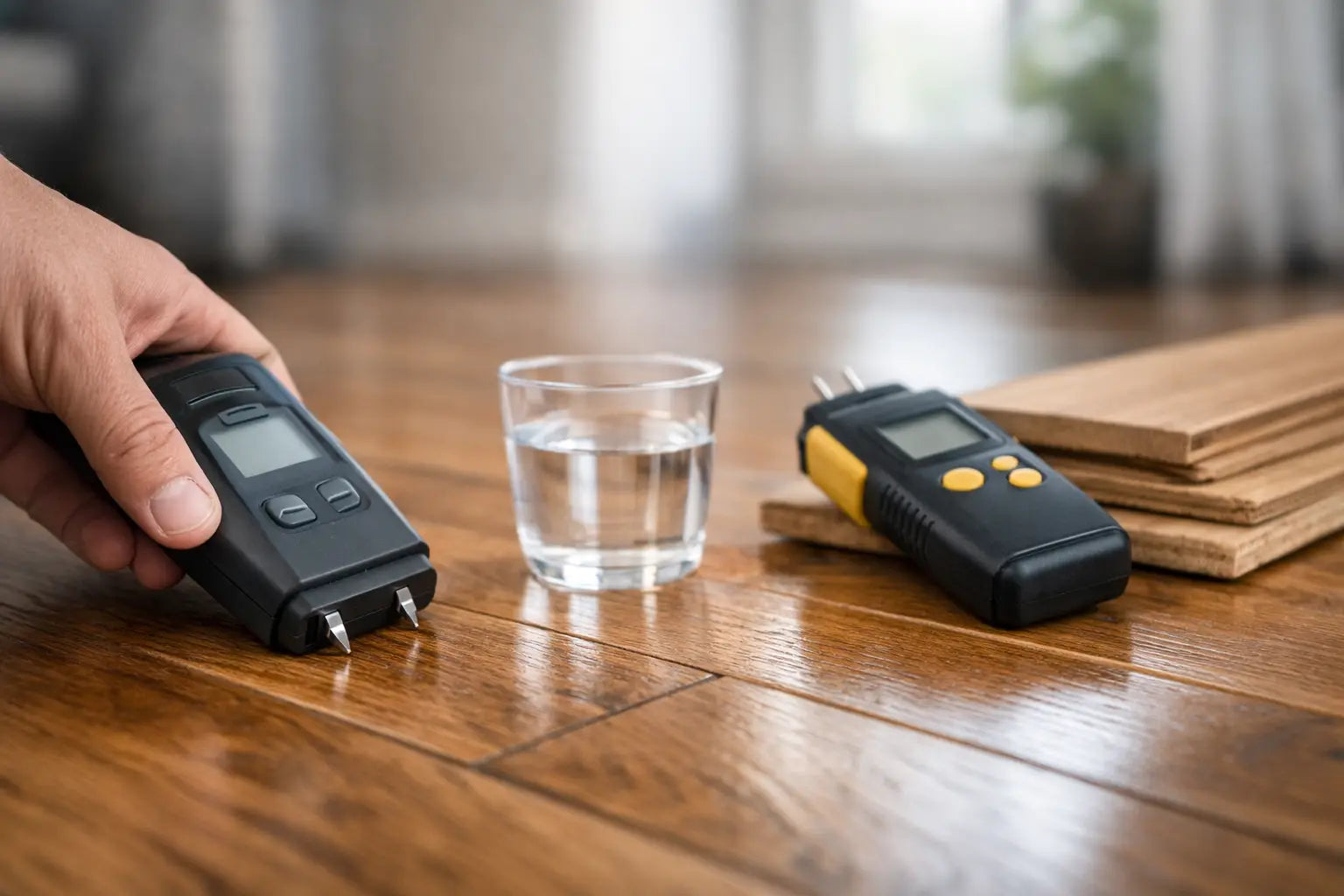
Before choosing a product, inspect for musty odors, visible cracks, staining, past water intrusion, or uneven concrete. A professional moisture test is especially valuable when you are considering wood-based flooring. It helps determine whether the slab is ready for installation and whether a moisture barrier, leveling work, or another preparation step is needed.
Also consider how the room will be used. A busy rec room needs scratch resistance and easy cleanup. A guest bedroom may prioritize warmth underfoot. A basement gym needs a surface that handles impact and equipment weight. The right material is rarely just about appearance.
Best Flooring for Finished Basements: Top Options
Luxury vinyl plank and luxury vinyl tile
Luxury vinyl is often the most practical all-around choice for finished basements. Available in wood-look planks and stone- or tile-look formats, it offers a polished appearance without the moisture concerns that come with traditional hardwood. Many luxury vinyl products are waterproof, easy to clean, and comfortable enough for daily living.
It is also a strong option for homes with children, pets, and frequent guests. Quality luxury vinyl resists scuffs and scratches better than many softer flooring materials, and individual planks can sometimes be replaced if damaged. With the right product and installation method, it can give a basement the warm, upscale look homeowners want at an approachable price point.
The trade-off is that not every vinyl product is built the same. Thickness, wear layer, locking system, and subfloor preparation all affect how the floor performs. A less expensive product installed over an uneven slab can telegraph imperfections or develop movement at the seams. This is one area where professional guidance can make a noticeable difference.
Porcelain or ceramic tile
Tile is one of the most moisture-resistant flooring choices available. Porcelain tile, in particular, performs well in basements because it is dense, durable, and not affected by water the way wood-based materials can be. It works especially well for basement bathrooms, wet bars, entry areas, laundry spaces, and homes where durability is the top priority.
Design options are far broader than many homeowners expect. Modern tile can resemble natural stone, concrete, wood, or large-format polished surfaces. It can make a finished basement feel intentional and refined rather than purely functional.
Its biggest drawback is comfort. Tile can feel cool and hard underfoot, particularly on a concrete slab. Area rugs can soften living areas, while radiant heat can add comfort where the budget allows. Proper slab preparation is essential, too, since cracks or movement in concrete can eventually affect the tile above.
Engineered hardwood
Homeowners who want genuine wood in a finished basement should look at engineered hardwood rather than solid hardwood. Engineered planks have a real hardwood surface over a layered core designed for greater stability. That construction helps the material handle normal humidity changes better than solid wood.
Engineered hardwood brings natural character, warmth, and long-term appeal to a basement lounge, office, or guest space. It is an excellent choice for a dry basement that has been carefully tested and prepared. It may also help create visual continuity when the upper levels of the home already feature hardwood.
Still, engineered hardwood is not waterproof. It should not be the default choice for a basement with ongoing moisture concerns or a risk of flooding. The specific product, slab condition, moisture barrier, and installation method all matter. Solid hardwood is generally not recommended below grade because it is more likely to cup, gap, or warp when exposed to basement moisture.
Laminate flooring
Laminate is a cost-conscious option that can provide the appearance of hardwood at a lower price point. It is durable against everyday wear and comes in many attractive colors and textures. For dry, finished basements used as living rooms, offices, or bedrooms, a quality water-resistant laminate can be a sensible choice.
The distinction between water-resistant and waterproof matters. Laminate’s core is typically wood-based, so standing water or moisture entering through seams can cause swelling. It is best for basements with reliable moisture control, not spaces where water events are a realistic concern.
A proper underlayment and a level subfloor help laminate feel better underfoot and perform as intended. If you love the look of laminate but need stronger water protection, luxury vinyl may be the better fit.
Carpet and carpet tiles
Carpet remains a favorite for basement family rooms, media rooms, and bedrooms because it adds warmth, softness, and sound control. It is hard to match for comfort during movie nights or for children playing on the floor. Low-pile, stain-resistant carpet can be a practical choice when the basement is dry and well ventilated.
Carpet tiles deserve special consideration in multipurpose rooms. If a small section becomes stained or damaged, you can replace individual tiles instead of the entire floor. They are also useful for playrooms and basement offices where comfort matters but flexibility is valuable.
Carpet is not ideal for basements with dampness, recurring water issues, or poor airflow. Moisture trapped beneath carpet and padding can lead to odors or mold concerns. If you choose carpet, invest in moisture-appropriate padding and address the source of any water issue before installation.
Sealed concrete
For a modern, low-maintenance approach, sealed or polished concrete can be an excellent basement floor. Because the concrete slab is already there, this option can reduce material costs while creating an industrial, contemporary look. Decorative stains, dyes, and coatings offer more design flexibility than plain gray concrete.
Sealed concrete is highly durable and easy to clean, making it useful for workshops, exercise rooms, game spaces, and walkout basements. Like tile, though, it can feel hard and cool. Rugs and carefully selected furnishings help bring warmth to the finished space.
Installation Details That Protect Your Investment
Even the best material can fail if the basement is not properly prepared. Flooring installation should begin only after water intrusion, drainage problems, and major concrete cracks have been addressed. A dehumidifier can help maintain a stable environment, but it is not a substitute for fixing leaks or foundation issues.
Concrete often needs leveling before planks, laminate, or tile are installed. Small low spots can cause floating floors to flex, while uneven surfaces can compromise tile work. Depending on the product, installers may use a moisture barrier, vapor-control underlayment, or adhesive system designed for below-grade conditions.
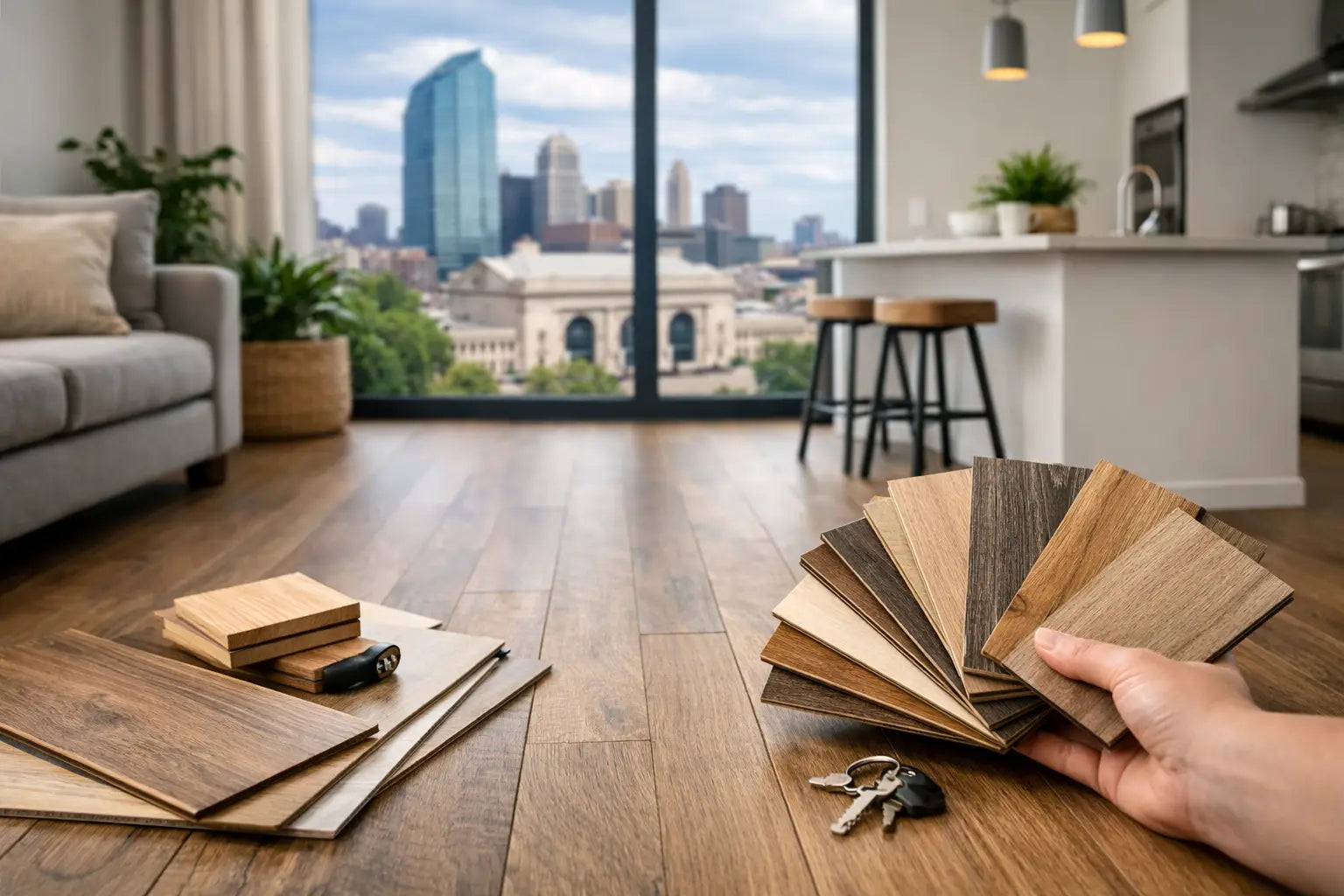
This is why samples are so useful. Look at them in the basement’s natural and artificial light, and bring them home if possible. A light oak vinyl plank may make a lower level feel larger and brighter, while a warmer engineered wood can make a guest space feel more finished and inviting. The best choice should support the room’s function as well as the rest of your home’s style.
How to Choose With Confidence
If your basement is dry, professionally prepared, and intended as a comfortable living space, engineered hardwood, laminate, luxury vinyl, tile, carpet, or sealed concrete can all have a place. If moisture resistance is the deciding factor, luxury vinyl and porcelain tile are usually the safest choices. If warmth and softness matter most, carpet may be worth considering after moisture conditions are confirmed. If you want the natural beauty of wood, engineered hardwood requires the most careful evaluation.
A finished basement should feel like a real part of the home, not an afterthought. FC Hardwood Floors can help homeowners compare samples, assess the practical demands of the space, and choose a floor that delivers affordable luxury without overlooking the details below the surface. A clear assessment before installation is the simplest way to enjoy your basement for years, with fewer surprises and a result that truly feels like home.

Leave a comment
This site is protected by hCaptcha and the hCaptcha Privacy Policy and Terms of Service apply.