Is Hardwood Flooring for Allergy Sufferers Best?
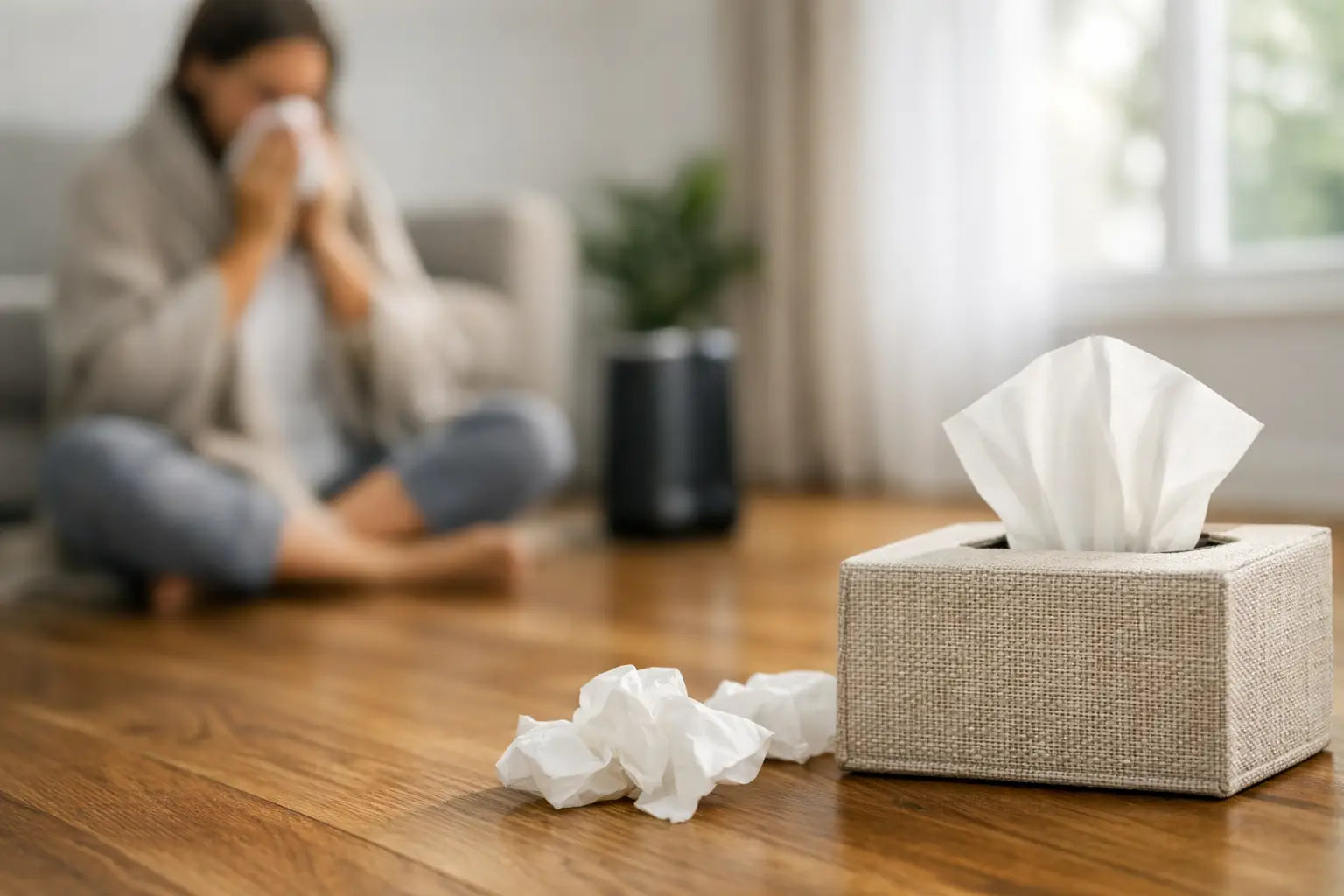
A floor cannot cure allergies, but it can make a meaningful difference in what collects inside your home. Hardwood flooring for allergy sufferers is often a smart choice because it gives dust, pet dander, pollen, and other common irritants fewer places to hide than wall-to-wall carpet. The result is a surface that is easier to see, clean, and maintain between deeper cleanings.
For Kansas City homeowners, the right answer still depends on the household. Pets, young children, seasonal allergies, moisture levels, and your willingness to follow a regular cleaning routine all matter. A well-installed hardwood floor can support a cleaner-feeling home, but the species, finish, installation details, and upkeep deserve just as much attention as the color.
Why Hardwood Flooring for Allergy Sufferers Can Help
Carpet fibers can hold onto allergens long after they settle. Vacuuming helps, but fine particles can remain below the surface or become airborne again when people walk across the room. Hardwood has a hard, nonporous surface, so dust and dander stay on top where they can be removed with a vacuum, microfiber mop, or damp cloth.
That does not mean every hard floor performs exactly the same way. Gaps between boards, deep surface texture, loose transitions, and worn finishes can all create places for debris to collect. A quality installation and a properly maintained finish help keep the floor easier to clean over the long term.
Hardwood also eliminates the need for carpet shampooing, which can leave behind moisture if it is not done carefully. For people sensitive to mildew or musty odors, reducing moisture-holding materials indoors can be a practical benefit.
The benefit is cleanliness, not a medical guarantee
It is worth keeping expectations realistic. Allergies are affected by many sources, including bedding, upholstered furniture, HVAC filters, outdoor pollen, and pets. Replacing carpet with wood will not remove every trigger from a home.
What hardwood can do is simplify your cleaning routine. When pollen blows in during spring or a dog sheds heavily, you can remove visible debris quickly instead of wondering what is trapped below a carpet pile. For many families, that convenience is the biggest advantage.
Choose a Smooth, Sealed Surface
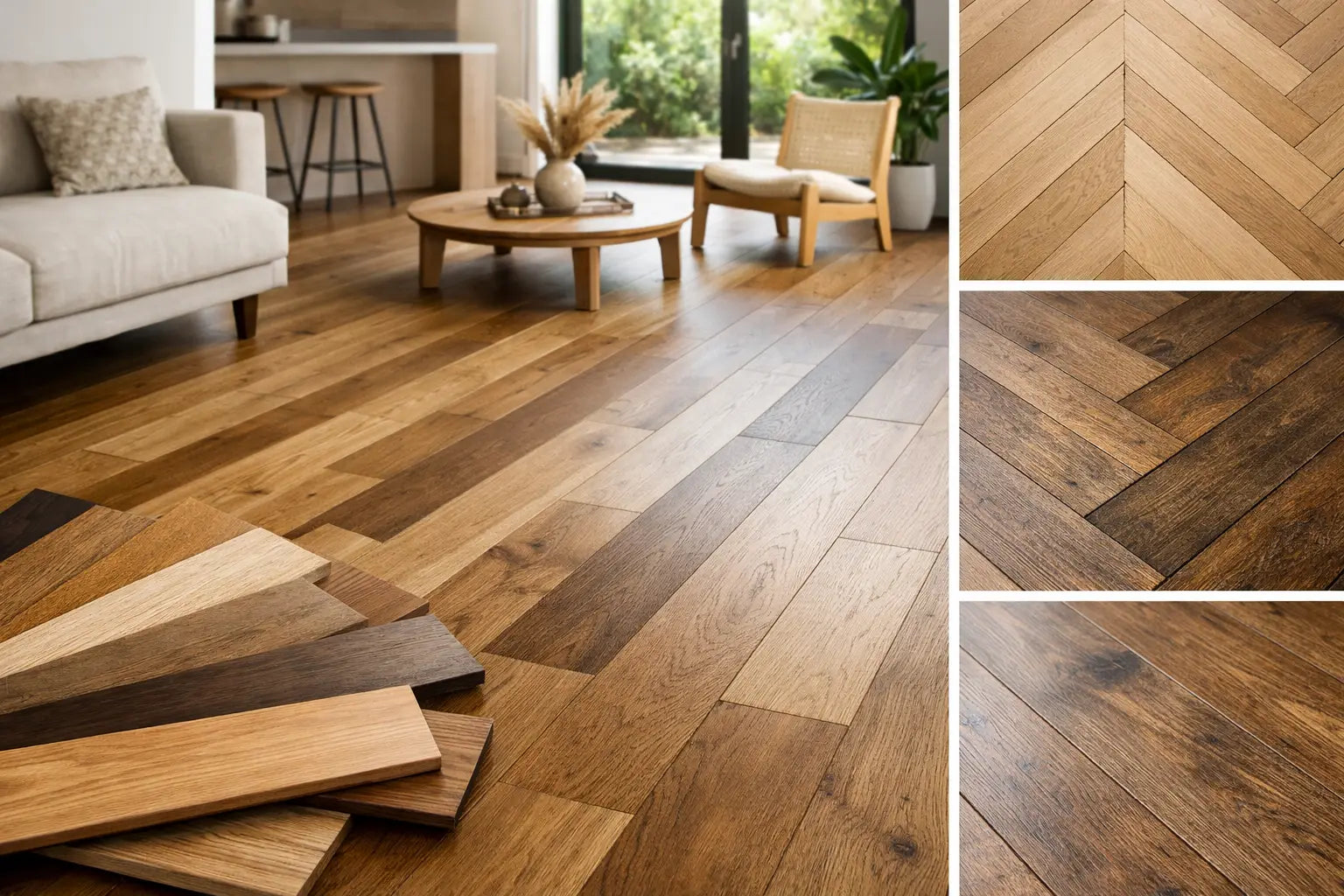
The best allergy-friendly hardwood floor is typically one with a smooth surface and a durable, well-sealed finish. Smooth boards are easier to sweep and mop than heavily hand-scraped or deeply wire-brushed styles. Textured floors can be beautiful, especially in rustic or traditional homes, but their grooves may need more detailed cleaning.
A factory-finished engineered hardwood product can be a good fit when you want consistent finish quality and faster installation. Site-finished solid hardwood offers more customization and can be refinished over time, which is valuable for homeowners planning to stay in their home for years. Neither option is automatically better for allergies. The quality of the finish, the condition of the floor, and the care it receives matter more.
If someone in the household is especially sensitive to odors or chemicals, ask about low-VOC finishes and adhesives before work begins. Fresh flooring materials and finishes can have temporary odors, even when they are high quality. Discussing product options, ventilation, and the expected curing period upfront helps you make a comfortable decision.
Avoid unnecessary gaps and damage
Wood naturally expands and contracts with seasonal changes in humidity. In the Greater Kansas City area, those swings can be noticeable between humid summers and dry winters. Proper acclimation and professional installation help manage normal movement and reduce the risk of excessive gaps.
Small seasonal gaps are not usually a major allergy concern, but wide gaps, damaged boards, or a failing finish make cleaning harder. Spills and dirt can work into those areas, while rough edges can catch pet hair and dust. Restoring a worn hardwood floor may improve both its appearance and how easily it can be maintained.
Cleaning Hardwood Without Creating New Problems
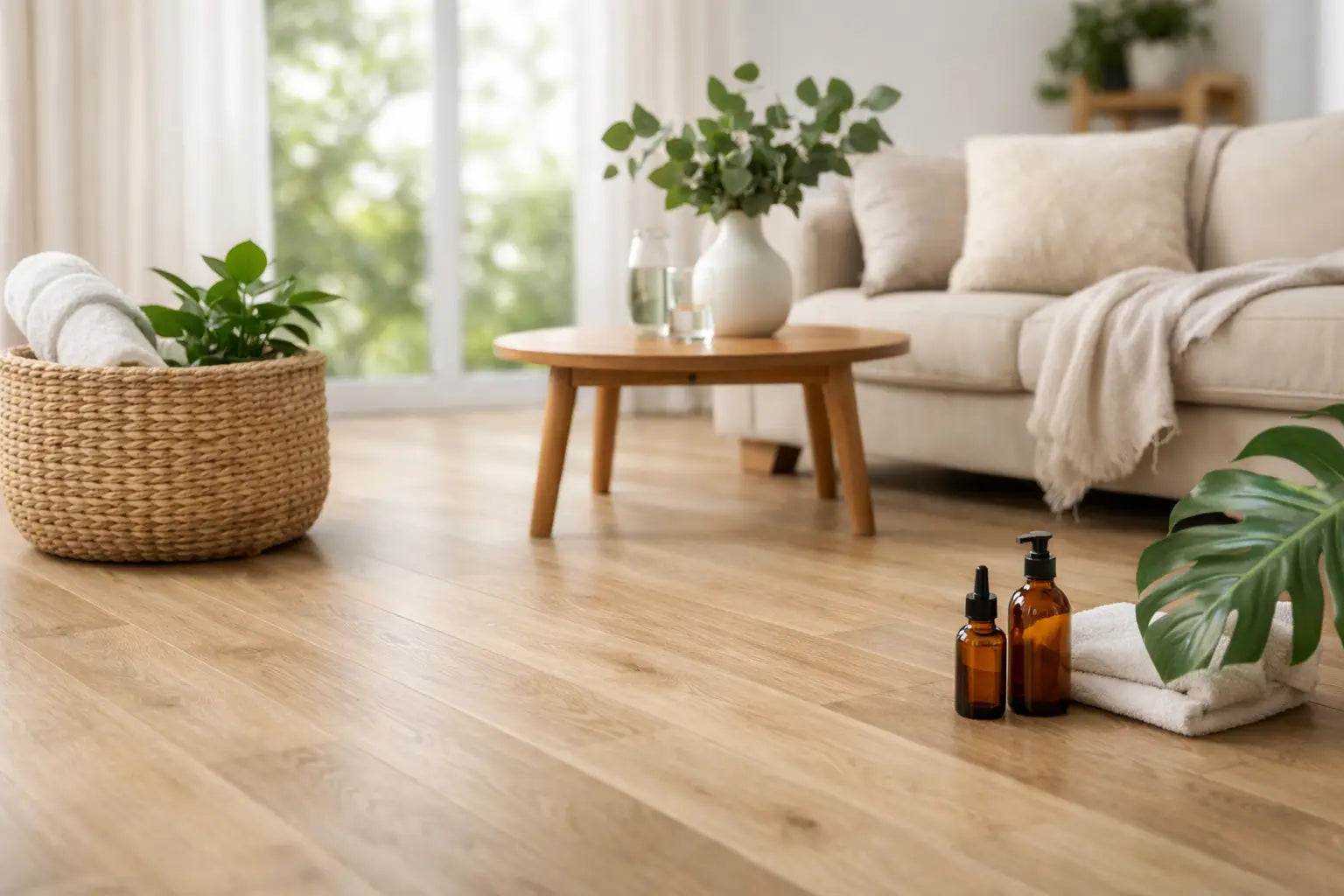
A hardwood floor only remains allergy-friendly when the cleaning routine fits the surface. Dry dust and dander should be removed regularly before they are tracked through the home or pushed into corners. A vacuum with a hard-floor setting or a soft brush attachment is usually a good choice, along with a microfiber dust mop for quick touch-ups.
Use a lightly damp mop when needed, not a soaking-wet one. Standing water can damage wood, dull finishes, and create conditions you do not want in an allergy-conscious home. Choose a cleaner made specifically for finished hardwood, and avoid harsh products, steam mops, abrasive pads, oil soaps, or waxes unless the flooring manufacturer specifically recommends them.
A practical routine might include quick dry cleaning several times a week in high-traffic areas and damp mopping as needed. Entryways, kitchens, pet feeding areas, and rooms with exterior doors usually need the most attention. During high-pollen periods, cleaning more often can keep particles from building up along baseboards and under furniture.
Area rugs can still have a place in a home with allergies, particularly near an entry or beside a bed. Choose rugs that are washable or easy to vacuum, and use a rug pad that allows air circulation and does not trap moisture against the wood. The goal is not to eliminate every soft surface. It is to make sure each one can be cleaned effectively.
Consider Pets, Kids, and Everyday Wear
Many homeowners choose hardwood because it works well with active households. Pet hair is easier to spot and remove from wood than from carpet, and spills can often be wiped up promptly. However, pets can scratch certain wood species and finishes, while water bowls and accidents need immediate attention.
For a busy home, consider a durable species such as oak, hickory, or maple, paired with a finish designed for daily wear. Wider planks and lighter or medium tones can help conceal minor dust and scratches better than very dark, glossy floors. Matte finishes are often a practical choice because they provide a refined look without highlighting every footprint.
If your household needs greater moisture resistance than real wood can offer, luxury vinyl flooring may be worth considering for basements, mudrooms, laundry rooms, or pet-heavy spaces. Modern luxury vinyl can be easy to clean and more forgiving around moisture, though it does not offer the same natural character or refinishing potential as hardwood. The best floor is the one that fits the room, your routine, and your long-term plans.
When Hardwood May Not Be the Best Choice
Hardwood is not always the right answer for every room. Below-grade basements, bathrooms with frequent splashing, and areas prone to water intrusion may call for another material. Engineered hardwood can work in some spaces where solid wood is not ideal, but it still needs protection from excessive moisture.
Cost is another consideration. Hardwood is an investment, especially when subfloor preparation, removal of existing flooring, trim work, and finishing are involved. Its durability and ability to be restored can make it a strong long-term value, but a less expensive material may better serve a temporary renovation or a heavily used utility area.
For allergy sufferers, the biggest mistake is choosing a floor based only on appearance. A beautiful floor that is difficult to clean, poorly suited to the room, or installed without attention to transitions and moisture can create unnecessary maintenance work later.
Plan the Project Around Your Home
Before selecting planks, take stock of how your home is used. Consider whether you have shedding pets, how often exterior doors are used, which rooms receive direct sunlight, and whether family members are sensitive to odors during renovations. Bring those details into the conversation when comparing samples and finishes.
A professional flooring consultation can help you balance comfort, style, budget, and performance. At FC Hardwood Floors, homeowners can review practical options and receive guidance based on the rooms they are updating, not a one-size-fits-all recommendation. A clear estimate and a thoughtful installation plan go a long way toward preventing surprises.
The most comfortable home is not necessarily the one with the most expensive floor. It is the one with a surface you can care for confidently, a finish that suits daily life, and a plan that keeps dust, dander, and seasonal messes from settling in.

Leave a comment
This site is protected by hCaptcha and the hCaptcha Privacy Policy and Terms of Service apply.