Low VOC Flooring for a Healthier Home
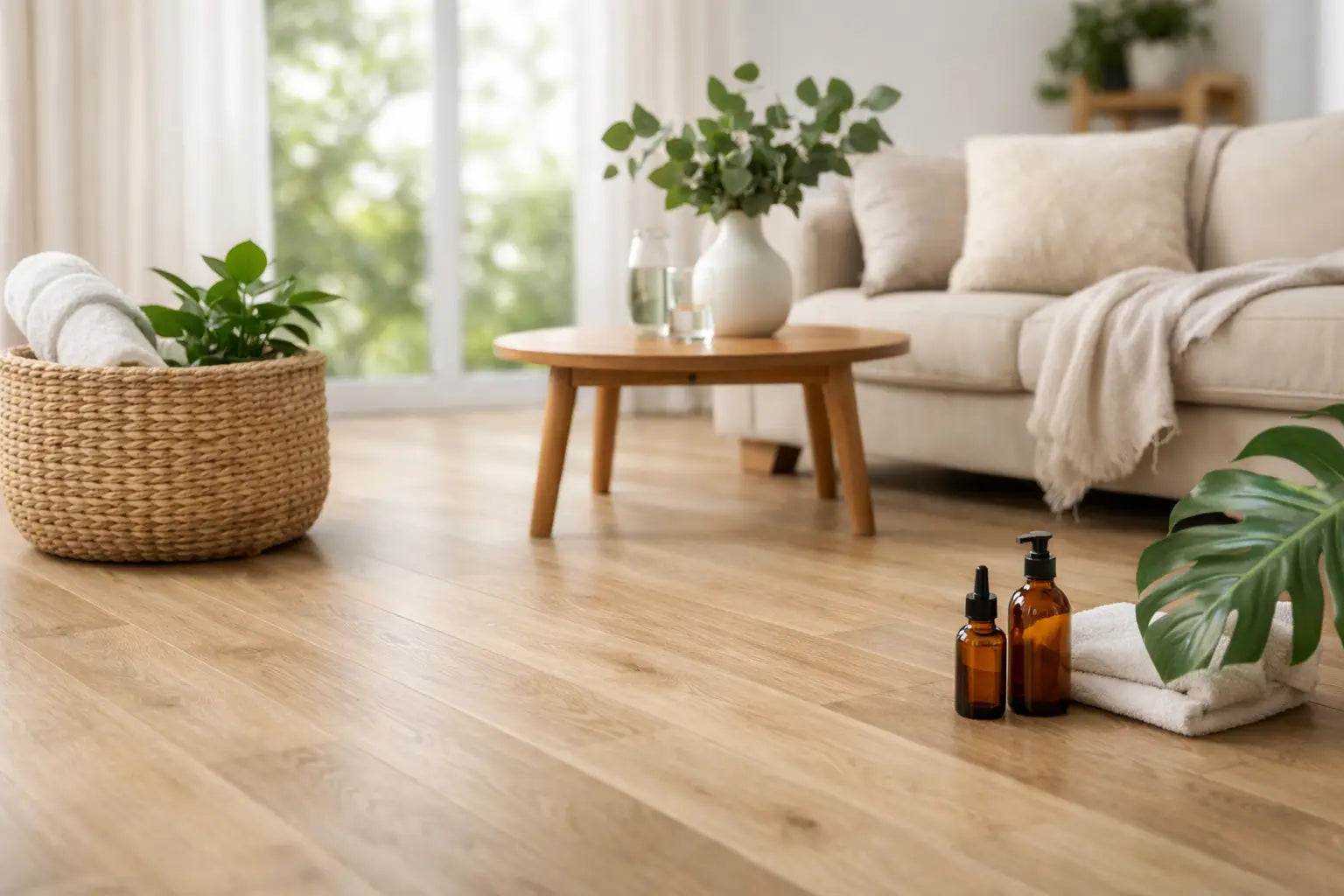
That new-floor smell may seem like part of a renovation, but it does not have to be. Low VOC flooring helps reduce the chemicals released into your indoor air after installation, giving homeowners a way to pursue beautiful, durable floors with greater peace of mind. For families planning a remodel, welcoming a new baby, managing allergies, or simply wanting a more comfortable home, it is a detail worth discussing before materials are ordered.
The good news is that healthier flooring does not mean settling for a limited look or a less capable surface. Hardwood, laminate, and luxury vinyl can all be part of a lower-emission flooring plan when the product, adhesive, underlayment, and finish are selected carefully.
What Does Low VOC Flooring Mean?
VOCs, or volatile organic compounds, are gases released from certain building materials, coatings, adhesives, cleaning products, and furnishings. Some VOCs are noticeable because of their odor. Others may not have a strong smell at all. Concentrations are often highest shortly after installation, then decline over time as materials air out.
When people ask for low VOC flooring, they are usually asking for a floor that contributes fewer chemical emissions to the indoor environment. That can involve the flooring itself, but it should also include every layer used to install it. A low-emission plank paired with a high-emission adhesive or finish may not deliver the result a homeowner expects.
Low VOC does not mean zero VOC. It also does not automatically mean a product is natural, safer in every possible way, or right for every room. The better question is whether the full flooring system has been designed for your space, your family, and the performance you need.
Why Indoor Air Quality Matters During a Floor Project
A floor covers a large percentage of your home. Unlike a small piece of furniture, it is installed wall to wall and remains in place for years. That makes material selection especially meaningful when indoor air quality is a priority.
For many households, lower-emission materials are a practical preference rather than a medical necessity. Still, people with asthma, allergies, chemical sensitivities, young children, or pets may be particularly interested in reducing unnecessary indoor pollutants. Commercial property managers may also value low VOC options when preparing offices, retail spaces, or tenant areas that need to reopen quickly.
Ventilation remains part of the equation. Even carefully selected products can have an odor during installation. Opening windows when weather permits, operating the HVAC system as recommended, and allowing appropriate cure time can help the space return to normal more comfortably. In Greater Kansas City, where summer heat and winter cold can limit open-window ventilation, scheduling and product choice deserve extra attention.
Low VOC Flooring Options to Consider
The best material depends on how you use the room. A healthy-material goal should work alongside moisture resistance, maintenance needs, design preferences, and budget.
Hardwood With Low-Emission Finishes
Solid and engineered hardwood offer the warmth, character, and long-term value many homeowners want. When restoring an existing wood floor, refinishing can be an excellent opportunity to improve the indoor environment. Water-based finishes generally have lower VOC content and less lingering odor than many traditional oil-based products, while still providing dependable protection when professionally applied.
For new hardwood, ask about the finish used at the factory and the materials used in engineered construction. Engineered hardwood contains layered components, so the adhesives and core materials matter as much as the surface veneer. A reputable product with documented emissions testing can offer more confidence than a vague low-VOC marketing claim.
Hardwood is not ideal for every space. It can be affected by standing water, and rooms with frequent moisture exposure may be better suited to another material. But in living rooms, bedrooms, dining rooms, and many hallways, it remains a beautiful lower-emission choice when paired with the right finish and installation system.
Laminate With Documented Emissions Standards
Modern laminate can create the appearance of wood at a more accessible price point. Because laminate often uses a composite core, it is wise to look beyond the surface design. Ask whether the product meets recognized indoor air quality standards and whether the manufacturer provides clear information about formaldehyde emissions.
A quality laminate floor can be a smart fit for busy households that want scratch resistance and easy maintenance. It is especially useful when the look of hardwood is appealing but the project budget or daily wear calls for a different solution. As with any floating floor, the underlayment should also be chosen with low-emission performance in mind.
Luxury Vinyl With Thoughtful Product Selection
Luxury vinyl plank and tile are popular for their water resistance, comfort underfoot, and wide range of styles. They can work well in kitchens, entryways, basements, and commercial settings where durability is a major priority.
Not all luxury vinyl products are made the same way. Look for products with third-party indoor air quality certifications and ask about the recommended adhesive for glue-down installation. Some vinyl floors float over an underlayment, while others require adhesive. That distinction can affect both emissions and long-term performance.
Luxury vinyl is often a practical choice, but it is not the answer for every homeowner who wants the most natural material possible. A clear conversation about priorities helps narrow the selection without overselling one product type.
Look Beyond the Floor Plank
The flooring material gets most of the attention, yet the installation products can make a meaningful difference. A complete low VOC flooring plan considers adhesives, moisture barriers, underlayment, stains, sealers, and transition materials.
For example, glue-down engineered hardwood and luxury vinyl require an adhesive, so choosing a low-emission adhesive matters. Wood floor restoration may involve stain and finish choices. A floating laminate or vinyl installation may need an underlayment that supports sound control and moisture management without introducing unnecessary odors.
Subfloor conditions matter, too. Moisture problems should be corrected rather than covered up. The wrong moisture barrier or rushed installation can lead to flooring failure, which creates more waste, more cost, and another disruption to your home. Quality preparation is part of a healthier project because it protects the investment from the start.
How to Compare Products With Confidence
Product labels can be confusing. Terms such as eco-friendly, non-toxic, green, and natural are broad marketing language unless they are supported by product documentation. Rather than relying on a label alone, ask for specific information about emissions testing and recommended installation materials.
Third-party certifications can help shoppers compare products more clearly. Programs such as FloorScore, GREENGUARD Gold, and UL GREENGUARD evaluate indoor air emissions for qualifying products. These certifications are useful tools, but they should not replace professional guidance about moisture, wear, installation method, and room conditions.
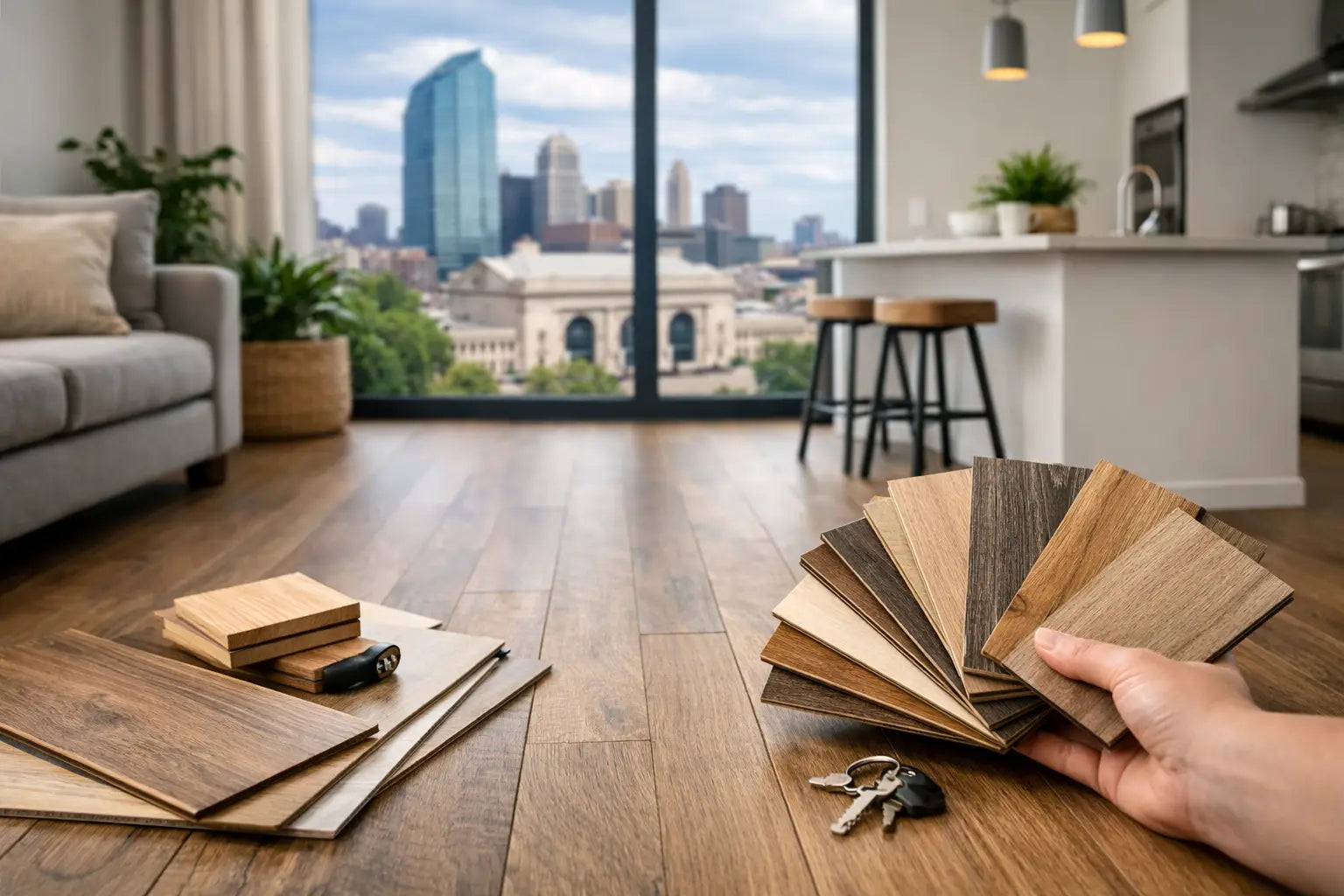
It is also reasonable to request samples. Samples let you see color and texture in your own lighting, but they also allow you to evaluate the material’s feel and any noticeable odor before making a whole-home decision. A flooring professional can explain which samples, underlayments, and finishing products work together as a system.
Installation Quality Still Comes First
The cleanest material on paper cannot perform well if it is installed poorly. Improper acclimation, uneven subfloors, unsuitable adhesives, or skipped moisture testing can lead to gaps, movement, cupping, and premature replacement.
A professional installer should evaluate the room, discuss how the space is used, and explain what preparation is needed before the work begins. That process is especially valuable for older homes, basement projects, wide-plank hardwood, and commercial spaces with demanding traffic patterns.
At FC Hardwood Floors, the goal is not to push one flooring type for every project. It is to help homeowners and property decision-makers choose a surface that looks right, performs reliably, and fits their comfort priorities and budget. A clear estimate and a chance to review samples can make the decision feel far less overwhelming.
A Better Starting Point for Your Next Floor
When you request an estimate, mention that low VOC flooring is a priority from the beginning. Share how the room will be used, whether anyone in the household has sensitivities, and whether you are considering hardwood restoration, new wood, laminate, or luxury vinyl. Those details help shape recommendations that are practical instead of generic.
The right floor should make your home feel more like yours, not leave you second-guessing what went into it. With carefully selected materials, proper preparation, and professional installation, you can bring lasting style underfoot while creating a space that feels comfortable from day one.

Leave a comment
This site is protected by hCaptcha and the hCaptcha Privacy Policy and Terms of Service apply.