Hardwood Restoration Before and After Results
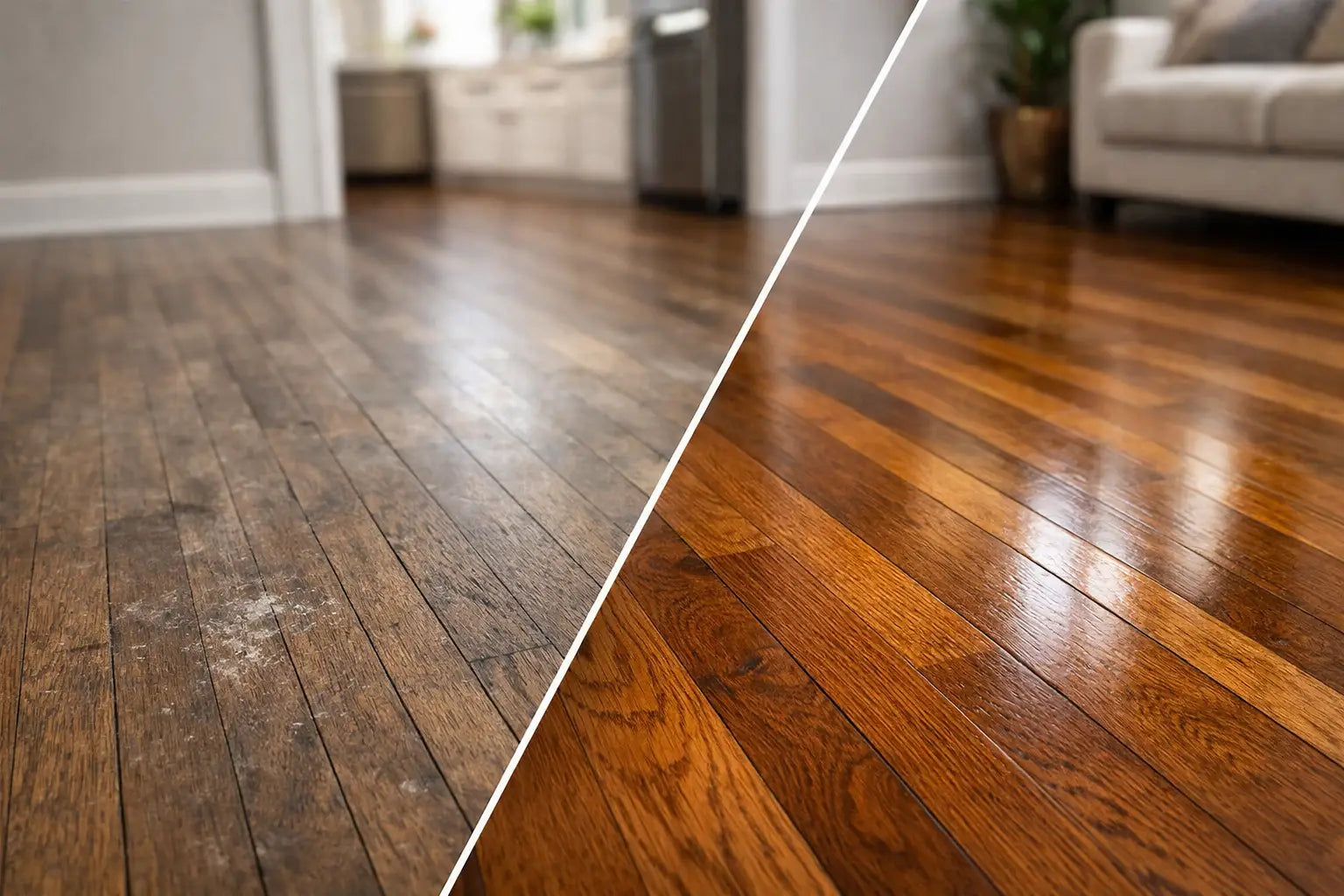
A floor can make a room feel worn out before you notice anything else. Scratches by the entry, dull traffic lanes in the hallway, sun-faded boards near the windows, and old finish that no longer reflects light evenly all add up fast. That is why hardwood restoration before and after photos matter so much - they show how much life is still hiding in a floor that looks tired on the surface.
For many homeowners and property managers, the biggest surprise is not that restored hardwood looks better. It is how dramatic the change can be without replacing the floor entirely. In the right situation, restoration can bring back warmth, color, and character while protecting the wood for years ahead. It can also be the more cost-conscious move when the boards are structurally sound.
What hardwood restoration before and after really shows
Good before and after results are about more than shine. A fresh topcoat can make a floor look cleaner, but true restoration addresses the issues that make a floor look uneven, damaged, or older than the rest of the home.
In the before stage, hardwood often shows a mix of problems rather than one single issue. You might see gray wear patterns where finish has thinned, shallow scratches from pets or furniture, discoloration from area rugs, small gaps that become more obvious in dry months, or stains that pull your eye toward the damaged spot. In commercial settings, you may also see dull pathways where heavy foot traffic has broken down the finish.
The after stage should look balanced, not artificial. Grain becomes more visible, color looks more consistent, and the room feels brighter because the floor reflects light more evenly. The best results still respect the natural character of the wood. Knots, variation, and age marks do not disappear completely, and that is often a good thing. Restoration should improve the floor, not make it look disconnected from the home.
What changes after hardwood floor restoration
When people compare hardwood restoration before and after, they usually focus first on appearance. That makes sense. The visual change is immediate. But the functional improvement matters just as much.
A restored floor is easier to clean because dirt and dust are not catching in worn finish and surface scratches as easily. It is also better protected from everyday wear. A quality finish acts as a barrier against minor spills, shoe traffic, and routine household use. For busy families, that protection is part of the value.
There is also a comfort factor. Rooms with worn hardwood can feel dated even when the rest of the house has been updated. Once the floors are restored, the whole space often feels more finished. That matters whether you are staying long term, preparing to sell, or trying to improve a rental or commercial property without a full remodel.
Common before conditions
Most restoration projects start with one or more familiar issues. Surface scratches are common, especially in living rooms, hallways, and dining areas. Dullness is another major one, often caused by years of foot traffic and cleaning products that leave residue behind. Water spots, pet stains, minor board damage, and faded areas near windows also show up often.
Older floors can have uneven color where previous repairs were done poorly or where furniture and rugs protected some sections but not others. That patchy look is one of the biggest reasons homeowners choose restoration. Even if the floor is still solid, inconsistency makes the whole room feel neglected.
Common after results
After restoration, the floor usually looks cleaner, richer, and more cohesive. The color is more intentional. The surface feels smoother underfoot. Minor imperfections are less distracting because the finish is consistent from board to board.
That said, realistic expectations matter. Deep black stains, severe warping, or major board movement may not disappear through refinishing alone. Some floors need board replacement in specific areas before sanding and finishing can happen. The strongest before and after results come from matching the method to the actual condition of the floor.
Is restoration worth it or should you replace the floor?
This is where experience matters. Not every hardwood floor should be restored, but many can be saved when owners assume replacement is the only option.
If the boards are real hardwood and have enough wear layer left, sanding and refinishing can often deliver excellent results. This is especially true when the damage is mostly cosmetic. Scratches, dull finish, light staining, and color inconsistency are all good candidates for restoration.
Replacement becomes more likely when floors have severe water damage, widespread rot, major movement, or previous sanding that has already taken the boards too thin. Engineered hardwood can be more limited because some products have only a thin top veneer. In those cases, whether restoration is possible depends on the product itself.
For homeowners balancing budget and appearance, restoration often lands in the sweet spot. You keep the original floor, avoid the cost and disruption of a full tear-out, and still get a significant visual upgrade. For commercial spaces, that can mean less downtime and a faster path to a cleaner, more professional-looking interior.
The restoration process behind the before and after
Great results do not come from stain color alone. The process is what creates the transformation.
It usually begins with a close evaluation of the floor. The species, age, existing finish, damage level, and past repairs all affect the plan. Some floors need spot repairs or board replacement before refinishing. Others are ready for sanding right away.
Sanding removes the worn top layer and exposes clean wood beneath. This is where many of the visible problems start to disappear. Old finish, surface scratches, and uneven coloration are gradually leveled out. From there, stain may be applied if the customer wants to shift or deepen the color, followed by protective finish coats.
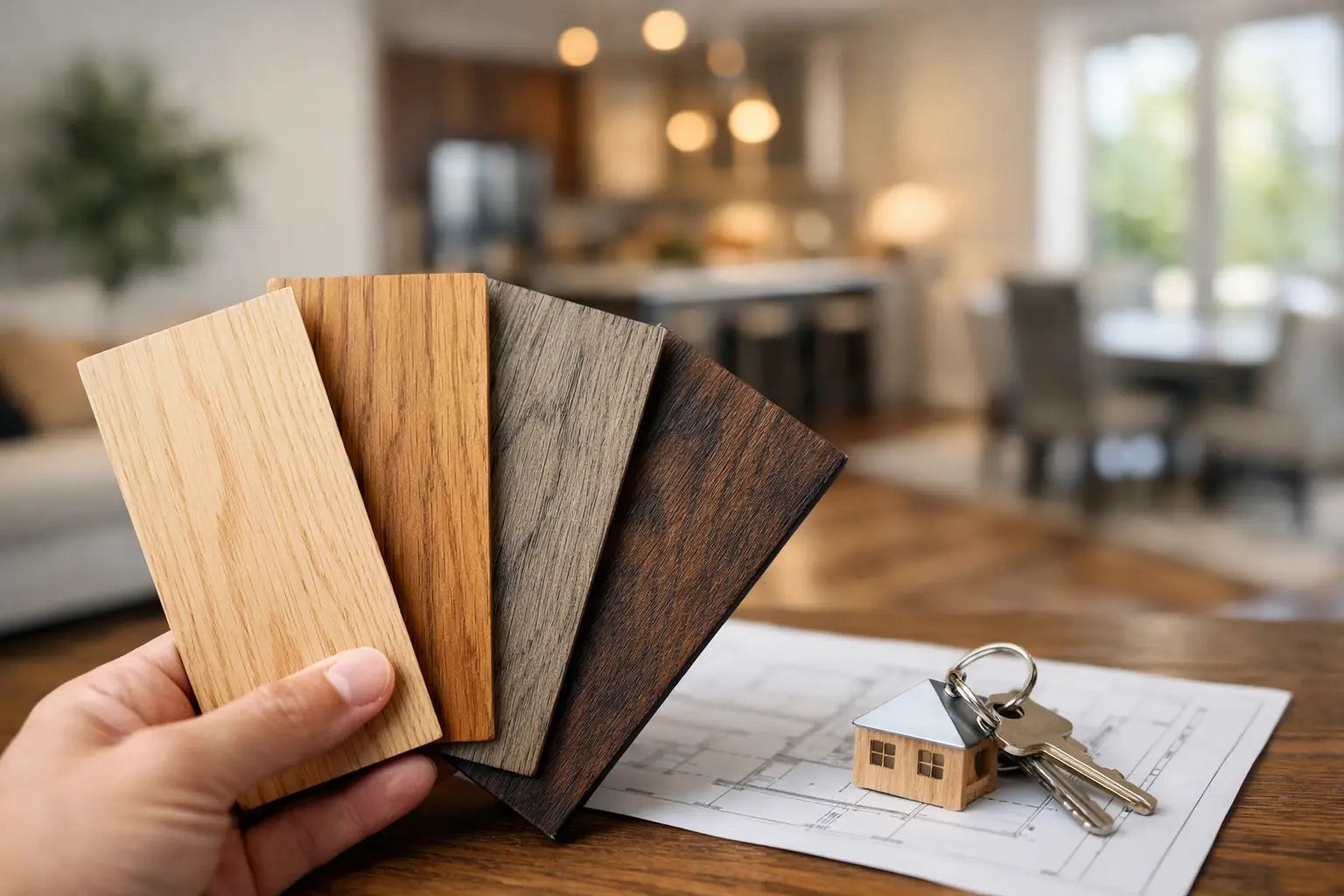
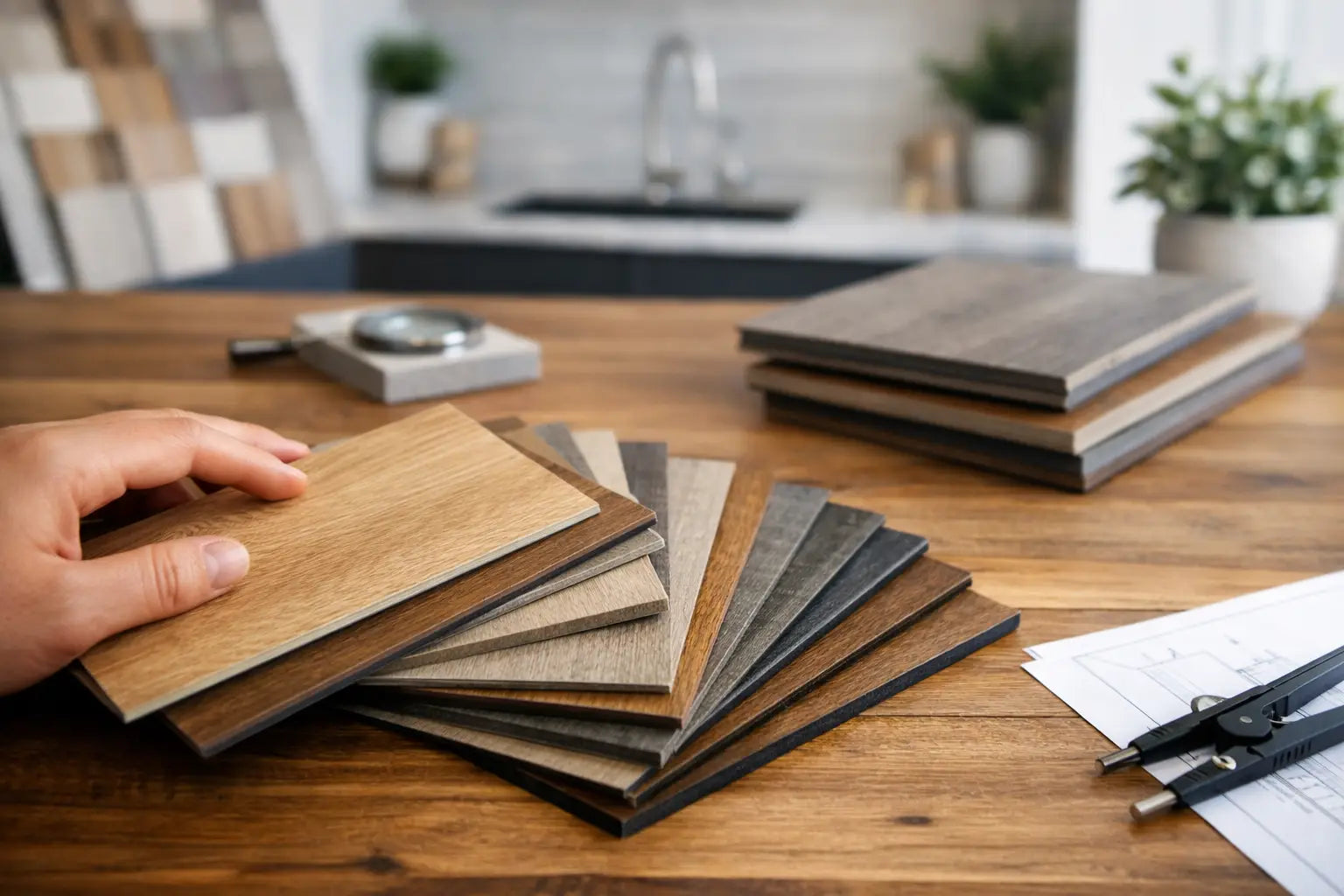
Each decision affects the final look. A natural finish highlights wood character and can make a space feel lighter. A darker stain can feel richer and more formal but may show dust and scratches more easily. Satin finishes are popular because they balance a clean look with practical maintenance. Glossier finishes reflect more light, but they also reveal imperfections faster.
That is one reason a consultative approach matters. The right choice is not only about what looks good in a photo. It is about how the floor will perform in your home or building.
Why some before and after projects look better than others
Not all hardwood restoration before and after results are equal. The difference often comes down to preparation, repair quality, and finish selection.
If damaged boards are ignored, they will still stand out after the project is done. If sanding is uneven, the new finish can highlight flaws rather than hide them. If the stain is chosen without considering lighting, wall color, and traffic patterns, the floor may look good on day one but feel impractical over time.
Moisture conditions also matter. Kansas homes go through seasonal swings, and wood responds to humidity. A professional evaluation helps identify whether visible gaps, cupping, or movement are cosmetic, temporary, or signs of a deeper issue. Restoring the floor without addressing moisture concerns can limit the long-term result.
This is where working with an experienced local team pays off. A family-run company like FC Hardwood Floors understands that customers are not just buying a finish. They are trusting someone with a major part of their home or property, and they need honest guidance on whether restoration makes sense.
How to tell if your floors are a good candidate
If you are looking at your floors and wondering whether the transformation would be worth it, start with a few practical questions. Is the wood still structurally solid? Are the biggest issues scratches, dullness, fading, or worn finish? Do isolated damaged boards seem repairable rather than widespread? If the answer is yes, restoration may be the right next step.
It is also worth considering your goals. If you love the character of your existing hardwood and want to preserve it, restoration is often the better path. If you are trying to change the entire layout, level, or material type of the floor, replacement may make more sense.
The smartest move is usually a professional estimate rather than a guess. An on-site review can tell you what the floor needs, what results are realistic, and how to balance cost with long-term value.
Hardwood floors do not have to be perfect to be worth saving. In many homes and commercial spaces, the best before and after story starts with a floor that looks past its prime but still has years of life left. When the work is done well, restoration does more than improve the wood. It helps the whole room feel cared for again.

Leave a comment
This site is protected by hCaptcha and the hCaptcha Privacy Policy and Terms of Service apply.