
Article: Hardwood vs Carpet Cost: Which Pays Off?
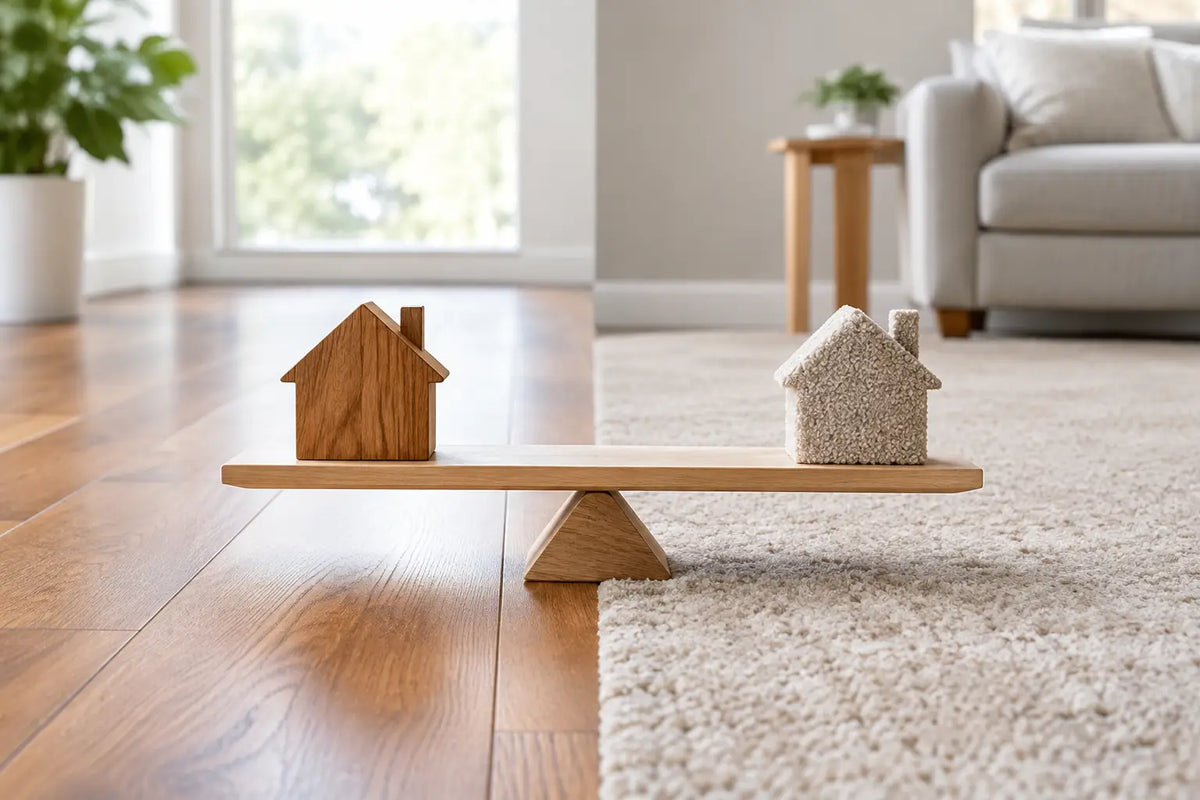
Hardwood vs Carpet Cost: Which Pays Off?
A new floor can change the feel of a room in a single week, but the price conversation should not stop at the estimate. When homeowners compare hardwood vs carpet cost, the better value depends on more than the price per square foot. It also depends on how long you plan to stay, who uses the space, what condition the subfloor is in, and how much maintenance you are comfortable taking on.
Carpet usually wins on upfront affordability. Hardwood often wins on longevity, appearance, and resale appeal. The right choice is the one that fits your household now while protecting the investment you are making in your home.
Hardwood vs Carpet Cost at Installation
For a basic project, carpet is generally the lower-cost option. Material and installation commonly range from about $3 to $10 per square foot, depending on fiber, pile height, padding, room layout, and removal of existing flooring. Entry-level polyester carpet can keep the initial price down, while wool or premium nylon with upgraded padding will raise it substantially.
Hardwood flooring commonly costs more upfront, often landing around $8 to $18 or more per square foot installed. The range is wide because species, board width, grade, finish, site conditions, and installation method all matter. A straightforward prefinished oak floor costs differently than wide-plank white oak with custom stain, intricate transitions, or repairs to an uneven subfloor.
That difference can feel significant on a large project. In a 500-square-foot living area, a carpet installation may cost several thousand dollars less than hardwood at the start. But an accurate comparison should include the work beneath the visible floor. Both materials may require old-floor removal, furniture moving, baseboard work, or subfloor preparation. Homes with moisture concerns, squeaks, damaged subfloors, or complex room shapes can also add labor to either project.
A professional in-home estimate is valuable because it replaces broad averages with the actual conditions in your space. It also helps you compare options with the same scope of work rather than choosing a low number that leaves out essential preparation.
Material quality changes the equation
Not all carpet or hardwood performs the same way. A lower-priced carpet may be a practical choice for a guest room or a short-term rental refresh, but it may not hold up in a busy family room with pets and children. In the same way, a budget hardwood product may offer a real-wood surface, yet have fewer refinishing opportunities or more limited design options than a thicker solid hardwood floor.
For homeowners seeking affordable luxury, the goal is not simply to buy the least expensive material. It is to put the right level of performance and style in each room. A durable carpet with quality padding may be the smart value upstairs, while hardwood in the entry, living room, and dining room creates a more lasting first impression.
The Long-Term Hardwood vs Carpet Cost
The most meaningful cost difference often shows up years after installation. Carpet typically lasts about 5 to 15 years, depending on quality, traffic, cleaning habits, and household use. Even well-maintained carpet can eventually show crushing, stains, fading, or odors that make replacement more attractive than repair.
Hardwood can last for decades, and solid hardwood may last for generations when properly maintained. Scratches, dullness, and normal wear do not automatically mean the floor is finished. Many hardwood floors can be refinished, allowing the surface to be refreshed rather than replaced. That ability is a major part of hardwood’s long-term value.
Consider a homeowner who installs carpet for $5 per square foot today and replaces it once or twice over the next 25 years. The total can approach or exceed the original cost of a hardwood installation, particularly when padding, removal, and installation are included each time. Hardwood may require refinishing during that period, but restoration is often less disruptive and less expensive than a full replacement.
That said, hardwood is not automatically the lowest-cost choice for every situation. If you expect to move within a few years, need a comfortable and quiet solution for bedrooms, or are updating a lower-traffic room on a firm budget, carpet can provide excellent short-term value.
Maintenance, Comfort, and Everyday Living
Cost is not only what you pay a contractor. It is also the time, cleaning, and occasional repair a floor requires over its life.
Carpet feels warm and soft underfoot, which makes it a natural choice for bedrooms, nurseries, and upper-level spaces. It also absorbs sound, an advantage in homes with children, multi-level layouts, or media rooms. Regular vacuuming and prompt attention to spills are essential, and professional cleaning may be needed to keep it looking fresh. For allergy-sensitive households, carpet can require extra care because it can hold dust, pet dander, and allergens.
Hardwood is easier to sweep and clean, and it does not trap allergens in the same way. A properly finished floor handles everyday use well, but water should be cleaned promptly and furniture should have protective pads. Pets, high heels, and dropped items can leave marks, especially on softer wood species or darker finishes. Many homeowners accept that natural character, while others prefer a harder species or a finish that better disguises small scratches.
Kansas City’s changing seasons are another practical consideration. Hardwood responds to indoor humidity, so proper acclimation, installation, and humidity management help support a stable, beautiful floor. A knowledgeable installer will consider these details before boards ever go down.
Resale Value and Room-by-Room Strategy
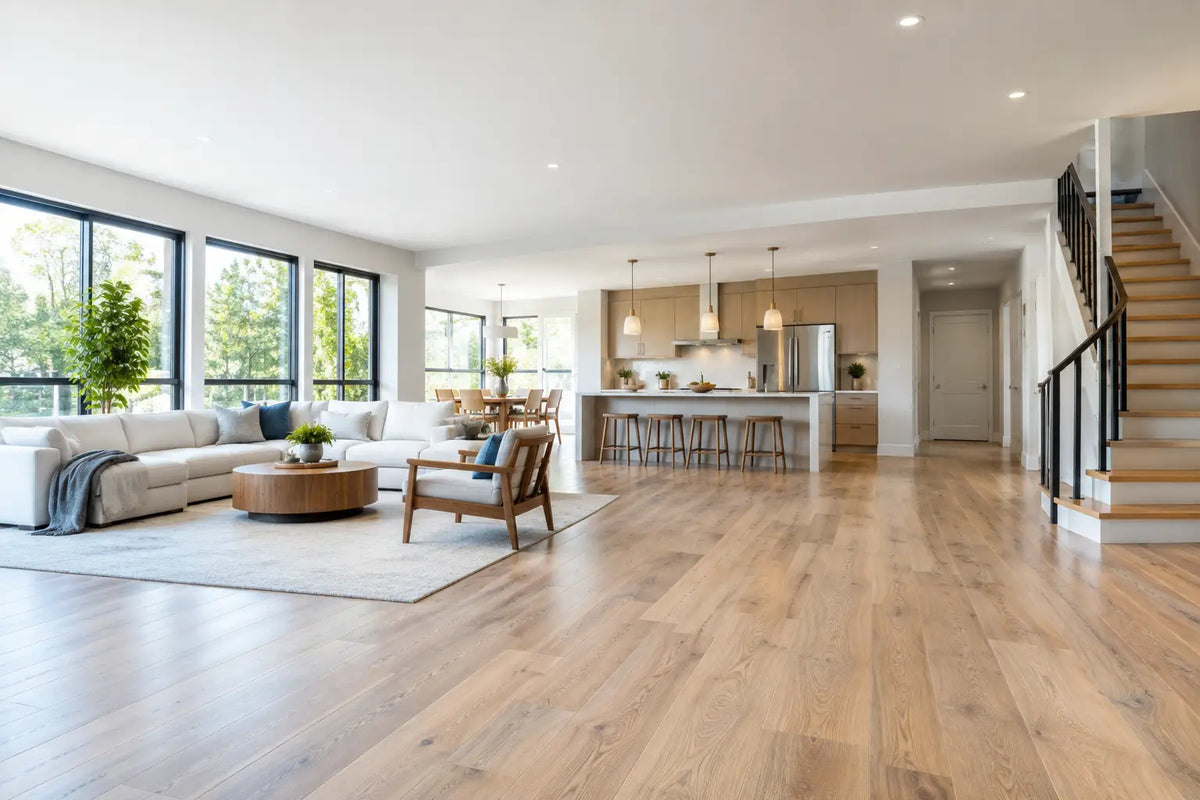
Hardwood is often a strong selling feature because buyers recognize its durability, classic appearance, and ability to be updated over time. It can make main living areas feel more open and can complement many design styles, from traditional to modern. While no flooring choice guarantees a specific return, hardwood frequently supports a home’s overall market appeal.
Carpet is less likely to be a headline selling feature, but fresh, neutral, high-quality carpet can absolutely help a home show well. Old, stained, or heavily worn carpet, however, may lead buyers to assume they will need to replace it immediately. That perception can affect offers even when the rest of the home is in excellent condition.
For many homes, the strongest plan is not hardwood everywhere or carpet everywhere. Hardwood may make sense in entryways, hallways, living rooms, dining rooms, and offices. Carpet can add comfort in bedrooms and reduce noise upstairs. This room-by-room approach lets you place your budget where it delivers the most benefit instead of forcing one material to meet every need.
Questions to Ask Before Choosing
Before selecting a floor, think beyond the sample board. How long do you expect to live in the home? Are pets, children, or frequent guests part of daily life? Is the room prone to spills or moisture? Do you want the quiet softness of carpet, or the lasting character and cleanability of wood?
It also helps to ask what is included in each estimate. Confirm whether it covers removal and disposal, subfloor repairs, trim or transition pieces, furniture moving, cleanup, and any moisture protection needed for the project. A clear estimate gives you a more honest comparison and fewer surprises once work begins.
At FC Hardwood Floors, we help homeowners across Greater Kansas City compare materials, samples, and installation details in a way that fits their home and budget. The best flooring decision should feel informed, not pressured.
A floor is something your family will walk on every day. Choose the option that supports the way you live now, gives you confidence in the years ahead, and makes your house feel more like home.

Leave a comment
This site is protected by hCaptcha and the hCaptcha Privacy Policy and Terms of Service apply.