What Flooring Adds Home Value Most?
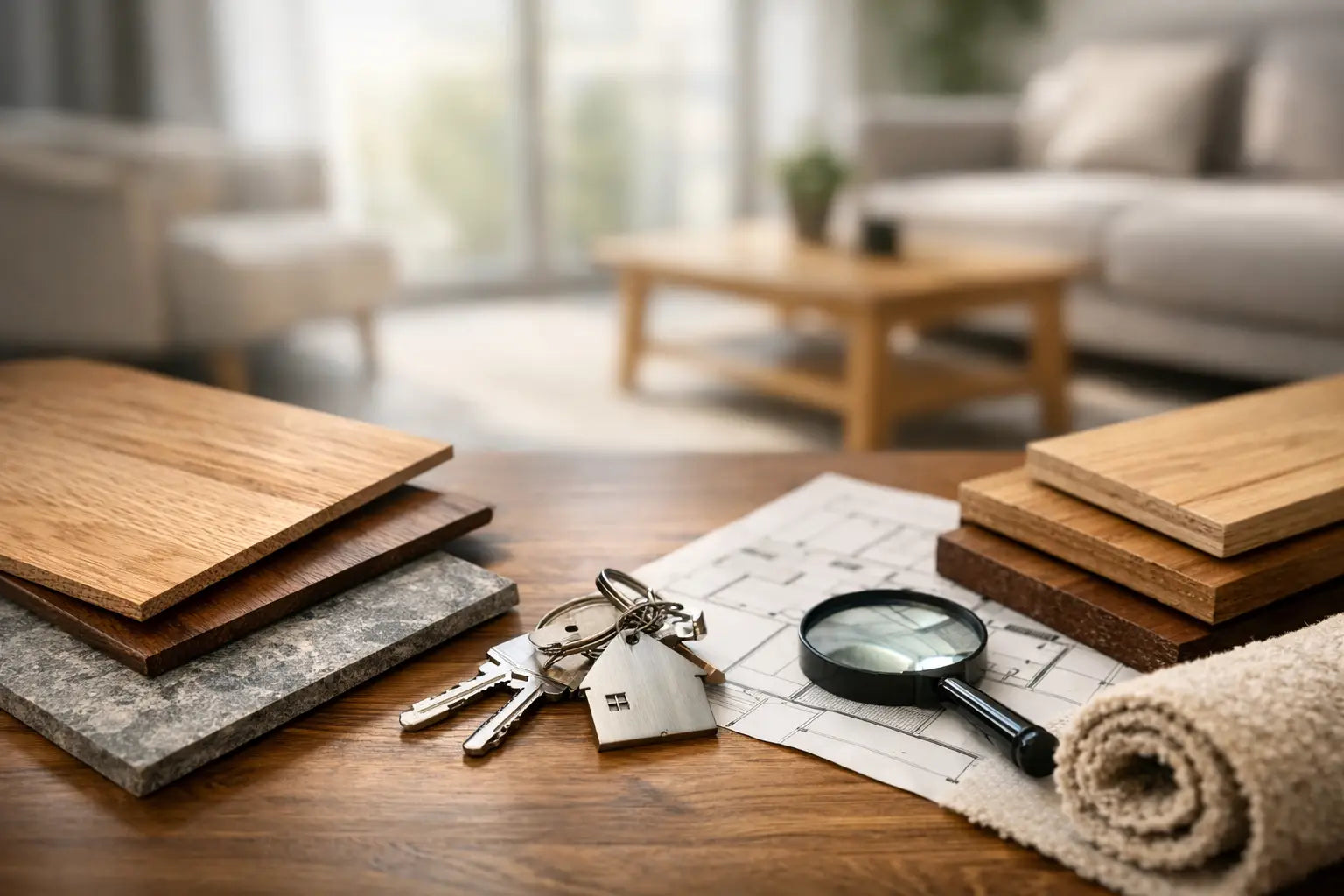
A buyer can overlook dated paint for a while. They usually cannot ignore worn, cheap, or mismatched floors. If you are asking what flooring adds home value, the short answer is this: flooring that looks clean, fits the home, and holds up over time tends to bring the best return. In most cases, hardwood leads the pack, but that does not mean it is the right answer for every room, budget, or property.
The real value of new flooring is not only in resale math. It is also in how a home shows, how buyers feel when they walk in, and how much maintenance they expect after moving in. That is why smart flooring choices balance appearance, durability, and local market expectations.
What flooring adds home value in real life?
When homeowners think about value, they often picture a simple ranking. Hardwood is best, everything else is second. There is some truth to that, but the full picture is more practical.
The flooring that adds the most value is usually the flooring buyers already hope to see in that type of home. In many mid-range and higher-end homes, that means real hardwood in main living spaces. In busy households, luxury vinyl can also perform well because it offers a polished look with easier maintenance and a lower upfront cost. Tile remains strong in bathrooms, laundry rooms, and some kitchens because it handles moisture well. Laminate can improve appearance and livability, but it usually does less for resale than hardwood or a well-chosen luxury vinyl product.
A floor does not have to be the most expensive option in the showroom to add value. It has to make sense for the home.
Hardwood still sets the standard
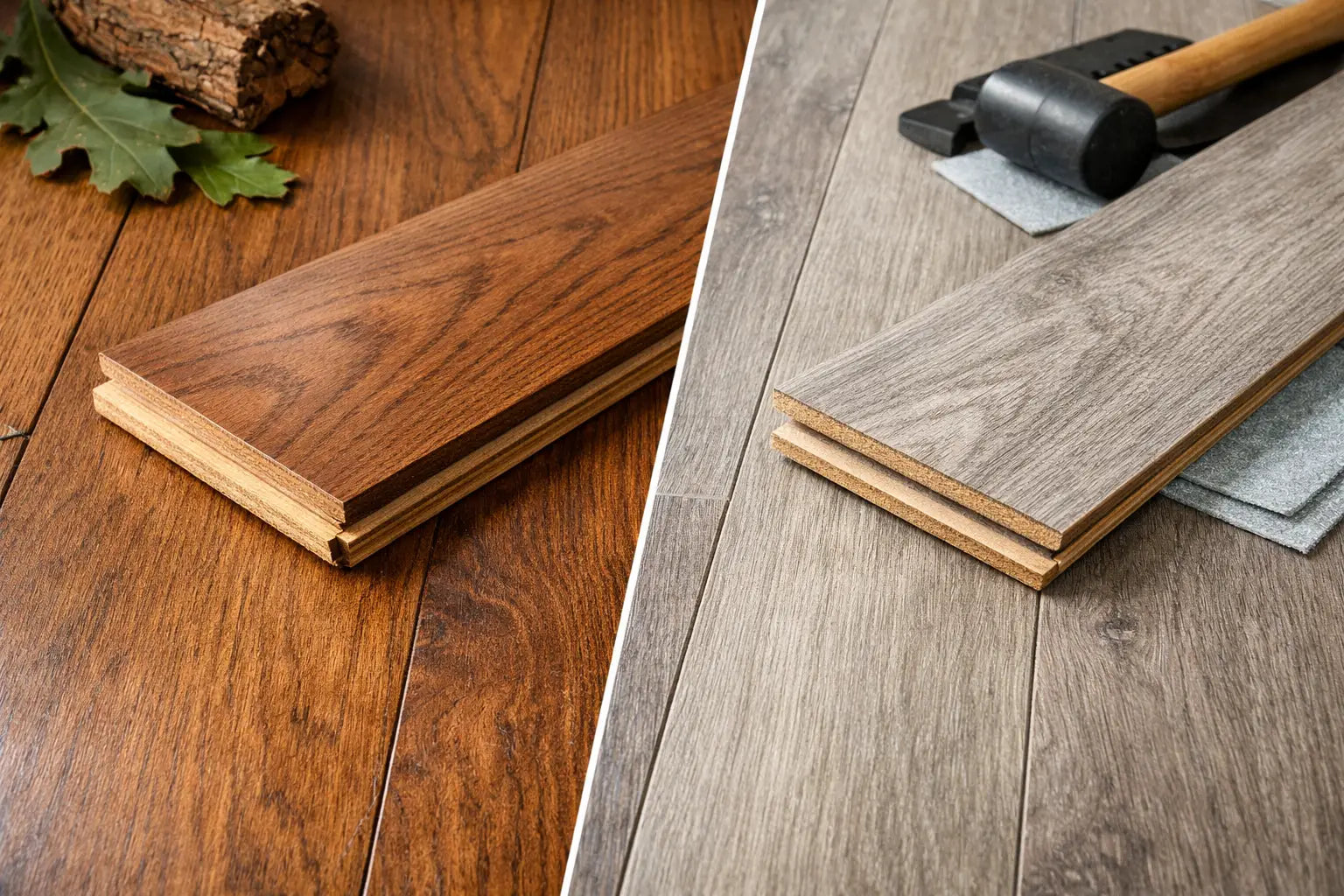
If your goal is maximum perceived value, hardwood is often the safest place to start. Buyers know what it is, they trust it, and they associate it with quality. It also has a long service life and can often be refinished instead of replaced, which makes it attractive for long-term ownership.
Solid hardwood and engineered hardwood can both support resale, especially when the style is timeless. Medium-width planks, natural tones, and finishes that are neither too glossy nor too flat tend to appeal to the widest audience. Floors that look classic usually age better than very trendy colors.
That said, hardwood is not perfect for every situation. It costs more upfront than laminate or many vinyl products. It can scratch in homes with active pets or kids. Moisture can also be a concern in below-grade spaces or rooms with frequent spills. If a homeowner installs hardwood in areas where it is likely to fail, that decision can work against value instead of helping it.
For many homes, the best approach is to use hardwood where it performs best, such as entryways, living rooms, dining rooms, hallways, and bedrooms.
Luxury vinyl has become a serious value play
A lot of homeowners are surprised to hear this, but high-quality luxury vinyl plank can absolutely add value when it is chosen and installed well. It may not carry the same prestige as hardwood, yet it solves real problems that matter to buyers.
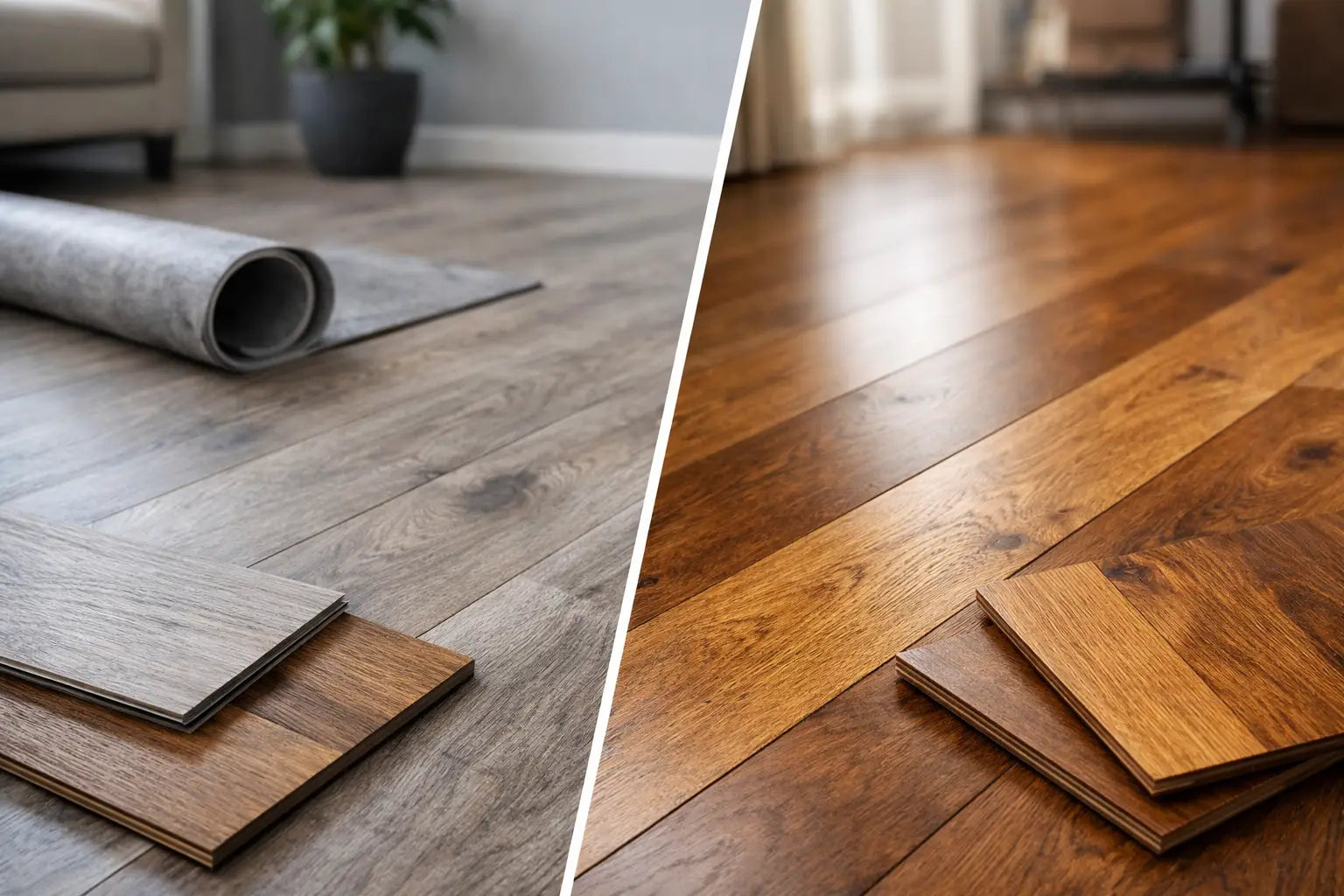
Luxury vinyl stands out for water resistance, durability, and lower maintenance. In kitchens, basements, mudrooms, and households with pets, those benefits are easy to appreciate. It also comes in styles that closely resemble wood, which helps create a cohesive, updated look without the same cost or care requirements.
The trade-off is perception. Some buyers will always prefer real wood. In a higher-end home, vinyl throughout may feel like a step down from what the market expects. In a practical family home, though, a well-made luxury vinyl floor often lands in a sweet spot between affordability and appearance.
This is one reason consultative flooring guidance matters. The same product can feel like a smart upgrade in one home and a compromise in another.
Laminate can improve a home, but expectations matter
Laminate has come a long way in appearance, and it can be a sensible upgrade when replacing worn carpet or dated sheet flooring. It is often budget-friendly and can provide a cleaner, more modern look fast.
Still, if you are strictly focused on what flooring adds home value, laminate usually ranks behind hardwood and premium luxury vinyl. Buyers may see it as a practical surface, but not necessarily as a premium feature. Its resistance to moisture also varies by product, and lower-quality installations can show wear at seams or edges over time.
That does not mean laminate is a bad choice. It means it is best used strategically. If your current flooring is in poor condition and your budget is tight, laminate can absolutely help your home show better and feel more updated. It just may not deliver the same resale lift as a higher-end material.
Tile holds value where performance matters most
Tile is not usually the answer for an entire home, but it remains one of the best investments in moisture-prone spaces. Bathrooms, laundry rooms, and some kitchens benefit from tile because it is durable, easy to clean, and familiar to buyers.
Porcelain tile often offers the best mix of toughness and style. Natural stone can look beautiful and elevate a space, but it usually comes with more maintenance and a higher price tag. For resale, simple and durable often beats high-maintenance luxury unless the home is in a price range where buyers expect it.
The biggest mistake with tile is choosing something too specific. Busy patterns, very small tiles, or trendy colors can limit appeal. Neutral tones and clean lines usually support value better over time.
Carpet rarely adds value, but it can still have a place
Carpet is comfortable and can make bedrooms feel warmer and quieter. In some homes, buyers still expect to see carpet in at least a few private spaces. But carpet rarely adds the same home value as hard-surface flooring.
Why? Because carpet shows wear faster, holds odors more easily, and feels less premium to many buyers. If a home has old carpet, replacing it with hardwood, luxury vinyl, or even a quality laminate often makes a stronger impression.
If you do choose carpet for bedrooms, keep it neutral and focus on quality padding and stain resistance. Soft, clean, and understated will do more for resale than bold color or plush texture that looks hard to maintain.
The best flooring choice depends on the room
One of the most common mistakes homeowners make is trying to use one rule for the whole house. Flooring value is room-specific.
Main living areas typically benefit most from hardwood or a high-end wood-look floor because those spaces do the most work in a showing. Kitchens need a balance of style and spill resistance. Bathrooms and laundry areas need moisture performance first. Basements often call for products that can handle changing conditions better than solid wood.
Consistency also matters. Buyers notice when flooring changes too often from room to room. A home usually feels more valuable when the materials flow well and the transitions make sense.
Installation quality affects value as much as material
Homeowners sometimes focus so much on product selection that they overlook installation. That is a mistake. Even expensive flooring can hurt a home's appearance if the layout is awkward, the transitions are rough, or the finish work is sloppy.
Professional installation helps protect your investment because buyers notice details. Uneven boards, hollow spots, visible gaps, and poor trim work can make a new floor look rushed. Clean lines and proper prep work make the whole space feel better cared for.
This is especially true if you are preparing to sell. Buyers and inspectors both pick up on shortcuts.
How to choose flooring with resale in mind
If you want the best return, think like both an owner and a buyer. Choose flooring that fits your price point, matches the style of the home, and solves problems instead of creating them.
Ask yourself a few practical questions. Is this a long-term home where durability matters as much as resale? Are you upgrading to enjoy the space now, or to list the home soon? Will buyers in your neighborhood expect hardwood, or will they appreciate a durable luxury vinyl floor that looks great and handles daily life? The answers shape the right investment.
In many Kansas City-area homes, the strongest value comes from using premium materials in the most visible spaces and practical materials where performance matters most. That could mean restored or newly installed hardwood in the main areas, paired with tile or luxury vinyl in rooms that see more moisture and traffic.
If your existing hardwood is hidden under old finishes or showing wear, restoration can also be worth considering. Refinishing quality wood floors often adds value at a lower cost than full replacement, while preserving one of the home's most desirable features.
The best flooring upgrade is usually not the flashiest one. It is the one that makes your home feel cleaner, more current, and easier to live in from the moment someone walks through the door. If you choose with that standard in mind, value tends to follow.

Leave a comment
This site is protected by hCaptcha and the hCaptcha Privacy Policy and Terms of Service apply.