How Long Do Hardwood Floors Last in a Home?
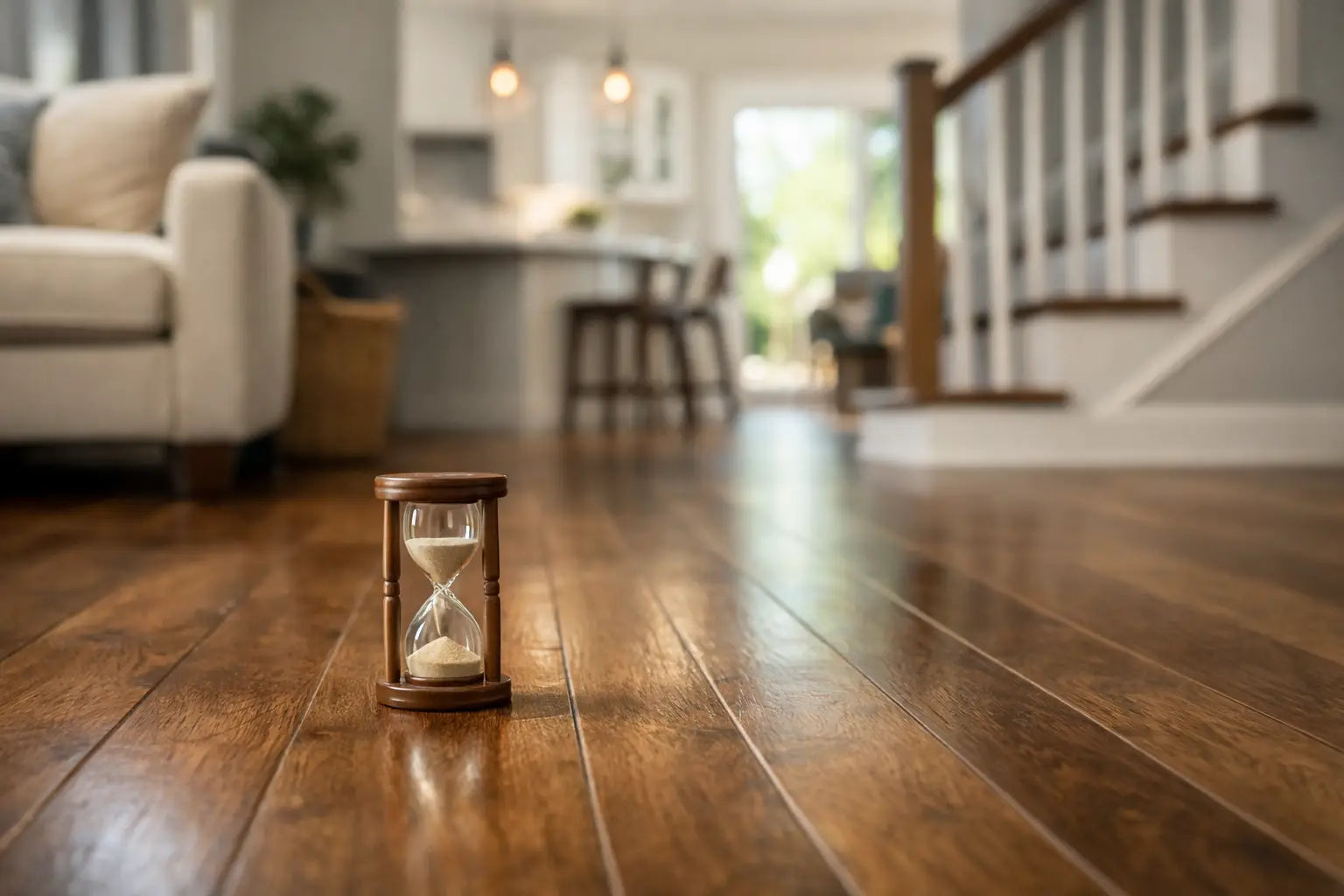
A well-chosen hardwood floor can outlast several paint colors, furniture sets, and even generations of family life. So, how long do hardwood floors last? In many homes, solid hardwood can last 50 to 100 years or more. The catch is that longevity depends on the species, the quality of installation, the finish, and how the floor is treated every day.
For homeowners considering a remodel, hardwood is not simply a flooring purchase. It is a long-term surface that can be renewed rather than replaced. That makes it one of the strongest choices for homeowners who want everyday beauty, lasting value, and a floor that can keep up with real life.
How Long Do Hardwood Floors Last? It Depends on the Type
Not all hardwood flooring has the same lifespan. The construction of the material matters just as much as the wood species on top.
Solid hardwood often lasts a lifetime
Solid hardwood is milled from a single piece of wood, usually around three-quarters of an inch thick. Because it has substantial material above the tongue-and-groove connection, it can typically be sanded and refinished several times over its life.
With professional installation and routine care, a solid oak, maple, hickory, or walnut floor may serve a home for a century. Older homes throughout the Kansas City area often still have their original hardwood floors underneath carpet or worn finishes. In many cases, those floors do not need replacement at all. They need expert restoration.
The number of times a solid floor can be refinished varies. A floor that has been aggressively sanded in the past may have less material remaining, while a carefully maintained floor may need only light refinishing every decade or two. A flooring professional can assess its condition before recommending the right path.
Engineered hardwood has a shorter, but still valuable, lifespan
Engineered hardwood combines a real hardwood top layer with a stable plywood-style core. Quality engineered flooring often lasts 20 to 40 years, and premium products can last longer when cared for properly.
Its refinishing potential depends on the thickness of the wear layer. Some engineered floors can be refinished once or twice. Others have a thinner veneer and are better suited for screening and recoating rather than full sanding. This does not make engineered hardwood a lesser choice. Its layered construction can perform especially well in areas where humidity changes are a concern. It simply requires smart product selection from the start.
What Shortens a Hardwood Floor's Life?
Hardwood is durable, but it is not indestructible. Most premature floor damage comes from moisture, grit, poor maintenance, or installation conditions that were overlooked.
Water is the biggest concern. A dishwasher leak, overflowing pet bowl, wet entryway, or slow plumbing issue can stain boards, cause cupping, or loosen the finish. Hardwood should not be soaked during cleaning, and spills should be wiped up promptly. In kitchens and near exterior doors, absorbent mats can make a meaningful difference.
Grit is another quiet culprit. Sand and tiny bits of debris act like sandpaper beneath shoes and furniture, gradually dulling a finish and creating scratches. Regular sweeping or vacuuming with a hard-floor setting protects the surface far better than waiting until the floor looks dirty.
Humidity also deserves attention in Greater Kansas City, where seasonal weather can shift quickly. Wood naturally expands as humidity rises and contracts when indoor air becomes dry. A properly acclimated floor, correct expansion gaps, and a reasonably stable indoor humidity level help reduce seasonal movement, gaps, and cupping.
Finally, installation quality has a direct effect on how long a floor performs well. The right subfloor preparation, moisture testing, fastening method, and transition details protect both the appearance and the structure of the finished floor. A beautiful product can still have problems if those steps are rushed.
The Finish Usually Wears Out Before the Wood Does
Many homeowners assume that scratches or dullness mean their hardwood floors are at the end of their useful life. Usually, the wood itself is still in excellent condition. What has worn down is the protective finish.
A quality finish may last roughly 7 to 15 years before a maintenance coat is needed, depending on foot traffic, pets, sunlight, and cleaning habits. A busy household with large dogs and children may need attention sooner than a low-traffic formal room. Commercial spaces may also require more frequent maintenance because of daily traffic.
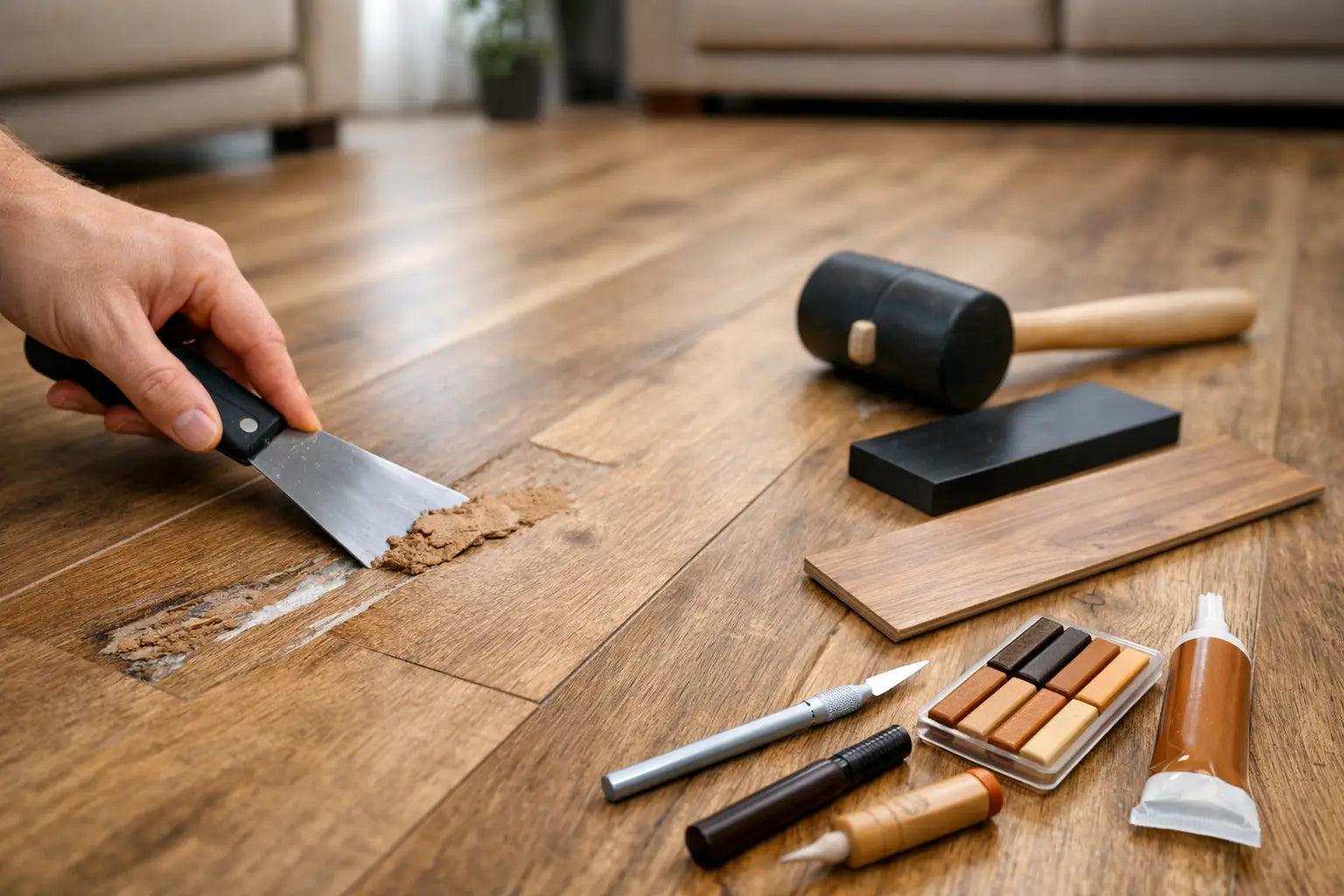
When the finish is lightly worn but the wood is not deeply damaged, a screen and recoat can restore protection without sanding down to bare wood. This process lightly abrades the existing finish and applies a fresh protective coat. It is often faster and less invasive than a full refinish.
A full sanding and refinishing is more appropriate when there are deep scratches, worn-through areas, significant discoloration, or old finish layers that need to be removed. This is where hardwood earns its reputation for long-term value: a floor can look tired after decades of use and still be restored into a centerpiece of the home.
Signs Your Hardwood Floor May Need Restoration
A few surface scratches are normal, especially in active homes. The more useful question is whether the finish is still protecting the wood below it.
Watch for gray or blackened areas, especially near sinks, entry doors, and pet water stations. These can indicate moisture has reached the wood. Boards that are cupping, separating, or lifting may point to an active moisture issue that should be addressed before refinishing. Deep gouges, widespread dullness, and bare traffic paths are also signs that the floor needs professional attention.
Sunlight can create another common concern. Rugs and furniture may leave lighter or darker outlines after years in one place. Refinishing can blend the overall appearance, though very deep UV color changes may require realistic expectations. A knowledgeable contractor should explain what restoration can improve and where natural wood variation may remain.
Simple Habits That Help Hardwood Last Longer
The best way to extend a hardwood floor's life is to protect the finish before damage reaches the boards. Use felt pads under chair and table legs, and replace them when they collect grit. Place mats at exterior doors, but avoid rubber-backed mats that may trap moisture or discolor the finish.
Sweep frequently, especially near entrances and in kitchens. Use cleaning products made for finished hardwood floors and follow the product directions carefully. Steam mops, soaking wet mops, wax products, and harsh household cleaners can damage the finish or leave buildup behind.
For homes with pets, keep nails trimmed and wipe up accidents quickly. For homes with children, a few scratches are part of a well-loved house. The advantage of hardwood is that those marks do not have to be permanent.
Is Hardwood Worth It for the Long Run?
Hardwood generally costs more upfront than many flooring alternatives, but its lifespan changes the equation. Laminate and luxury vinyl can be attractive, practical options for specific rooms, budgets, and moisture conditions. When they wear out, however, they are usually replaced. Solid hardwood can often be repaired, refinished, and adapted to new styles over time.
That flexibility is especially valuable during renovations. A natural floor can be refinished in a lighter tone, a warmer stain, or a clean natural look without replacing the entire surface. It also adds a level of character that many homeowners and buyers continue to value.
If you are unsure whether your existing floor can be saved or whether new hardwood is the right investment, start with an in-home assessment. A careful look at the wood thickness, moisture conditions, subfloor, traffic patterns, and your family's routine can turn a broad lifespan estimate into a plan that fits your home. With the right material and craftsmanship, hardwood can be one of the few parts of your house that grows more meaningful with time.

Leave a comment
This site is protected by hCaptcha and the hCaptcha Privacy Policy and Terms of Service apply.