Is Luxury Vinyl Worth It for Your Home?
A floor can look great in the showroom and still be the wrong choice once real life hits it. Dogs race through the kitchen, kids spill drinks, tenants drag furniture, and business traffic never seems to stop. That is why so many homeowners and property managers ask the same question: is luxury vinyl worth it?
The honest answer is yes for many spaces, but not every space. Luxury vinyl has earned its popularity because it gives you the look of hardwood or tile with easier maintenance, lower cost, and better moisture resistance. At the same time, it is not a perfect replacement for every material, and the long-term value depends on where you install it, what level of product you choose, and how well it is installed.
Is luxury vinyl worth it compared to other flooring?
Luxury vinyl is often worth it when your top priorities are durability, budget control, and a polished look without the maintenance demands of hardwood. For busy households, rental properties, offices, retail spaces, and lower-level rooms, it can solve a lot of problems at once.
Where luxury vinyl stands out is everyday practicality. It handles foot traffic well, resists scratches better than many softer floor materials, and performs far better around moisture than traditional hardwood. If you want a floor that looks upscale but fits a more flexible budget, luxury vinyl is a strong contender.
That said, "worth it" depends on what matters most to you. If you want the natural character, refinishing potential, and long-term prestige of real wood, hardwood may still be the better investment. If you need a floor for a laundry room, basement, break room, or kitchen where spills are part of the routine, luxury vinyl may make more sense.
What you are really paying for
Many buyers focus on the price per square foot, but flooring value is bigger than the material alone. You are paying for appearance, performance, lifespan, maintenance, and installation quality.
Luxury vinyl usually costs less than solid hardwood and many tile installations, especially when labor and prep are considered. That lower upfront cost is a big reason people choose it. But the cheapest luxury vinyl products are not always a bargain. Thin planks, weak wear layers, and poor locking systems can lead to visible wear, movement, or early replacement.
A better way to judge value is to think in terms of total use. If you install a quality luxury vinyl floor in the right room and it performs well for years with minimal upkeep, that is good value. If you buy a low-grade product for a high-traffic area and it starts showing problems quickly, the savings disappear.
The biggest advantages of luxury vinyl
Luxury vinyl has become popular for practical reasons, not just style trends. The first is moisture resistance. In rooms where water, humidity, or spills are common, that matters. Kitchens, bathrooms, mudrooms, basements, and some commercial spaces benefit from a floor that does not react the way hardwood can.
The second advantage is comfort. Luxury vinyl typically feels softer and warmer underfoot than tile. That makes it easier to live with in family homes and more forgiving in spaces where people stand for long periods.
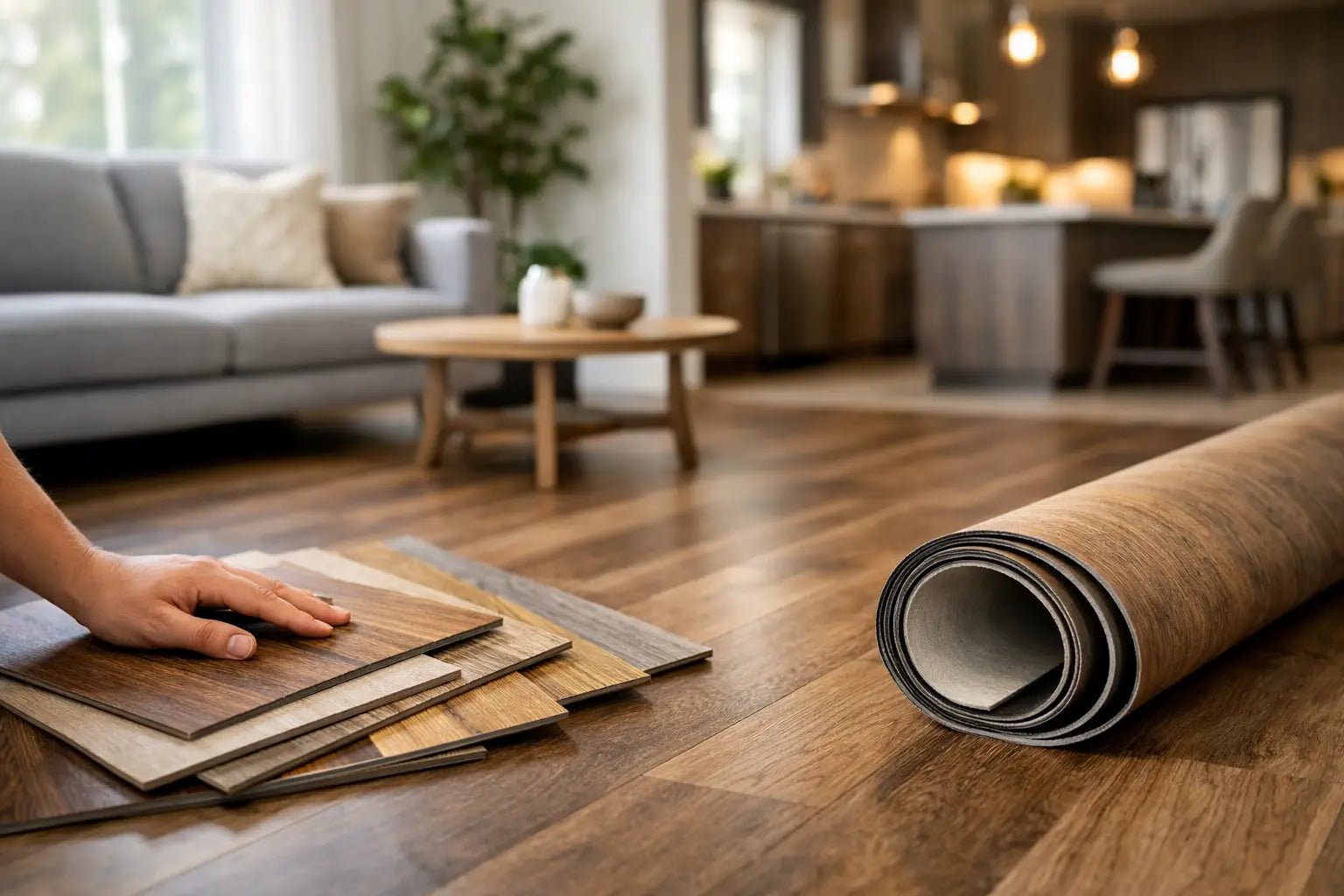
The third is design flexibility. Today’s luxury vinyl comes in wood-look and stone-look styles that are far more convincing than older sheet vinyl products. You can find colors and textures that work with modern, traditional, rustic, or commercial interiors.
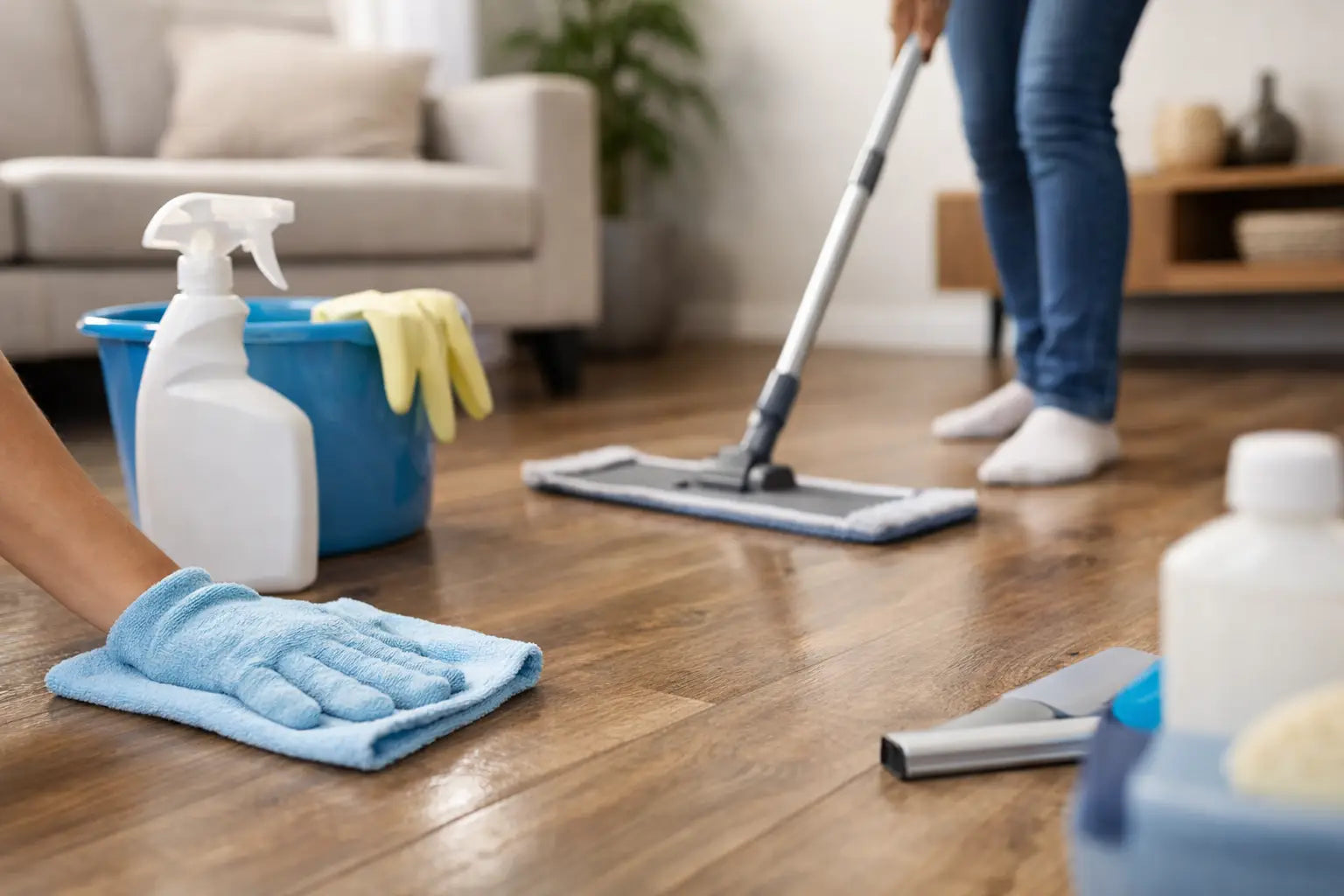
Then there is maintenance. Luxury vinyl is one of the easier floors to keep clean. Regular sweeping and occasional damp mopping are usually enough. You do not need refinishing, polishing, or specialized care routines in the way some natural materials require.
Where luxury vinyl may fall short
Luxury vinyl is a smart option, but it does have limits. The biggest one is that it is still a manufactured flooring product. Even high-end luxury vinyl does not fully duplicate the depth, variation, and natural feel of real hardwood.
That matters most in spaces where long-term resale appeal or architectural character is a priority. In a formal living area, a custom home, or a high-end renovation, genuine hardwood may offer a stronger return in appearance and perceived value.
Another downside is repair and longevity. While luxury vinyl is durable, it cannot usually be sanded and refinished like hardwood. Once it is significantly damaged or worn, replacement is often the solution. In some cases, individual planks can be replaced, but that depends on the product and installation method.
There is also a quality gap within the category. Not all luxury vinyl is built the same. Wear layer thickness, core construction, texture, and locking strength all affect how the floor performs. A homeowner who has only seen budget-grade vinyl may not realize how much better premium options look and feel.
Is luxury vinyl worth it for kitchens, bathrooms, and basements?
In many cases, yes. These are some of the best places to consider luxury vinyl.
Kitchens demand a floor that can handle dropped utensils, pet traffic, spilled water, and daily messes. Luxury vinyl offers a good balance of style and resilience there. Bathrooms and laundry rooms also benefit from moisture resistance, especially in homes where humidity levels rise or splashes are common.
Basements are another strong use case. Traditional hardwood can be risky below grade because of moisture concerns. Luxury vinyl gives you a finished, attractive look in a part of the home where practical performance matters just as much as appearance.
For commercial settings, the same logic applies. Offices, waiting areas, retail environments, and multi-family units often need flooring that looks professional without creating a maintenance burden. Luxury vinyl can check those boxes when the right product is selected.
Installation makes a big difference
Even a high-quality luxury vinyl floor can disappoint if the installation is rushed or the subfloor is not properly prepared. Uneven subfloors, poor transitions, bad cuts, and skipped prep work can lead to movement, gaps, noise, and premature wear.
That is one reason value should never be measured by product cost alone. Proper installation protects your investment. It also helps the floor look better from day one and last longer under normal use.
A consultative flooring company should help you compare thickness, wear layers, room suitability, and subfloor conditions before the work starts. That guidance is especially important if you are deciding between hardwood, laminate, and luxury vinyl for the same project.
When hardwood is still the better choice
Luxury vinyl is not here to replace hardwood in every room. Real wood still has unique advantages, especially for homeowners who want timeless character and the ability to refinish rather than replace.
If you are upgrading a main living area, restoring an older home, or investing in a premium design with long-term resale in mind, hardwood may offer more lasting satisfaction. Many homeowners also simply prefer the authenticity of natural wood grain and variation.
This does not make luxury vinyl a compromise in the negative sense. It just means the right flooring choice depends on how the room is used and what outcome matters most to you.
So, is luxury vinyl worth it?
If you want flooring that looks attractive, handles daily wear, resists moisture, and stays within a practical budget, luxury vinyl is often worth it. It is especially valuable in busy households, lower-level spaces, and commercial environments where performance matters as much as style.
If your goal is maximum authenticity, refinishing potential, or the premium feel of real wood, then luxury vinyl may not be your first choice for every room. That is why the best flooring decisions are not made by trend alone. They are made by matching the material to the space, the traffic, and the expectations you have for the years ahead.
A good floor should make life easier, not just look good on install day. If you are weighing options for your home or property, start with how the space is actually used. That is usually where the right answer becomes clear.

Leave a comment
This site is protected by hCaptcha and the hCaptcha Privacy Policy and Terms of Service apply.