Article: Site Finished vs Prefinished Floors Compared
Site Finished vs Prefinished Floors Compared
A new hardwood floor can completely change how a room feels, but the finish decision affects far more than color. When comparing site finished vs prefinished floors, homeowners need to weigh the look they want against installation timing, household disruption, maintenance expectations, and long-term value. Both can be beautiful, durable choices when the material and installation are right for the space.
For many Kansas City homeowners, the best option comes down to one question: Do you want maximum design flexibility and a continuous custom look, or do you need a faster installation with less finishing work happening inside your home?
Site Finished vs Prefinished Floors: The Main Difference
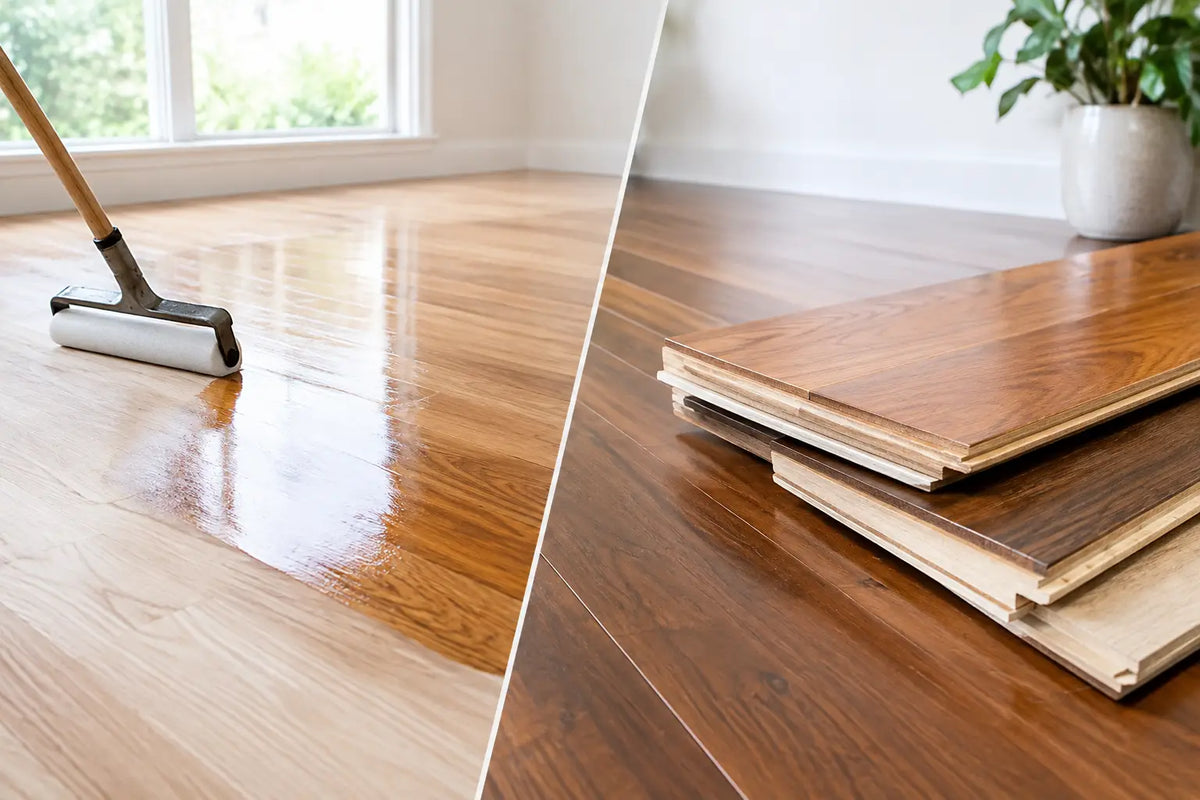
A site-finished hardwood floor is installed as raw wood, then sanded, stained, and sealed after it is in place. Because the finishing happens after installation, the boards are leveled together and the finish extends across the floor rather than stopping at the edge of each plank.
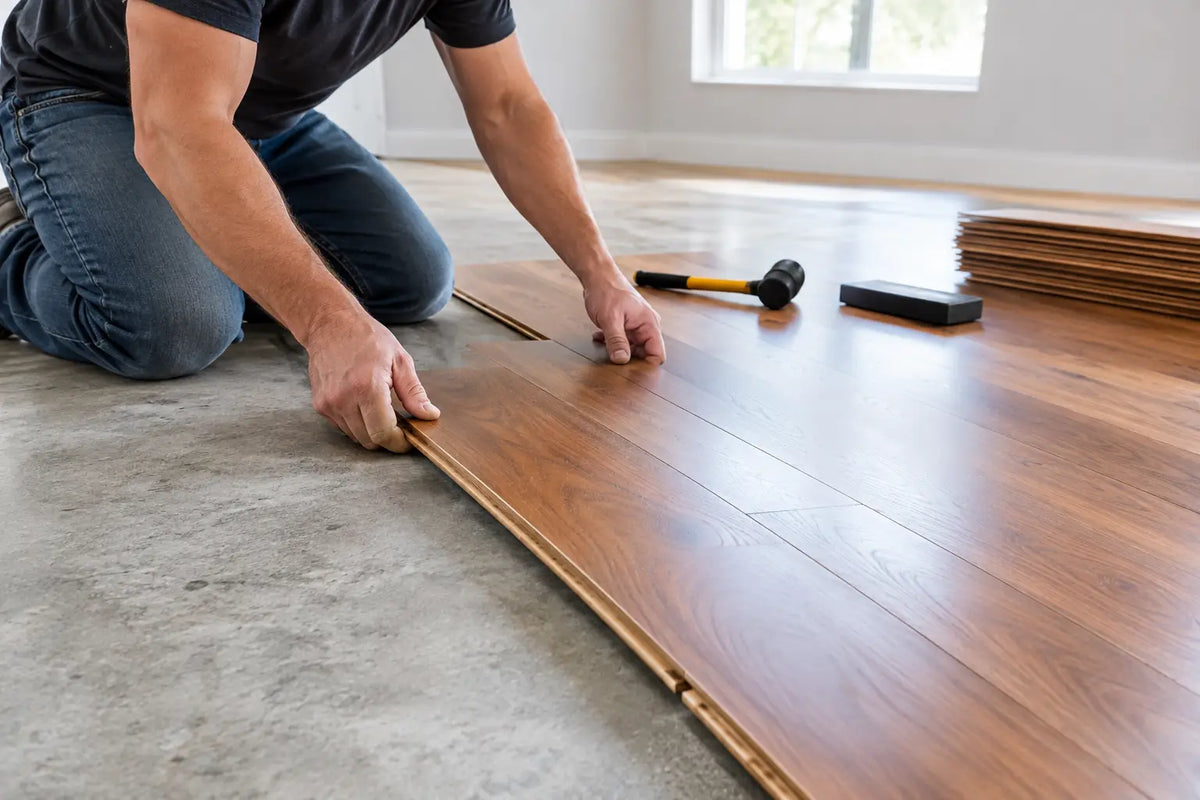
A prefinished hardwood floor arrives with its stain and protective coating already applied at the factory. The installer fits the finished boards together, usually without sanding or coating the entire room on site. This can shorten the project timeline considerably.
Neither approach is automatically better. A well-installed prefinished floor can perform exceptionally well, while a poorly selected site finish can create frustration. The right choice depends on the room, the product, your schedule, and the level of customization you expect.
Why Homeowners Choose Site-Finished Hardwood
Site finishing is often the preferred route when a homeowner wants a truly tailored floor. You can select a stain that works with existing cabinetry, trim, furniture, or a specific design vision. If you are restoring a historic home or matching hardwood in an adjacent room, that control can make a meaningful difference.
The finished surface also tends to look more continuous. Once the installer sands the floor, slight variations in board height are blended out. The finish covers the face of the boards and often helps seal the small gaps between them. This creates a smooth, furniture-like appearance that many people associate with classic custom hardwood.
Better for custom colors and matching existing wood
Factory color choices have expanded, but they are still limited to what the manufacturer produces. With a site-finished floor, stain can be tested directly in your home under your lighting. That matters because the same stain can look warmer, cooler, lighter, or darker depending on natural light and surrounding finishes.
This option is particularly useful when adding new wood flooring beside an existing hardwood area. A flooring professional can assess the species, age, grain pattern, and current color, then develop a finishing plan that brings the spaces closer together. An exact match is not always possible, especially with older wood, but site finishing offers the strongest opportunity for a cohesive result.
A smoother, more traditional appearance
Many prefinished planks have micro-beveled edges. These small grooves help disguise tiny differences in board height and protect the factory finish during installation. Some homeowners like the defined-plank look, while others prefer the flatter, more uniform surface of a site-finished floor.
If a smooth floor is your priority, site finishing usually has the advantage. It is also a strong choice for wider planks, custom layouts, herringbone patterns, and projects with intricate borders or transitions.
What to expect during the process
The trade-off is time and activity in the home. After installation, the wood must be sanded, stained if desired, and coated. Modern dust-containment equipment helps manage the process, but sanding is still more involved than installing prefinished material. You will also need to allow appropriate dry and cure time before moving furniture back or returning the room to regular use.
Water-based finishes generally dry faster and have lower odor than many oil-based options, though product selection should be based on the sheen, color, repairability, and wear performance you want. A professional installer can explain the timing for the specific finish system rather than relying on a one-size-fits-all schedule.
Why Prefinished Floors Appeal to Busy Households
Prefinished hardwood is designed for efficiency. Since the stain and protective coating are already applied, installers can complete the floor without sanding and finishing the full room afterward. That makes it an appealing option for occupied homes, quick remodel timelines, retail spaces, and rental properties where downtime needs to stay limited.
The factory-applied finish is another advantage. Many quality prefinished products use multiple cured coats that are difficult to reproduce in a home environment. These finishes can offer excellent resistance to everyday scratches and wear, especially when paired with a reputable hardwood product and careful installation.
Faster installation with less odor and dust
For a family living through a renovation, the practical difference can be substantial. Prefinished floors reduce the sanding dust and finish odor associated with traditional on-site work. While there is still normal construction activity, the room can often return to service sooner than it would with a site-finished floor.
That speed can be valuable in commercial settings as well. A business owner may need a polished, durable surface without closing an area for an extended finishing and curing period.
The limits of factory finishing
Prefinished flooring does require some compromises. The color and sheen are chosen before the floor arrives, so there is less room to customize. The beveled edges may collect a little more dust than a flush site-finished surface, although regular vacuuming and proper hardwood cleaning keep this manageable.
Because each plank is finished individually, moisture protection at the joints is also different. Hardwood should never be treated as waterproof, regardless of finish type. Promptly wiping spills, maintaining stable indoor humidity, and using mats at exterior doors remain essential habits for either option.
Durability Is More Than the Topcoat
Homeowners often assume prefinished means more durable because the finish is factory cured, while others believe site-finished hardwood lasts longer because it has a continuous surface. There is some truth on both sides, but the full picture is more nuanced.
The wood species, thickness of the wear layer, finish quality, installation method, and daily care all affect performance. A hard species such as white oak may handle a busy household differently than a softer species such as pine. A high-quality prefinished floor with a durable factory coating can be an excellent choice for active families. A professionally finished solid hardwood floor can also serve a home beautifully for decades and can often be refinished multiple times.
Ask about the specific product, not just whether it is prefinished or site finished. For engineered hardwood, pay close attention to the thickness of the real-wood veneer. A thicker wear layer usually provides more future refinishing options. Solid hardwood offers the greatest refinishing flexibility, but it may not be appropriate for every location, especially below grade.
Budget and Timeline Considerations
Prefinished flooring can reduce labor time because it eliminates most on-site sanding and coating work. However, the material itself may cost more due to the factory finishing process. Site-finished hardwood can offer flexibility in material selection, but labor and finishing costs need to be included in the budget.
The most useful comparison is the complete installed price, not the price per square foot of a box of flooring. Include demolition if needed, subfloor preparation, trim work, transitions, stain samples, finishing coats, furniture moving, and the time the room will be unavailable. A clear estimate helps prevent an apparently lower-cost option from becoming more expensive after project details are added.
In homes throughout Olathe, Overland Park, Lenexa, Leawood, Shawnee, and Kansas City, seasonal humidity is another planning factor. Wood naturally expands and contracts as conditions change. Proper acclimation, moisture testing, and subfloor preparation are not optional details. They are central to a floor that stays attractive and stable over time.
Which Floor Is Right for Your Home?
Choose site-finished hardwood when custom color, a smooth continuous appearance, or matching existing floors is the priority. It is often the better fit for homeowners who are willing to allow more time for a personalized result.
Choose prefinished hardwood when you want a dependable finished product with a shorter installation schedule, reduced on-site finishing activity, and factory-applied durability. It can be an especially practical choice when a room needs to return to use quickly.
The best decision starts with seeing real samples in your home, not just looking at photos online. Compare them beside your cabinets, in your daylight, and under your evening lighting. A knowledgeable flooring professional can also evaluate the condition of your subfloor, explain product differences, and help you choose a floor that fits both your budget and the way your household actually lives. At FC Hardwood Floors, that kind of careful guidance is how we help make your house a home.

Leave a comment
This site is protected by hCaptcha and the hCaptcha Privacy Policy and Terms of Service apply.