
Article: Vinyl Flooring Ideas for Every Room at Home
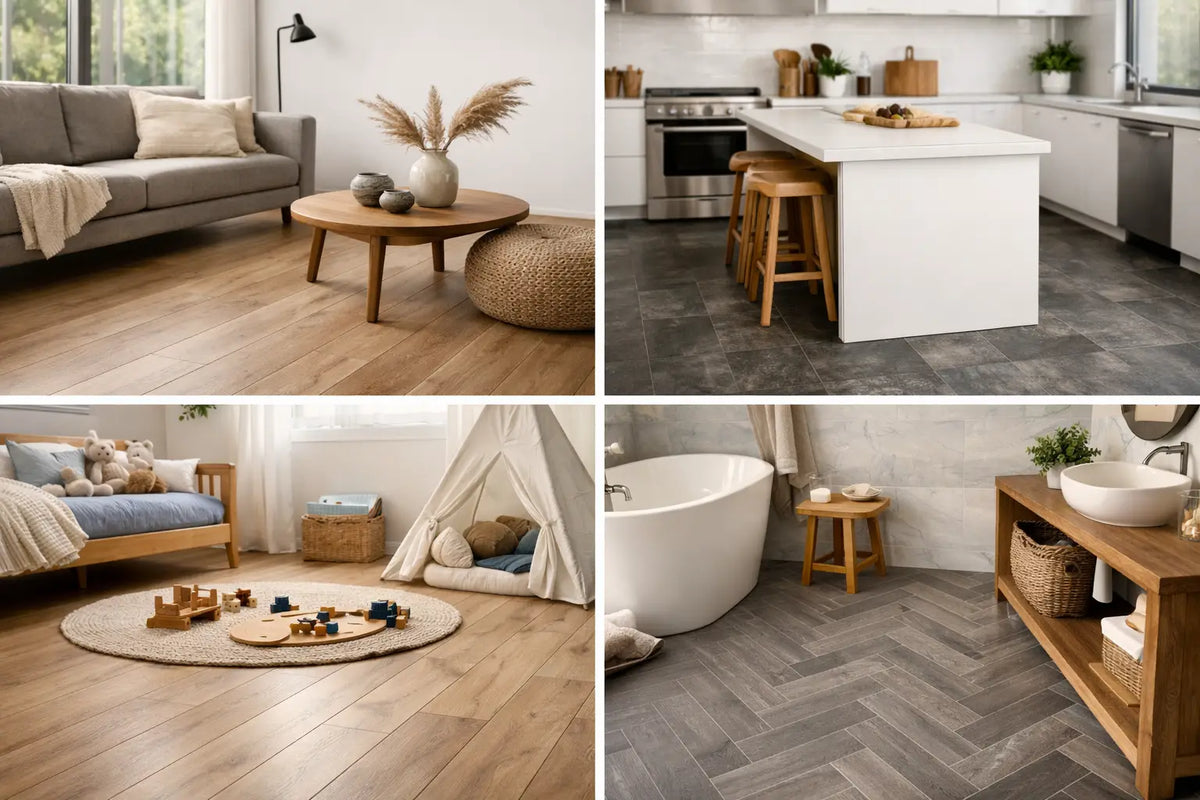
Vinyl Flooring Ideas for Every Room at Home
A floor can make a remodeled kitchen feel finished, give a small bathroom more presence, or help a busy entryway look cleaner between weekend chores. The best vinyl flooring ideas do more than follow a trend. They solve the everyday needs of the room while giving your home the warm, polished look you want at a price that feels practical.
Luxury vinyl has become a popular choice for Greater Kansas City homes because it offers realistic wood and stone visuals, comfortable footing, and dependable moisture resistance. Still, the right choice depends on the room, the amount of natural light, the condition of the subfloor, and how your family actually uses the space.
Vinyl Flooring Ideas That Start With How You Live
Before choosing a color or plank pattern, think about the demands placed on the floor. A formal dining room and a mudroom may share an open layout, but they do not need the same level of durability. Homes with children, pets, frequent visitors, or active outdoor routines often benefit from a vinyl product with a thicker wear layer and a textured finish that helps disguise everyday scuffs.
Vinyl flooring can also be a smart fit for rental properties, finished basements, and commercial spaces where appearance matters but downtime needs to stay limited. The material is easier to maintain than many natural surfaces, and quality options can create a high-end look without the cost and care requirements of hardwood or natural stone.
The key is not treating all vinyl as interchangeable. Luxury vinyl plank, luxury vinyl tile, and sheet vinyl each bring different strengths to a project. Plank flooring is often selected for wood looks, tile works well for stone and ceramic-inspired designs, and sheet vinyl can be a practical choice when continuous moisture protection and budget are top priorities.
Create a Connected Look in Open Living Areas
Open-concept homes benefit from flooring that carries cleanly from one space to the next. Wide-plank luxury vinyl in oak, maple, or hickory visuals can visually connect the kitchen, dining area, and living room without the transition lines that break up a smaller floor plan.
For a calm, current look, consider natural oak tones with soft beige, honey, or muted gray undertones. These colors work with white cabinets, warm wood furniture, black hardware, and many wall colors, making future updates easier. Avoid choosing a floor that is too close in color to cabinets or large furniture pieces. A little contrast helps the room feel layered instead of flat.
In larger rooms, wider and longer planks can create a more expansive look. In a compact condo, older bungalow, or narrow living room, a standard-width plank may feel more proportional. The goal is to match the scale of the material to the scale of the room rather than following a showroom trend that may not translate to your home.
Try a Natural Wood Look Without Hardwood Maintenance
Wood-look vinyl is one of the most flexible options for homeowners who appreciate the character of hardwood but need greater moisture resistance. It can work especially well in a kitchen that opens into a family room, where spills, pet water bowls, and heavy foot traffic are part of normal life.
Look for plank variation that feels believable but not overly dramatic. Too many strong knots, color shifts, or distressed marks can make a large space appear busy. A balanced grain pattern tends to age well and gives the room a more refined finish.
Give Kitchens Practical Style
Kitchens are one of the strongest places to use vinyl flooring. You need a surface that handles dropped utensils, splashes near the sink, and frequent cleaning, but you also want it to support the overall design of the room.
For bright kitchens with white or light-colored cabinetry, medium natural wood tones add warmth and keep the room from feeling sterile. In kitchens with dark blue, green, or charcoal cabinets, a pale oak or light stone-look vinyl can keep the space open and balanced. If you prefer a more traditional style, warmer walnut-inspired shades can pair beautifully with cream cabinets and brass accents.
A wood-look plank is usually the better choice when you want the kitchen to flow into nearby living spaces. A stone-look vinyl tile can be the better fit for a kitchen designed around a more tailored, classic appearance. Either option should be selected with realistic maintenance in mind. Textured or low-gloss finishes tend to hide crumbs, streaks, and minor wear better than very smooth, high-shine surfaces.
Use Vinyl Flooring Ideas to Upgrade Bathrooms and Laundry Rooms
Bathrooms and laundry rooms invite more experimentation because they are smaller, more enclosed spaces. Stone-look luxury vinyl tile can provide the visual effect of slate, marble, concrete, or ceramic tile without cold grout lines underfoot. Light gray and soft beige stone patterns work well in bathrooms where you want a clean, spa-inspired setting.
For a powder room, a patterned vinyl design can add personality without overwhelming the rest of the home. Consider a subtle geometric pattern or a small-scale encaustic-inspired look, especially when the walls and vanity are simple. Because the room is small, this is an opportunity to make a design statement without committing to a bold floor throughout the house.
Water resistance does not eliminate the need for proper installation. Bathroom flooring still needs careful preparation around toilets, vanities, tubs, and doorways. A professional installer can evaluate the subfloor, manage transitions, and help prevent the gaps or edge issues that allow moisture to become a problem over time.
Make Entryways and Mudrooms Work Harder
An entryway sees the real conditions of daily life: wet shoes, dust, pet paws, backpacks, and the occasional salt residue during winter weather. Here, durability matters as much as appearance. Choose a medium-tone vinyl with visible grain or gentle color movement. It will be more forgiving than an extremely light solid color or a very dark floor that shows every speck of dust.
For a mudroom, consider a tile-look vinyl in a warm gray, clay, or soft charcoal shade. It can define the space from the rest of the home while still being easy to clean. If the mudroom connects directly to a kitchen or hallway with wood-look vinyl, coordinating undertones matter more than matching the material exactly. Warm floors should generally meet warm floors, while cooler gray floors should transition to similarly cool finishes.
Consider Pattern, Direction, and Light
The installation direction of vinyl planks can change how a room feels. Running planks parallel to the longest wall often makes a narrow room look longer. In an open area, installers may follow the main line of sight from the entry or align the flooring with the dominant source of daylight.
Patterned layouts such as herringbone can add an upscale custom detail, especially in an entryway, dining room, or office. There is a trade-off: these layouts usually require more planning, more material, and more installation time than a standard straight-lay floor. They are worth considering when the design impact is a priority and the budget allows for it.
Samples are essential because lighting changes color. A floor that appears cool gray in a showroom may look warmer in your home beside south-facing windows, or it may appear darker under evening lighting. Bring samples into the room, place them beside cabinetry and paint, and look at them at different times of day before making a final decision.
Choose the Right Vinyl Construction
Not every project needs the same type of vinyl. Glue-down luxury vinyl can be an excellent option for commercial spaces, busy homes, and areas where a very stable floor is needed. It is typically installed directly to a properly prepared subfloor, making subfloor smoothness especially important.
Click-lock floating vinyl is popular for many residential projects because it installs efficiently and can work over certain existing hard surfaces when conditions are right. However, it still requires a level, clean, and dry base. Installing over an uneven floor without correcting it first can lead to movement, visible gaps, or damaged locking edges.
Thicker products and stronger wear layers generally offer better long-term performance, but the best value is not always the most expensive option. A guest room may not need the same construction as a high-traffic retail space or a family kitchen. A knowledgeable flooring consultation can help match the product to the room instead of paying for features you may not need.
Let the Floor Support the Whole Home
The most successful vinyl flooring ideas are the ones that make daily life easier while still feeling personal to the home. Whether you prefer the warmth of natural-looking planks, the clean structure of stone-look tile, or a subtle pattern in a small room, take time to compare samples and consider installation details before committing.
A carefully chosen vinyl floor can bring affordable luxury to the rooms you use most, and professional planning helps ensure that the finished surface looks as good years from now as it does on installation day.


Leave a comment
This site is protected by hCaptcha and the hCaptcha Privacy Policy and Terms of Service apply.