Best Flooring for Rental Properties That Lasts
A rental turns over on a schedule that rarely leaves room for a flooring mistake. One leaking pet bowl, one moving-day scrape, or one tenant who skips felt pads can turn a low-cost choice into an early replacement. The right flooring for rental properties should look inviting at a showing, hold up under everyday use, and make sense when you calculate cost over several lease cycles.
For property owners in Greater Kansas City, that calculation also includes wet spring days, winter salt, muddy shoes, and the occasional basement moisture concern. A beautiful floor matters, but dependable performance matters more. The best choice is usually the one that fits the property, the tenant profile, and the level of maintenance you can reasonably expect.
Start With the Rental, Not the Sample Board
There is no single best floor for every rental. A luxury townhome in Leawood may justify a different material than a busy pet-friendly duplex in Olathe or a commercial suite with frequent foot traffic. Before choosing a color or wood look, consider where the floor will be installed and how the space will be used.
Entryways, kitchens, bathrooms, laundry rooms, and lower-level spaces need stronger moisture resistance. Bedrooms and upper-level living areas may give you more flexibility, especially when appearance is a major part of the rental's appeal. If the unit allows pets, expect more scratches, accidents, and concentrated wear near doors and feeding areas.
Turnover is another deciding factor. A material that can be cleaned, spot-repaired, or replaced without disrupting the entire unit can save time between tenants. The goal is not always the lowest upfront price. It is fewer surprises, less downtime, and a floor that continues to support the property's value.
Luxury Vinyl: A Practical Favorite for Rentals
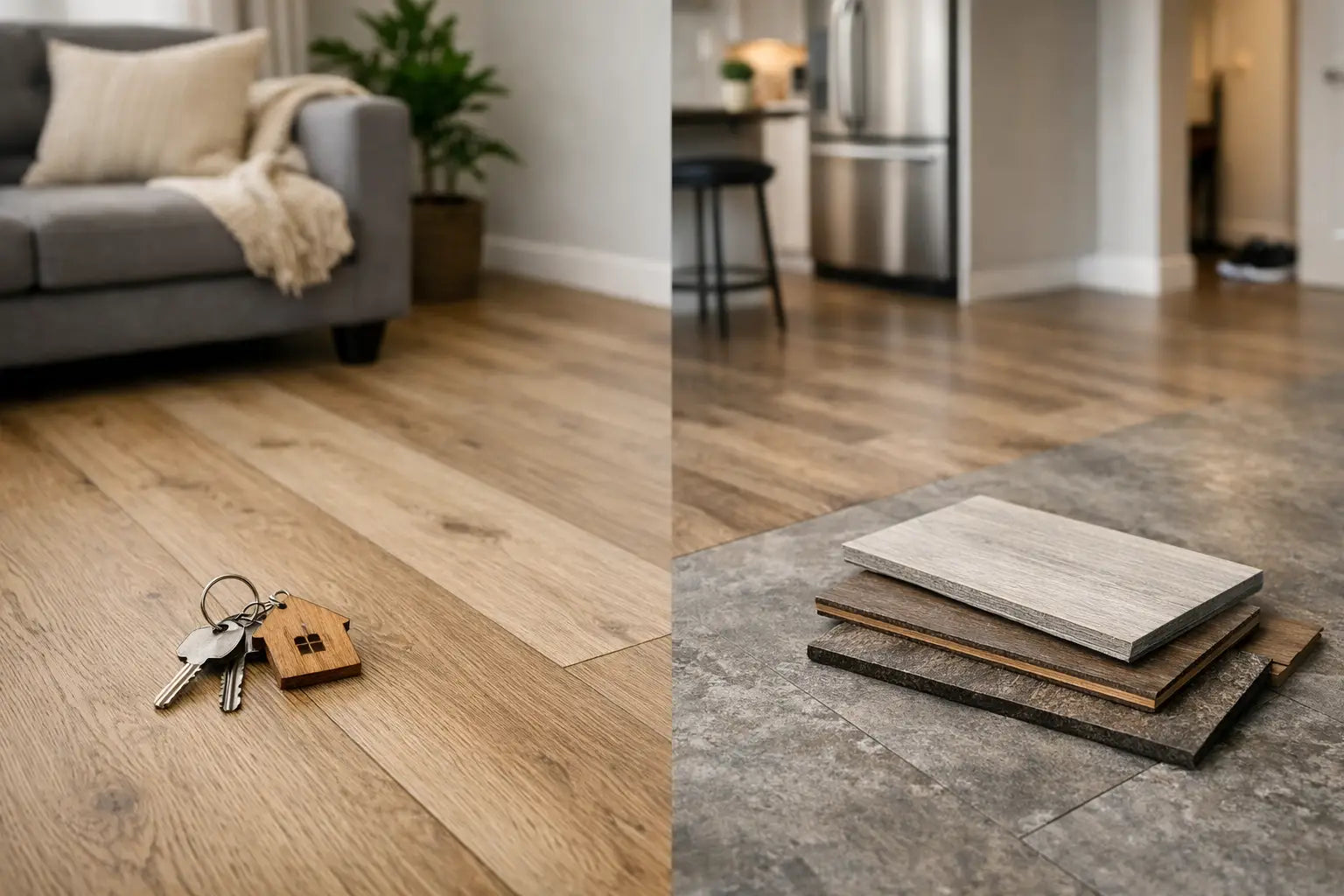
Luxury vinyl plank and luxury vinyl tile have become popular choices for good reason. They offer realistic wood and stone visuals, a comfortable feel underfoot, and strong resistance to water and everyday wear. For many rentals, luxury vinyl provides the balance of appearance and practicality owners are looking for.
Quality matters here. A thicker wear layer generally provides better protection against scuffs, scratches, and traffic patterns. A well-installed luxury vinyl floor can perform especially well in kitchens, hallways, living rooms, bathrooms, and basements where moisture is a concern.
Luxury vinyl is also helpful when you want a cohesive look throughout most of a unit. A warm oak-style plank can make a rental feel more current and spacious without the maintenance demands of natural wood. Choose a mid-tone color with subtle grain variation rather than an extremely light or dark finish. It is more forgiving of dust, small scratches, and routine tenant wear.
The trade-off is that damaged planks can be more complicated to replace in certain floating or glued-down installations. It is wise to keep a few cartons from the original batch for future repairs. Very inexpensive vinyl may also show dents or wear sooner, particularly in high-traffic properties.
Laminate Flooring Works Well in the Right Rooms
Modern laminate flooring can provide a convincing hardwood look at an approachable price. It is a strong option for bedrooms, living rooms, and other dry areas where you want better scratch resistance than many basic flooring products offer.
For rentals with pets or active households, laminate's durable top layer can be a real advantage. It is also relatively quick to install, which can help keep renovations and tenant turnover moving forward. Many current products feature water-resistant construction, but water-resistant does not mean waterproof.
That distinction matters. Standing water, plumbing leaks, and moisture that reaches seams can cause swelling or edge damage. Laminate is often best reserved for areas where spills can be addressed promptly and moisture is not a recurring issue. It may not be the first choice for full bathrooms, laundry rooms, or below-grade spaces with known humidity concerns.
When selected carefully and installed correctly, laminate offers a clean, updated appearance that helps a rental compete without overextending the budget.
Hardwood Can Add Value, With a Long-Term Plan
Hardwood flooring remains one of the most desirable surfaces in residential real estate. It has warmth, character, and a level of visual appeal that photographs beautifully in a listing. In higher-end rentals, hardwood can help support a premium feel and attract tenants who value a more established, finished home.
Its greatest advantage is longevity. Unlike many surface-only products, solid hardwood can often be refinished when wear becomes visible. Scratches, dullness, and color changes do not automatically mean the entire floor must be replaced. With proper restoration, hardwood can continue serving a property for decades.
That does not make it the automatic answer for every rental. Natural wood can scratch, dent, and react to moisture. It needs a clear plan for maintenance and a realistic understanding of the tenant's lifestyle. Hardwood makes the most sense in living areas, dining rooms, and bedrooms of well-maintained properties where the rental rate and long-term strategy support the investment.
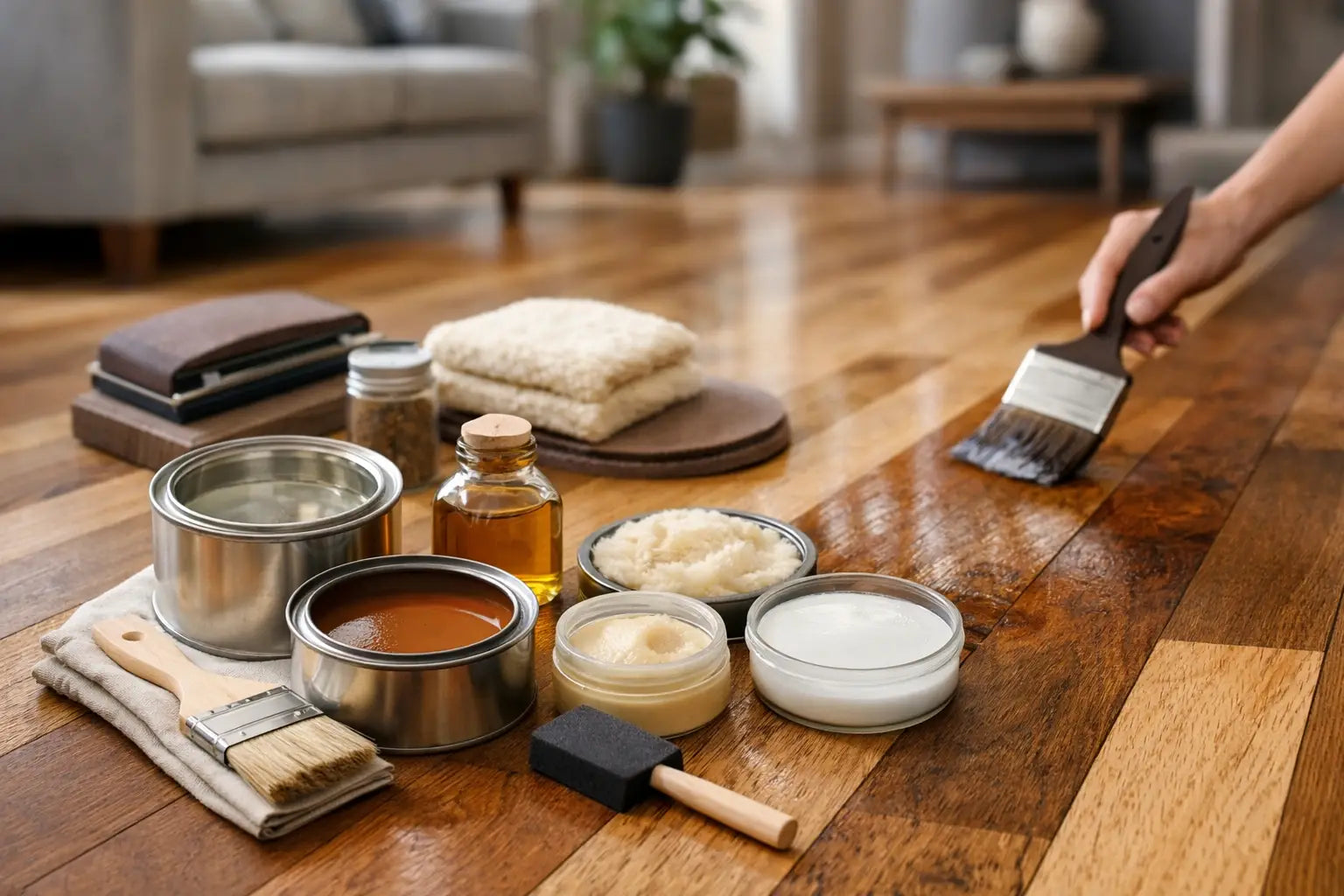
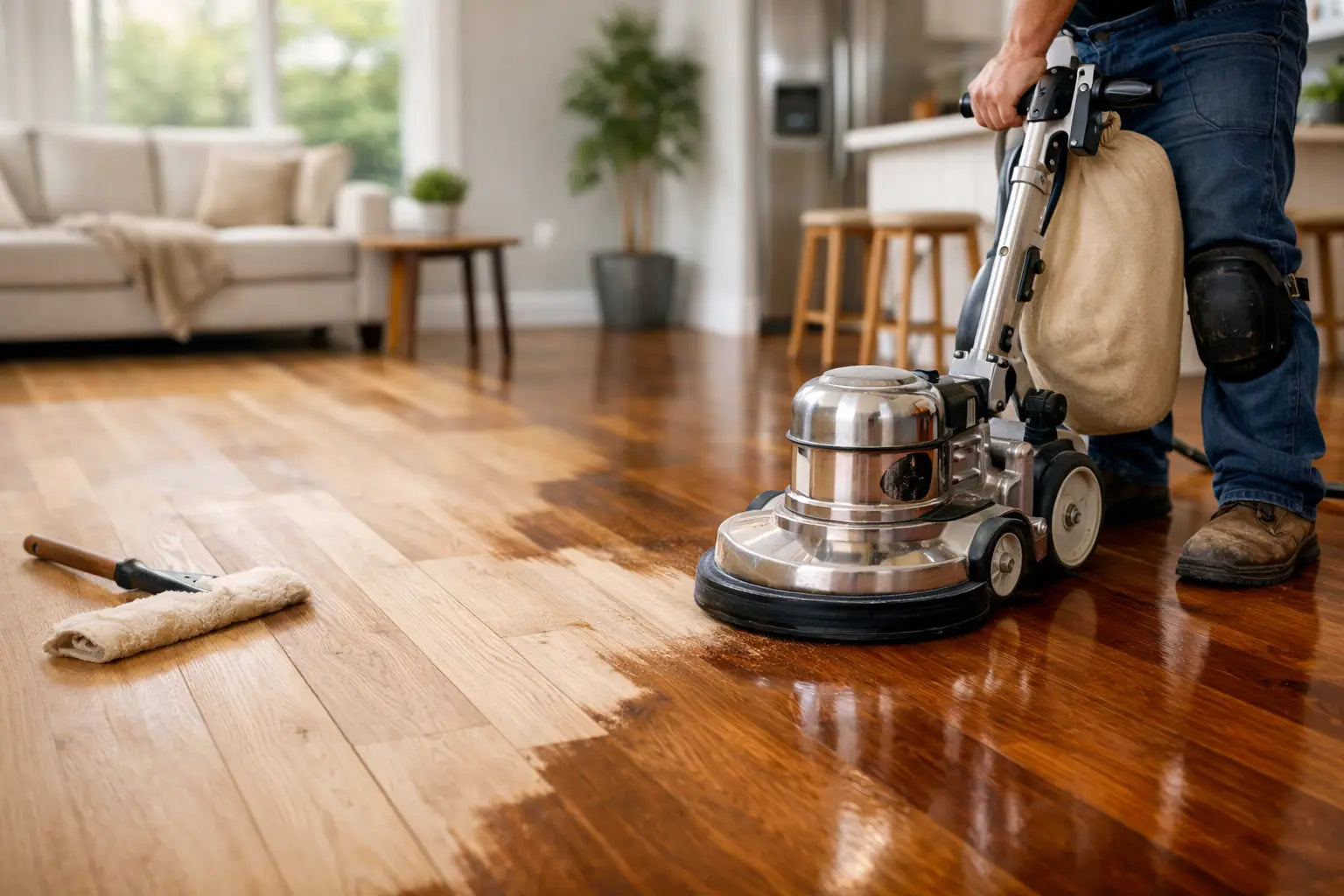
If existing hardwood is hiding beneath an old floor or showing surface wear, restoration may be worth considering before replacement. Refinishing can preserve the home's character while giving the unit a fresh, market-ready finish.
Carpet Has a Limited but Useful Role
Carpet is no longer the default flooring choice for rentals, but it still has a place. Bedrooms are the most common application because carpet adds warmth, reduces sound transfer, and can make upstairs spaces feel more comfortable. It can also be less expensive to replace in one room than hard-surface flooring throughout an entire unit.
The downside is predictable: stains, odors, allergens, and faster wear. In pet-friendly rentals or units with frequent turnover, carpet often creates more cleaning and replacement decisions than owners expect. If you use it, select a stain-resistant product in a medium neutral tone and avoid very light beige or heavily textured styles that trap debris.
Many owners get the best result by limiting carpet to bedrooms and using hard-surface flooring in common areas. This approach keeps the home comfortable while reducing the most common maintenance headaches.
What to Look for in Flooring for Rental Properties
A good rental floor is not simply tough. It should also be easy to live with and easy to market. As you compare materials, focus on these practical questions:
- Can it handle the likely moisture level in this room?
- Will its finish hide normal dust, scuffs, and minor scratches?
- Is it appropriate for pets, children, heavy traffic, or commercial use?
- Can damaged areas be repaired without replacing a large section?
- Will the style still look current after several years?
- Does the material fit the rent level and expected return on investment?
Avoid chasing a short-lived trend simply because it is popular in one remodel. Flooring is a long-term surface. A classic, well-made option is usually easier to maintain, easier to rent around, and less likely to feel dated after the next turnover.
Installation Quality Protects the Investment
Even the best material can fail early if the subfloor is not properly prepared. Uneven surfaces, moisture problems, incorrect underlayment, and rushed transitions can lead to gaps, movement, noise, or premature damage. This is where professional guidance pays off.
An experienced installer will assess the condition of the existing floor, identify moisture risks, and recommend the right installation method for the product and room. They can also help create practical transitions between materials, which is especially valuable when combining luxury vinyl in wet areas with laminate, hardwood, or carpet elsewhere.
At FC Hardwood Floors, we help property owners compare flooring options based on real use, not just a showroom sample. A clear estimate, product samples, and an honest conversation about maintenance can make the decision easier before work begins.
Build a Flooring Plan That Simplifies Future Turnovers
If you own multiple units, consistency can be one of your best tools. Using one or two approved flooring styles across similar properties makes ordering, repairs, and future replacements simpler. Keep records of product names, color numbers, installation dates, and leftover materials. Those small details can prevent a frustrating mismatch years later.
It also helps to establish basic tenant care expectations. Entry mats, furniture pads, prompt spill cleanup, and quick reporting of leaks can extend the life of nearly any floor. Clear guidance protects your investment without making the lease feel restrictive.
The strongest rental flooring choice is the one that gives tenants a home they are proud to live in while giving you confidence at every turnover. Start with the room, the rental's market position, and the life you expect from the floor, then choose a material built to meet all three.

Leave a comment
This site is protected by hCaptcha and the hCaptcha Privacy Policy and Terms of Service apply.