Waterproof Laminate Flooring Review for Homes
A busy kitchen, a dog’s water bowl, wet boots by the back door, and the occasional spill are where flooring promises get tested. This waterproof laminate flooring review looks past the marketing language to explain what these floors can handle, where their limits are, and whether they are a smart fit for your home.
Waterproof laminate has come a long way from the thin, shiny laminate many homeowners remember. Today’s better products offer realistic wood visuals, textured surfaces, stronger locking systems, and cores designed to resist moisture. For many Kansas City-area homes, it can deliver the warm look of hardwood at a more accessible price. The key is choosing the right product and installing it correctly.
Waterproof Laminate Flooring Review: What “Waterproof” Means
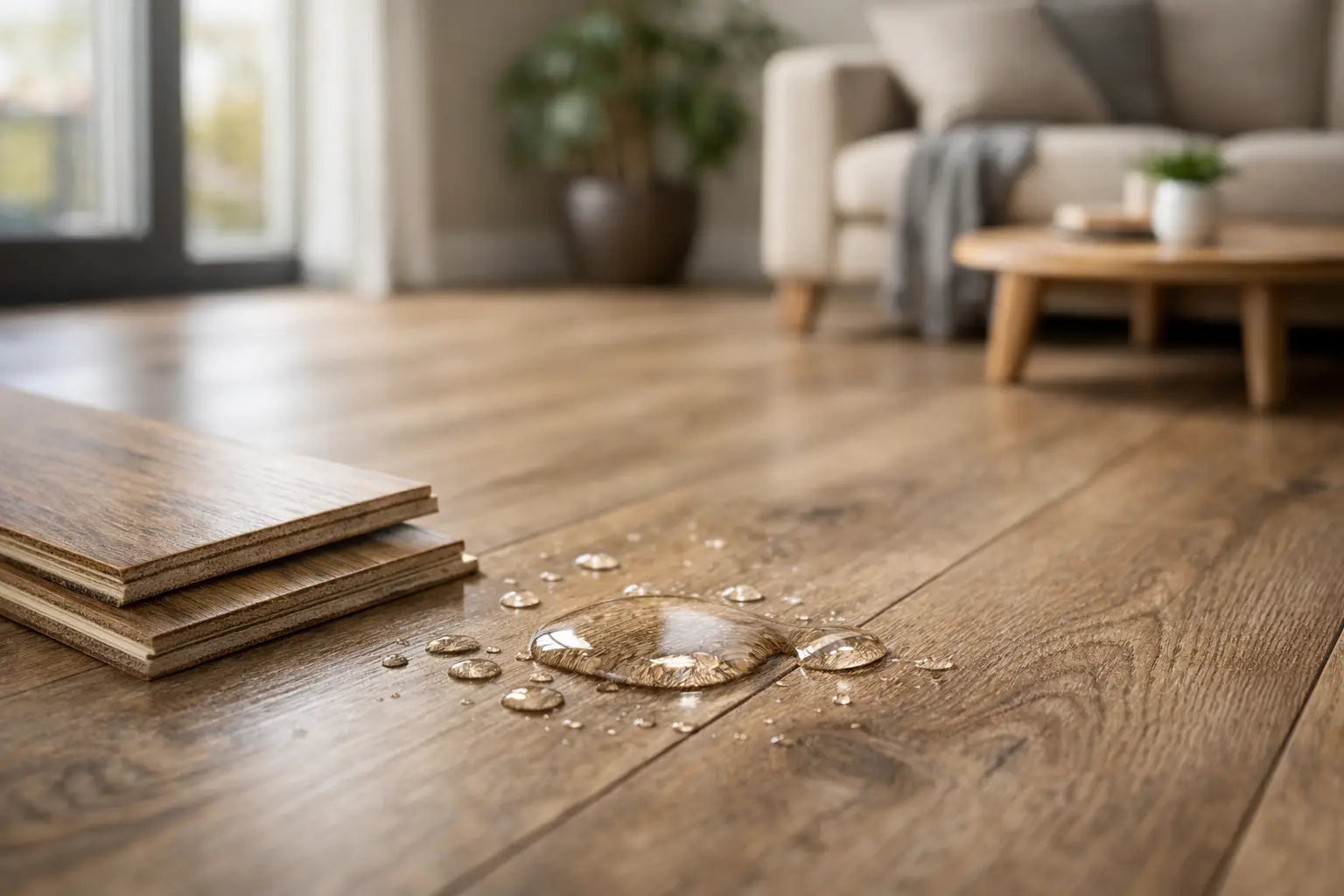
Waterproof laminate is typically built with a dense, moisture-resistant core, a durable wear layer, a decorative wood-look layer, and a locking edge designed to keep water from reaching the seams. When a manufacturer calls a product waterproof, it usually means standing water can remain on the surface for a stated period without causing damage to the planks.
That is useful protection, but it is not a promise that the floor can survive every water event. A spill wiped up after dinner is very different from a dishwasher leak that runs beneath the flooring overnight. Water may still find its way through an unsealed perimeter, around plumbing penetrations, beneath loose transition pieces, or through damaged plank edges.
Read the warranty details before treating waterproof laminate as a worry-free choice. Some warranties cover spills for 24, 48, or 72 hours. Others require prompt cleanup, proper underlayment, and approved installation methods. Most do not cover flooding, water coming up from a concrete slab, or moisture that enters from underneath the floor.
For kitchens, entryways, laundry rooms, and open-concept living areas, that level of protection is often exactly what a household needs. For a full bathroom with frequent standing water or a basement with a history of moisture, a different product may be the safer long-term answer.
Where Waterproof Laminate Performs Well
The strongest reason to consider waterproof laminate is balance. It gives homeowners a wood-inspired floor that feels more substantial and traditional than many sheet products, while offering better day-to-day spill protection than standard laminate or site-finished hardwood.
Its high-density core also helps it resist dents and routine household wear. Families with children, pets, and active schedules often appreciate a floor that does not demand constant caution. A quality laminate wear layer can stand up well to chairs, dropped toys, and regular foot traffic, particularly when compared with softer wood species.
Appearance matters, too. Modern laminate patterns can include longer and wider planks, low-gloss finishes, embossed grain texture, and varied board visuals that reduce repetition. A well-selected floor can make a remodel feel polished without consuming the budget needed for cabinets, lighting, or other upgrades.
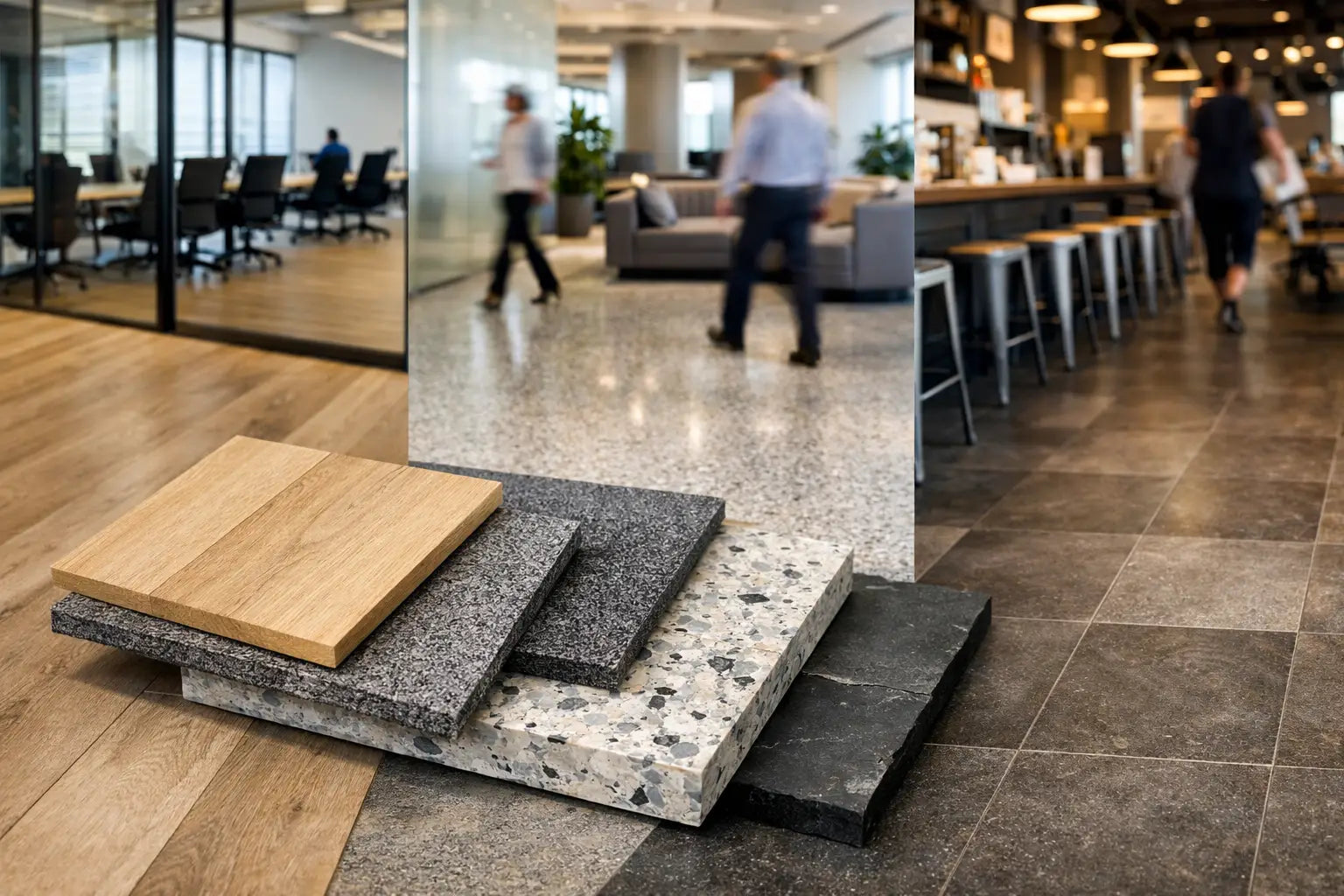
Waterproof laminate can also be a practical choice for rental properties, offices, retail spaces, and common areas that need a clean, consistent appearance. Commercial settings still need the right wear rating and installation plan, but laminate’s durability and efficient installation can make it a sensible option for projects with firm timelines.
Comfort and sound depend on the installation
Laminate is not naturally as quiet or warm underfoot as hardwood, especially when installed over concrete. The right underlayment can improve sound control and comfort, but it must be compatible with the flooring manufacturer’s requirements. Using the wrong material can affect performance and may void warranty coverage.
Subfloor preparation matters just as much. A floating floor needs a flat, stable surface. If the subfloor has dips, movement, or moisture concerns, the planks may flex, separate at the joints, or develop noise over time. Good flooring begins below the surface.
The Trade-Offs to Consider Before Buying
No flooring material is perfect, and waterproof laminate has clear limitations. The biggest one is that it is water-resistant by design, not invincible. It should not be installed where water exposure is constant or where flood risk is a serious concern. If a floor drain backs up, a supply line fails, or groundwater reaches the subfloor, the flooring may need to be removed so the area can dry properly.
Laminate also cannot be refinished like real hardwood. When hardwood develops scratches or wear, restoration may bring it back to life. Laminate’s image layer is factory-made, so a deeply damaged plank usually needs replacement. Keeping a few extra cartons from the original dye lot is a wise precaution for future repairs.
Another consideration is repair access. Because many laminate floors use a click-lock floating system, replacing a plank in the center of a room can be more involved than replacing a damaged vinyl tile. An experienced installer can assess the best repair method, but prevention still helps. Use felt pads under furniture, mats at exterior doors, and protective casters beneath rolling office chairs.
Finally, waterproof laminate is not always the best-value option simply because it costs less than hardwood. Product quality varies significantly. Very inexpensive laminate may have a weaker locking profile, less convincing visuals, limited water protection, or a thinner wear layer. A better product with professional preparation and installation often provides more value than a bargain floor that must be replaced early.
Waterproof Laminate Flooring Review: Laminate vs. Luxury Vinyl
Homeowners often compare waterproof laminate with luxury vinyl plank, and both deserve consideration. Luxury vinyl is generally more forgiving around water because its core is not wood-based. That makes it a strong choice for bathrooms, below-grade spaces, and rooms where wet mopping or repeated moisture is expected.
Waterproof laminate, however, may offer a more wood-like feel underfoot and a firmer, more substantial sound when it is installed over a properly prepared subfloor. Its surface can also provide highly realistic grain texture and visual depth. The better choice depends on the room, your preferred look, and the type of water exposure the space is likely to see.
Choose waterproof laminate when you want a durable, wood-inspired floor for living rooms, bedrooms, hallways, kitchens, and entry areas where spills are occasional and cleaned up promptly. Consider luxury vinyl for bathrooms, mudrooms that see frequent wet footwear, basements with moisture concerns, or homes where pets and children create regular water exposure.
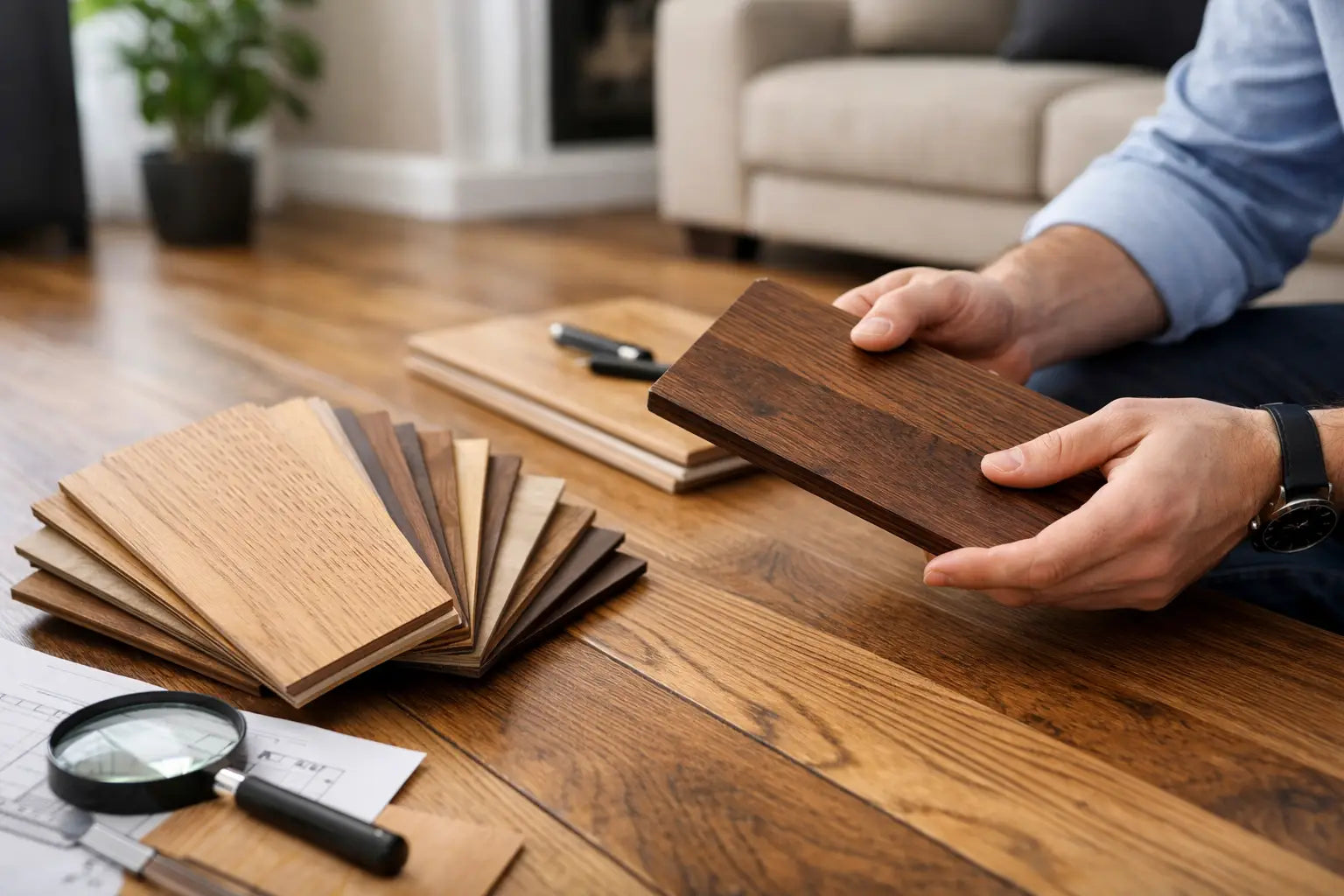
If you are deciding between the two, take home samples. Look at them in morning and evening light, place them next to your cabinetry and paint, and walk on them without shoes. The floor should work with your daily life, not just look good under showroom lights.
What Professional Installation Protects
The installation details behind waterproof laminate are easy to overlook, but they are central to its performance. Planks need the required expansion space around walls, cabinets, and fixed objects. The underlayment must match the manufacturer’s instructions. Concrete subfloors need moisture testing, and uneven areas may need leveling before flooring goes down.
Installers also need to plan transitions, door jamb cuts, baseboards, and perimeter sealing where the product calls for it. These details affect how the floor moves with seasonal changes and how well it resists moisture at vulnerable edges. Skipping them can turn a quality product into a disappointing result.
At FC Hardwood Floors, we encourage homeowners to start with the room rather than the label. A free estimate and product samples make it easier to compare color, texture, budget, subfloor conditions, and expected wear before making a commitment.
Is Waterproof Laminate a Good Investment?
For the right room, yes. Waterproof laminate is a strong middle-ground flooring choice for homeowners who want attractive wood styling, reliable everyday durability, and better spill protection without the cost of hardwood. It is especially appealing when a remodel needs a cohesive look across connected living spaces.
The best results come from realistic expectations. Clean spills promptly, protect the floor from prolonged moisture, use approved cleaning products, and address leaks before they become a flooring problem. With a quality product, thoughtful preparation, and careful installation, waterproof laminate can help make a house feel more finished, comfortable, and ready for real life.

Leave a comment
This site is protected by hCaptcha and the hCaptcha Privacy Policy and Terms of Service apply.