Best Commercial Flooring Materials for Busy Spaces
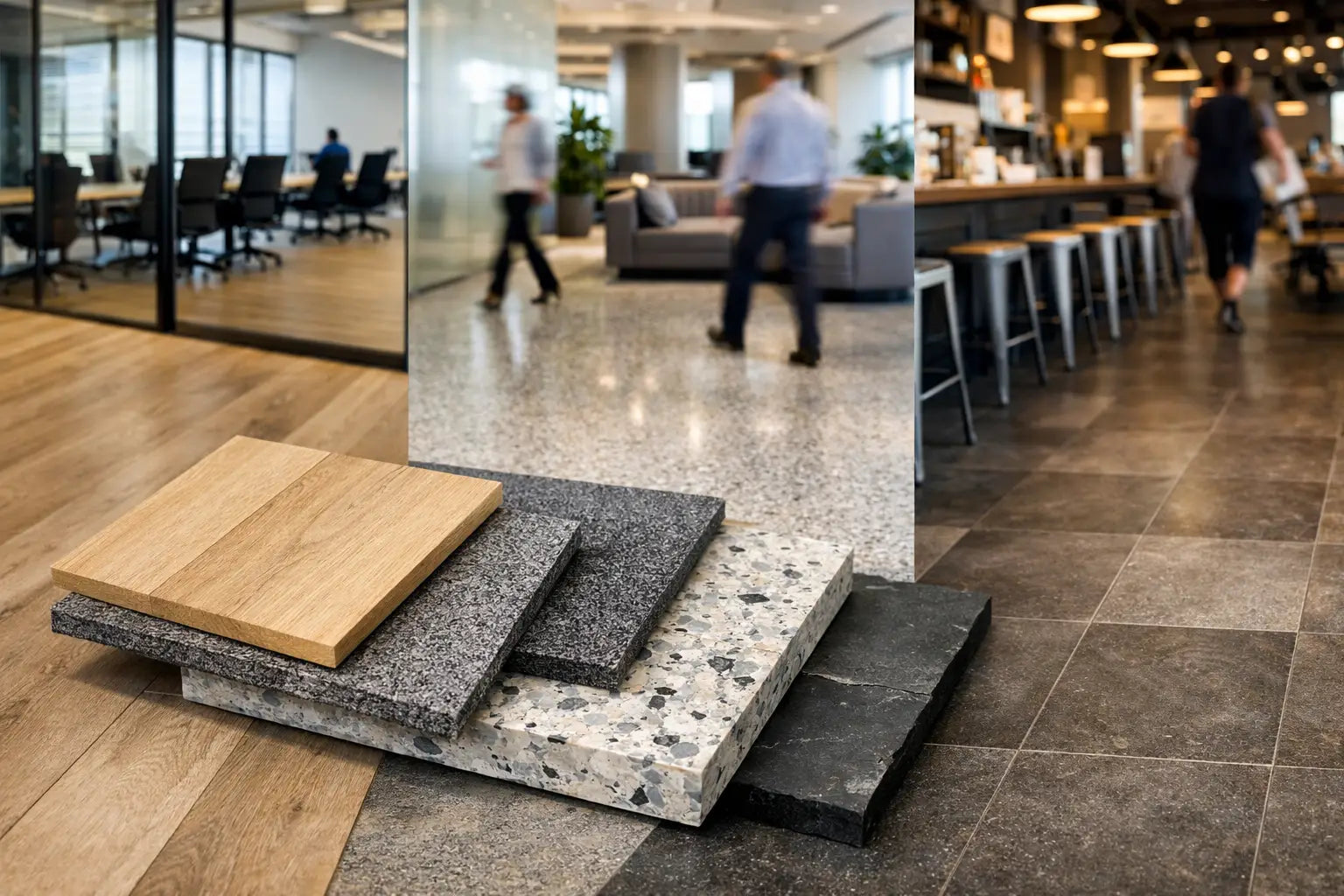
A commercial floor has to do more than look good on opening day. It needs to handle foot traffic, rolling chairs, spills, cleaning routines, and the daily wear that comes with serving customers or supporting employees. The best commercial flooring materials balance performance with the feeling you want people to have when they walk through the door.
For a boutique, office, medical practice, restaurant, or multi-unit property, there is no single right answer. A busy reception area may need a different surface than private offices or a back-of-house workspace. The strongest flooring choice starts with how the space is used, who uses it, and how much maintenance your team can realistically manage.
What Makes Commercial Flooring a Smart Investment?
Commercial flooring should be evaluated over its full service life, not just by the installation price. A low-cost material can become expensive if it needs frequent repairs, shows wear quickly, or disrupts business when it is replaced. On the other hand, a premium floor only makes sense when its appearance, durability, and maintenance needs fit the setting.
Start by considering traffic patterns. Entryways, corridors, checkout areas, and shared workspaces generally receive the most pressure. Moisture is another major factor, especially near exterior doors, break rooms, restrooms, and service counters. Then consider acoustics, comfort underfoot, cleaning requirements, and whether the floor needs to support a particular brand image.
A law office may benefit from the warmth of hardwood in client-facing rooms. A retail shop may need resilient luxury vinyl that can handle frequent movement and quick cleaning. Property managers may prioritize a material that is easy to replace in sections between tenants. The right choice is practical, but it should also support the experience your business wants to create.
Best Commercial Flooring Materials to Consider
Luxury Vinyl Tile and Luxury Vinyl Plank
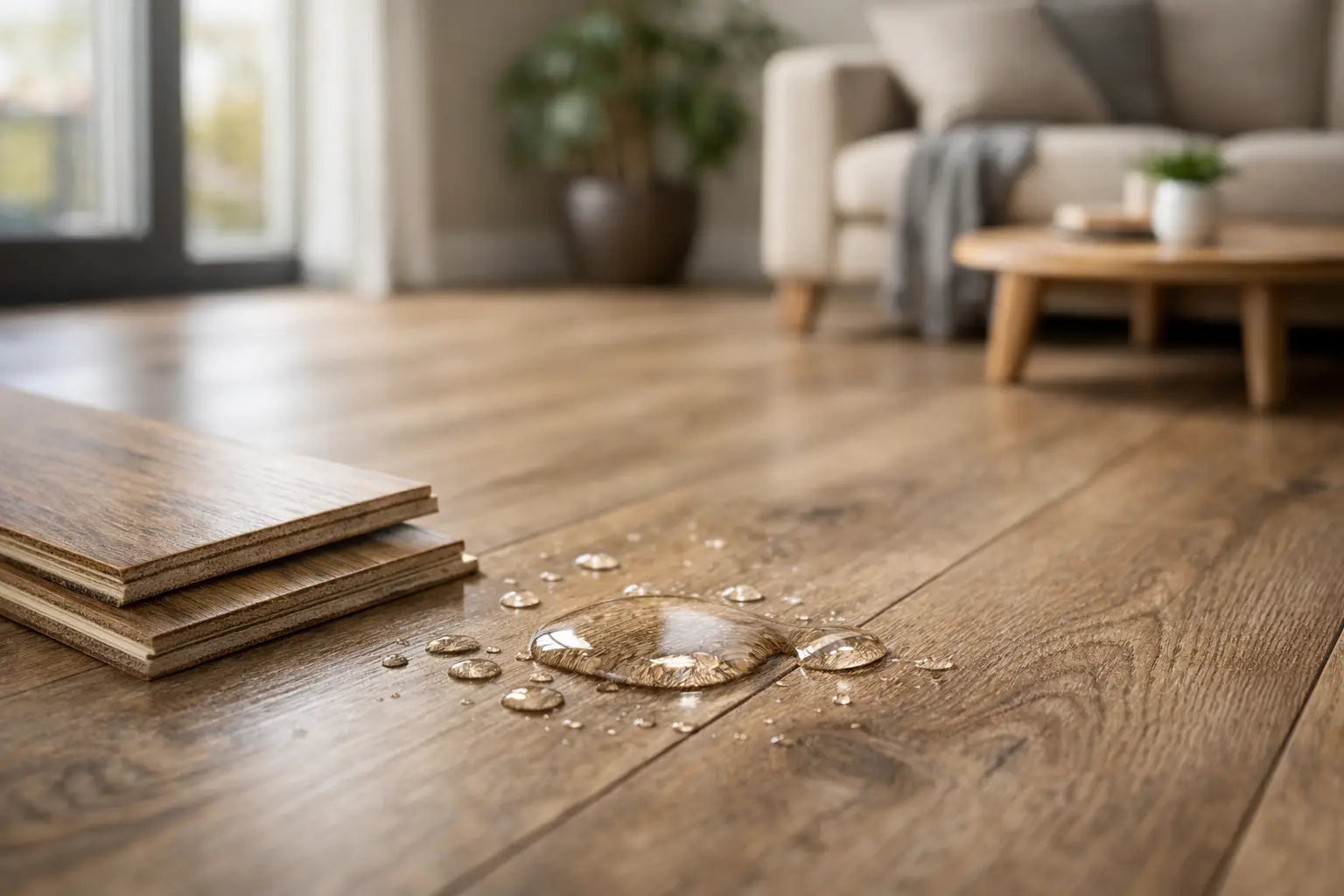
Luxury vinyl flooring is one of the most versatile options for commercial interiors. Available in wood, stone, and tile-inspired visuals, LVT and LVP deliver a polished appearance without the upkeep demands of many natural materials. Quality commercial-grade vinyl resists scratches, stains, and everyday moisture, making it a strong fit for offices, retail spaces, salons, clinics, and common areas.
This material is also comfortable underfoot compared with ceramic tile or polished concrete. That can matter for employees who stand for long stretches of the day. Individual planks or tiles can often be replaced if a portion becomes damaged, which is helpful in high-use spaces.
Luxury vinyl is not indestructible. Heavy furniture, sharp objects, and poor subfloor preparation can still leave marks or create installation issues. Product quality matters greatly, so a professional can help you compare wear layers, installation methods, and warranty coverage instead of selecting based on color alone.
Commercial Hardwood Flooring
Hardwood gives a commercial interior a level of character that few materials can match. It works especially well in professional offices, restaurants, boutique retail stores, hospitality spaces, and upscale reception areas. Natural grain and color variation help create a welcoming, established look that vinyl or laminate can imitate but not fully duplicate.
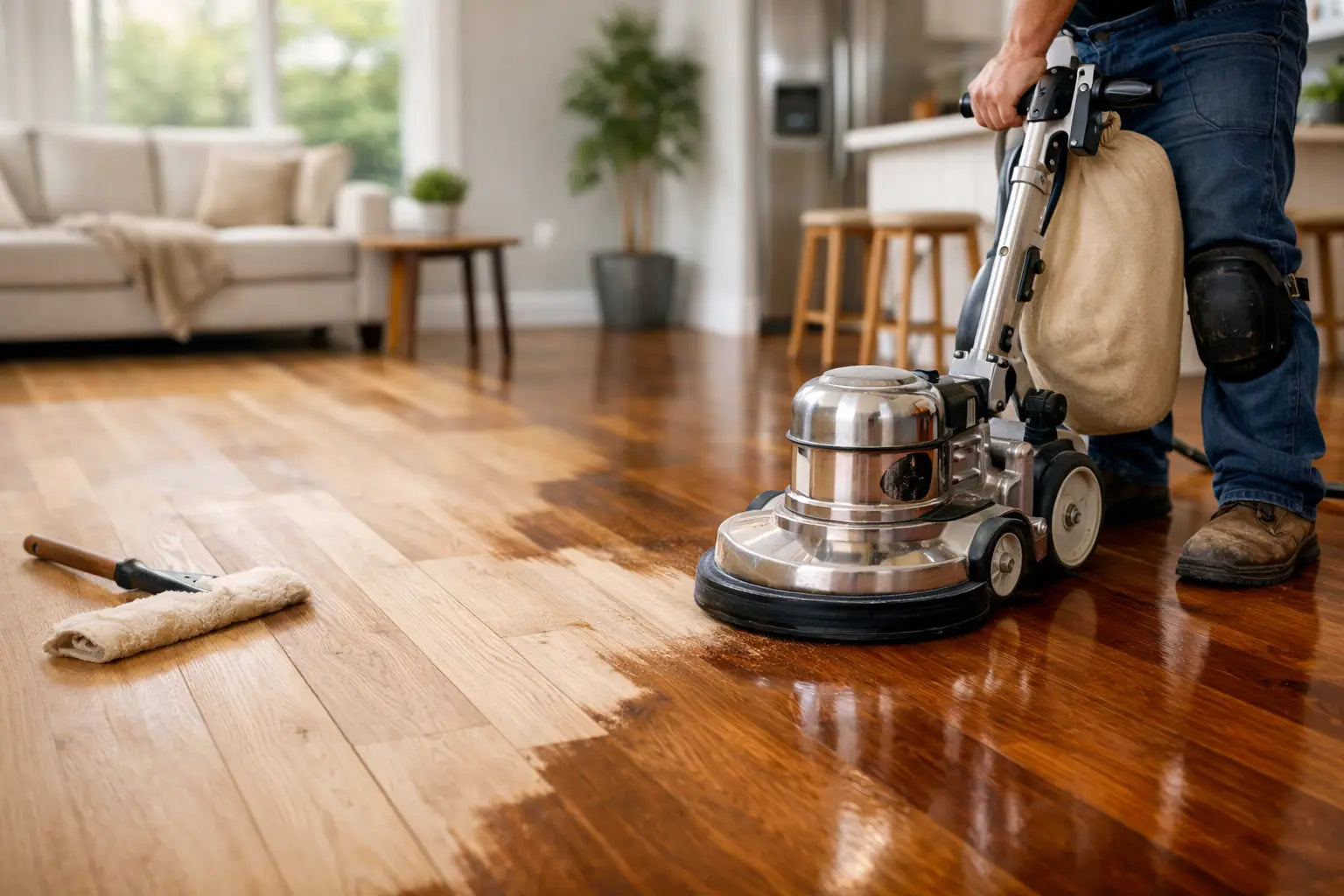
For commercial applications, engineered hardwood is often a practical option. Its layered construction provides more dimensional stability than solid wood in environments where humidity can shift throughout the year. A properly selected and installed wood floor can also be refinished, extending its useful life and refreshing its appearance after years of service.
Wood is best used where moisture is controlled and spills are addressed promptly. It is not the first choice for restrooms, commercial kitchens, or entries exposed to snow, rain, and road salt. In Kansas City-area businesses, entry mats and thoughtful transition planning can make a real difference during wet winter weather.
Laminate Flooring
Commercial laminate can offer the look of wood at a budget-friendly price point. It is a sensible choice for low- to moderate-traffic office spaces, leased suites, and areas where appearance matters but a large flooring investment is difficult to justify. Modern laminate designs offer realistic textures and a broad range of colors.
Its protective top layer helps it stand up to scuffs and minor scratches. However, laminate is less forgiving when water reaches the seams or core. It is usually better suited to private offices, conference rooms, and dry commercial settings than to spaces with frequent spills or wet mopping.
The key is to select a product rated for commercial use and pair it with careful installation. A floor that looks good but has weak transitions, uneven subfloor conditions, or poorly planned moisture protection will not deliver the value you expect.
Carpet Tile
Carpet tile remains a practical commercial choice where noise control and comfort are priorities. It is common in offices, education settings, hotels, and collaborative workplaces because it softens sound from footsteps and conversations. It also brings warmth to spaces that might otherwise feel hard or echoing.
The biggest advantage is replaceability. If one section is stained or damaged, you can often replace the affected tiles instead of removing an entire room of carpet. Commercial carpet tiles are available in patterns and multi-tone designs that help disguise soil between cleanings.
Carpet tile is less suitable for areas with regular moisture, food spills, or heavy rolling loads. It also needs a consistent vacuuming and professional cleaning schedule to maintain a clean appearance. For many offices, it performs best in work areas while resilient flooring handles entries, break rooms, and corridors.
Porcelain Tile
Porcelain tile is exceptionally durable, water-resistant, and easy to clean. It is a dependable option for restrooms, lobbies, food-service areas, and other locations where moisture and frequent sanitizing are expected. With the right finish, it can also provide good slip resistance.
The trade-off is that tile is hard underfoot and can create more noise in busy spaces. It can also be more costly and time-consuming to install, particularly when subfloor preparation is needed. A cracked tile may be repairable, but matching older materials can be difficult if extras were not saved from the original project.
Polished Concrete and Epoxy Systems
For warehouses, showrooms, garages, industrial spaces, and modern commercial interiors, concrete and epoxy systems can be highly effective. Polished concrete offers a clean, contemporary appearance with impressive durability. Epoxy coatings can add chemical resistance and color options where a protected concrete surface is needed.
These materials are tough, but they are not automatically maintenance-free. Concrete may require sealing and can feel cold or hard in customer-facing settings. Epoxy preparation is critical, since coatings can fail when moisture issues or surface contaminants are not addressed before installation. These options work best when the building condition and intended use support them.
Match the Floor to Each Zone
Many successful commercial projects use more than one flooring material. This approach lets you invest where appearance has the greatest impact while choosing highly practical surfaces where durability and cleanup matter most.
For example, an office may use hardwood or luxury vinyl in its reception area, carpet tile in private offices, and porcelain or vinyl in the break room. A retail store may use resilient flooring across the sales floor, with a more durable tile entry that handles weather and sidewalk grit. Matching the floor to the zone is often more cost-effective than forcing one material into every part of the building.
Transitions deserve attention as well. They should be safe, clean-looking, and appropriate for carts, wheelchairs, and rolling office chairs. Good planning at this stage helps a finished project look intentional rather than pieced together.
Don’t Overlook Installation and Maintenance
Even the best commercial flooring materials can underperform when installation is rushed. Subfloor moisture, uneven surfaces, adhesive selection, acclimation, and expansion space all affect long-term results. Commercial schedules can be demanding, but fast turnaround should never mean skipping the preparation that protects your investment.
Before choosing a product, ask what routine care it requires and who will perform it. Some floors only need regular sweeping and damp mopping, while others benefit from periodic refinishing, resealing, or professional extraction cleaning. A realistic maintenance plan will keep the floor attractive longer and reduce unexpected replacement costs.
At FC Hardwood Floors, we help commercial clients compare materials, samples, budgets, and installation requirements before work begins. That hands-on guidance makes it easier to choose a floor that fits the space instead of simply choosing the product that looks best in a showroom.
The right commercial floor should make daily operations easier while giving customers and employees a space they are glad to enter. A professional consultation and clear estimate can turn that decision from a guess into a long-term improvement for your business.

Leave a comment
This site is protected by hCaptcha and the hCaptcha Privacy Policy and Terms of Service apply.