Hardwood Floor Finish Review: What Holds Up?
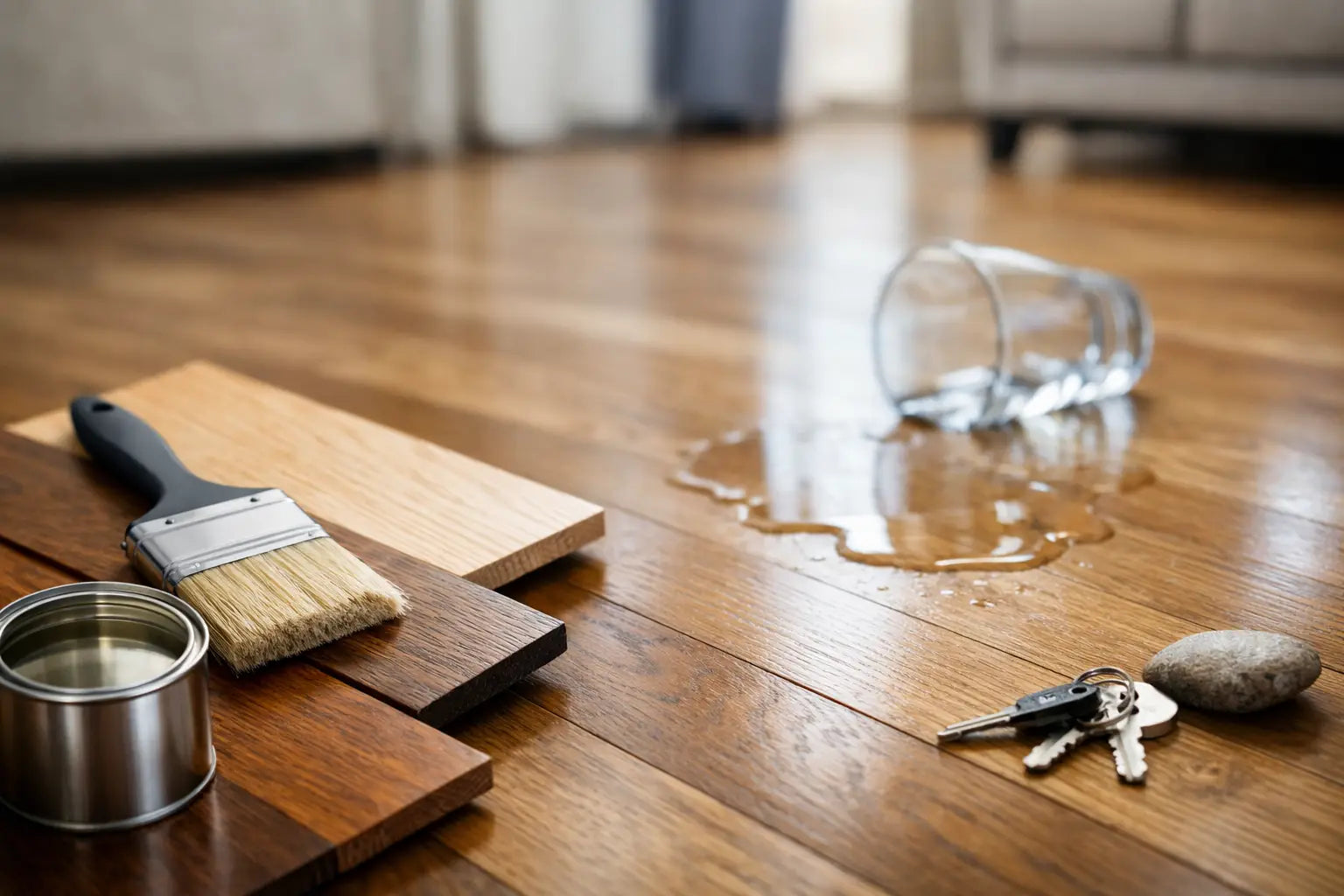
A beautiful hardwood floor can still disappoint if the finish is wrong for the way your home is lived in. The right finish protects the wood from spills, shoes, pets, sunlight, and everyday cleaning while giving the floor the color and sheen you want. This hardwood floor finish review looks beyond the label to help Kansas City-area homeowners choose a finish that feels right on day one and performs well for years.
Hardwood Floor Finish Review: Start With How You Live
There is no single best finish for every hardwood floor. A quiet formal dining room has different needs than a kitchen shared by kids, a large dog, and a busy family schedule. The species and color of your wood matter, too. White oak, red oak, maple, hickory, and walnut each absorb stain and show wear differently.
Start by deciding which trade-off matters most. Some finishes offer a warmer, richer look but take longer to cure. Others dry quickly and keep wood looking lighter, yet may require more careful surface preparation during refinishing. A finish that is easy to repair can be a smart choice for an active home, even if it needs occasional maintenance.
Sheen is also part of the decision. Matte and satin finishes are popular because they soften glare and make dust, small scratches, and paw prints less noticeable. Semi-gloss has more reflection and can make a room feel polished, but it also reveals more of daily life. Gloss finishes can be striking in the right setting, though they are usually less forgiving in busy households.
Water-Based Polyurethane: Clear, Fast, and Practical
Water-based polyurethane is one of the most requested finishes for modern hardwood floors. It dries quickly, has a lower odor than traditional oil-based products, and typically allows a project to move forward faster. For homeowners coordinating a remodel or trying to minimize time out of certain rooms, that faster turnaround can make a real difference.
Its clearest advantage is color. Water-based polyurethane stays relatively clear over time, helping white oak, gray-toned stains, natural finishes, and lighter wood colors keep their intended appearance. It is a strong option when you want a clean, contemporary look instead of a golden or amber cast.
Quality water-based systems can provide excellent protection, especially when applied correctly in multiple coats. The trade-off is that not all products perform equally. Lower-grade finishes may show wear sooner in high-traffic paths, and poor sanding or application can be more visible under a clear finish. Professional preparation matters just as much as the product itself.
For most family homes, a commercial-grade water-based polyurethane in matte or satin offers an appealing balance of durability, low odor, and easy-to-live-with appearance. It is especially well suited to homeowners who want to retain the natural color of white oak or maple.
Oil-Based Polyurethane: Warm Color and Proven Protection
Oil-based polyurethane has earned its reputation over decades of hardwood flooring work. It builds a durable protective layer and adds a warm amber tone that deepens over time. On traditional red oak, natural oak, and many classic stain colors, that warmth can make the grain feel richer and more dimensional.
This finish generally takes longer to dry and cure than water-based polyurethane. It also has a stronger odor during installation, which may require planning around pets, children, ventilation, and access to the home. Those factors do not make it a poor choice. They simply mean the schedule should be realistic.
An oil-based finish is often a good fit for homeowners who prefer a classic hardwood appearance and are not trying to preserve a pale, raw-wood look. It can be particularly attractive in older homes where the goal is to complement existing trim, cabinetry, or traditional design details.
One consideration is yellowing. The ambering effect is intentional for some homeowners and unwanted for others. Over a very light stain or natural white oak, it can shift the final color more than expected. Reviewing a finish sample on your actual flooring is the best way to avoid surprises.
Hardwax Oil: Natural Feel With Repair-Friendly Appeal
Hardwax oil finishes have become increasingly popular with homeowners who want a low-sheen, European-style floor that feels close to natural wood. Rather than creating the thicker surface film associated with polyurethane, hardwax oil penetrates and protects the wood while leaving a more natural texture underfoot.
The look is a major reason people choose it. Hardwax oil can highlight grain beautifully, especially on white oak, character-grade oak, and wide-plank flooring. It works well with warm modern, rustic, Scandinavian, and organic interior styles. Small scratches often blend in better than they would on a higher-sheen polyurethane floor.
Local repair is another benefit. Depending on the product and damage, a worn area may be cleaned, lightly abraded, and refreshed without sanding the entire room. That can be valuable for an entryway, dining area, or pet-worn traffic lane.
The responsibility shifts somewhat to the homeowner. Hardwax oil floors need the right cleaning products and periodic maintenance coats based on traffic and use. A neglected floor will not stay protected simply because it has a premium finish. For homeowners willing to follow a maintenance plan, it can be an excellent long-term option. For those who want the least hands-on upkeep possible, polyurethane may be the better fit.
Factory Finishes and Site-Finished Floors
Prefinished hardwood comes with a factory-applied finish, often including aluminum oxide for exceptional wear resistance. It is convenient because boards arrive ready to install, which can reduce dust, odor, and jobsite finishing time. Factory finishes are especially practical for projects with a tight schedule.
The seams between boards are the key distinction. A site-finished floor is sanded and sealed after installation, creating a continuous finished surface across the room. This can provide a more custom appearance and is helpful when homeowners want a specific stain, a smooth transition between new and existing flooring, or less noticeable board-to-board variation.
Neither approach is automatically better. Prefinished hardwood offers speed and dependable factory durability. Site finishing offers customization and a tailored look. The best choice depends on the room, the wood product, the desired color, and how much flexibility the project requires.
What Makes a Finish Last Longer?
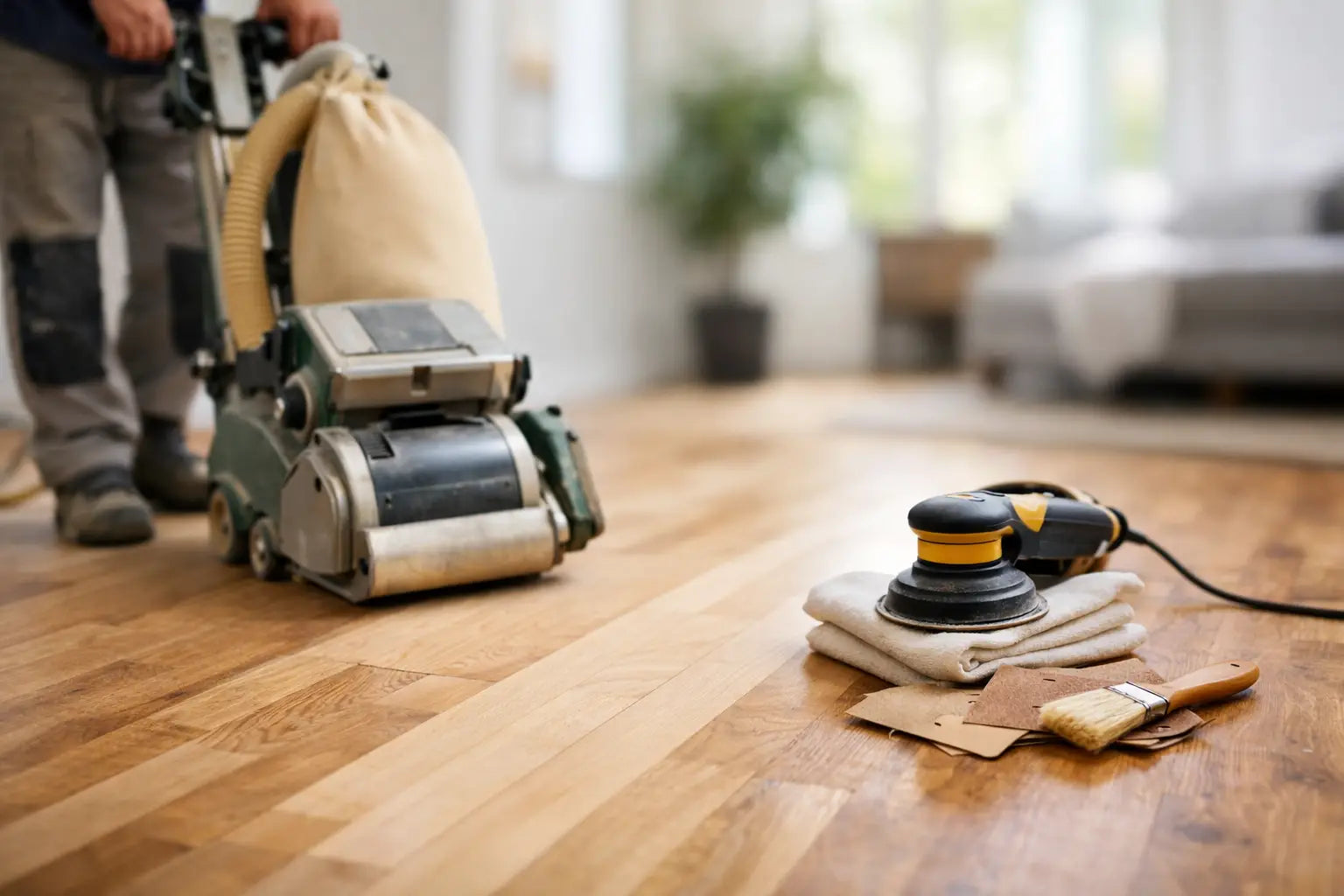
Finish performance is not determined by the can alone. Proper sanding, clean wood, correct drying conditions, and the recommended number of coats all affect the final result. Skipping preparation or rushing cure time can compromise even a high-quality product.
After installation or refinishing, give the finish time to cure before placing rugs, moving heavy furniture, or exposing it to heavy traffic. Dry to the touch does not mean fully cured. Your flooring professional should provide clear timing based on the finish used and conditions in the home.
Daily care is straightforward. Use felt pads under furniture, place mats at exterior doors, clean up liquid spills promptly, and sweep or vacuum with a floor-safe attachment. Avoid steam mops, wax products unless specifically approved for your finish, and harsh cleaners that can leave residue or dull the surface.
In Greater Kansas City, seasonal humidity changes also deserve attention. Wood naturally expands and contracts as moisture levels shift. Maintaining balanced indoor humidity helps protect not only the finish but also the hardwood itself, reducing the chance of excessive gaps, cupping, or seasonal movement.
Choosing the Finish With Confidence
A finish sample is more valuable than a showroom assumption. View it in morning light, evening light, and alongside your paint, cabinets, and furnishings. If you are comparing finishes, ask to see the same wood species and stain color whenever possible. The exact combination of wood, stain, finish, and sheen determines the final result.
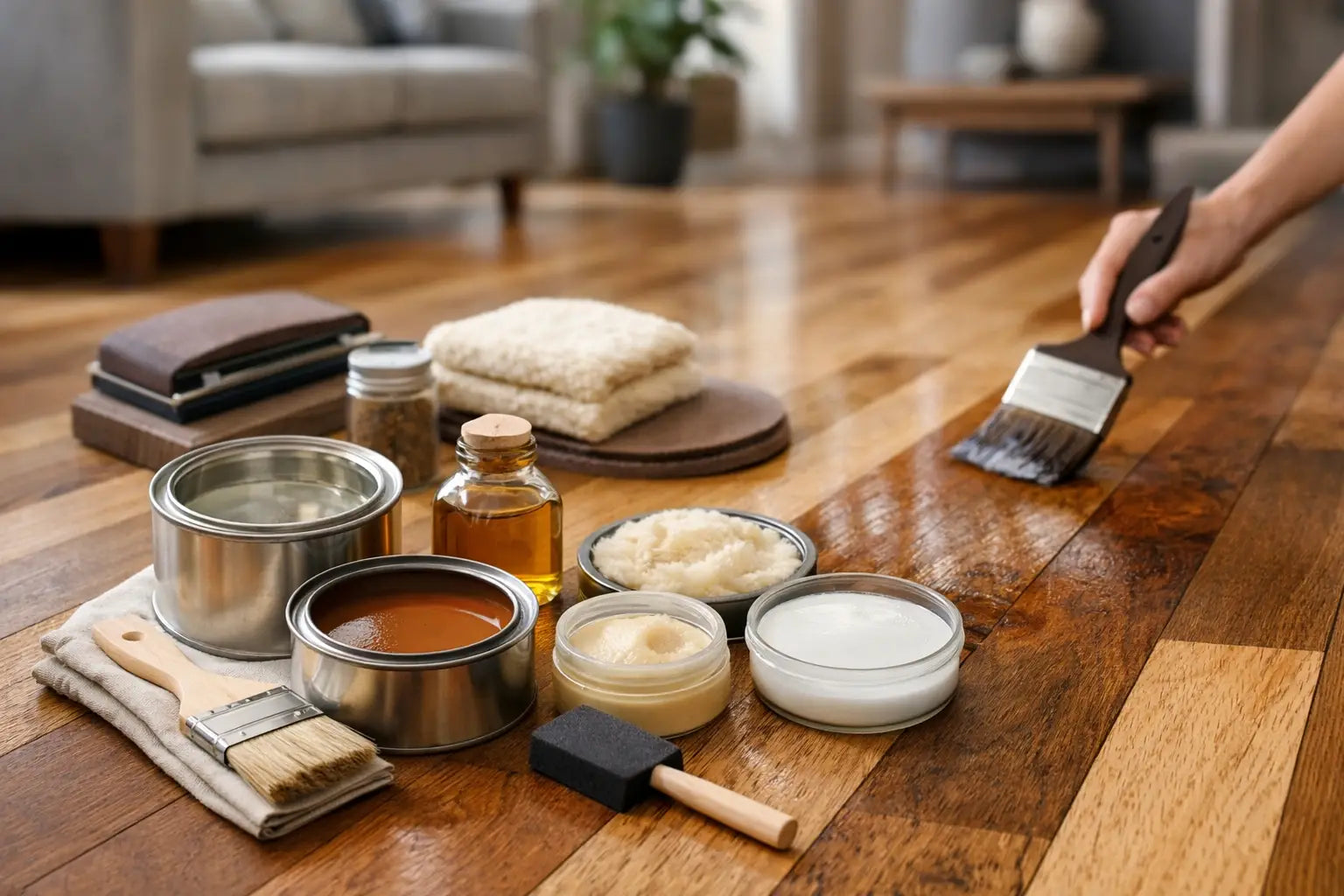
For a dependable all-around choice, water-based polyurethane is hard to beat. For a classic warm hardwood look, oil-based polyurethane remains a strong contender. For homeowners who value a natural appearance and repairable finish, hardwax oil deserves serious consideration. At FC Hardwood Floors, the goal is not to push one finish for every project, but to help you select a floor system that fits your home, budget, and daily routine.
The best finish is the one you will still appreciate after the first muddy shoes, the first moved chair, and the many ordinary days that turn a house into a home.

Leave a comment
This site is protected by hCaptcha and the hCaptcha Privacy Policy and Terms of Service apply.