Article: Flooring for High Traffic Stores That Lasts
Flooring for High Traffic Stores That Lasts
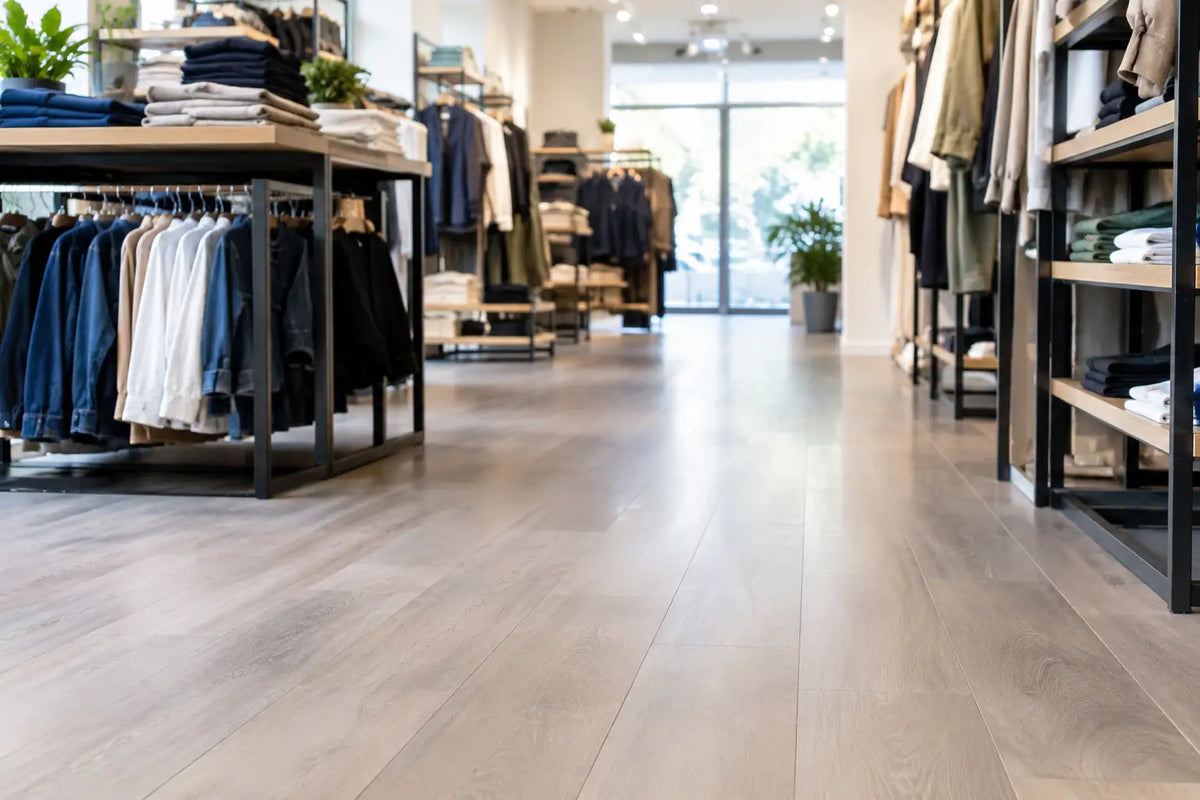
A store floor rarely gets a break. Customers track in rain, salt, grit, and moisture. Carts roll over the same paths, display fixtures shift, and employees spend long hours on their feet. The right flooring for high traffic stores must do more than look good on opening day. It needs to hold up to daily wear while supporting a clean, comfortable, and professional customer experience.
For business owners and property managers, the best choice is not always the toughest material on paper. Store layout, entry conditions, maintenance capacity, brand image, and budget all matter. A flooring professional can help you weigh those details before a material is installed across thousands of square feet.
What High-Traffic Store Floors Need to Handle
Foot traffic is only one part of the equation. A boutique may see steady customer traffic but little rolling equipment, while a grocery, convenience, or specialty retailer may deal with carts, wheeled stock, spills, and frequent cleaning. The floor near the entrance generally receives more abrasion than the center of the sales floor, and checkout lines often create concentrated wear patterns.
A well-chosen commercial floor should resist scratching, staining, fading, and dents. It should also provide dependable traction when wet, particularly near entrances, restrooms, beverage stations, and service counters. Easy maintenance is equally valuable. If employees need special products or time-consuming procedures to keep the floor presentable, the finish may not be practical for a busy operation.
Appearance still matters. Flooring sets the tone before a customer notices your signage or merchandise. The goal is a surface that supports your brand without creating an ongoing maintenance burden.
Best Flooring for High Traffic Stores
No single material fits every commercial space. These are the options most often worth considering, along with the trade-offs that come with each.
Luxury Vinyl Plank and Tile
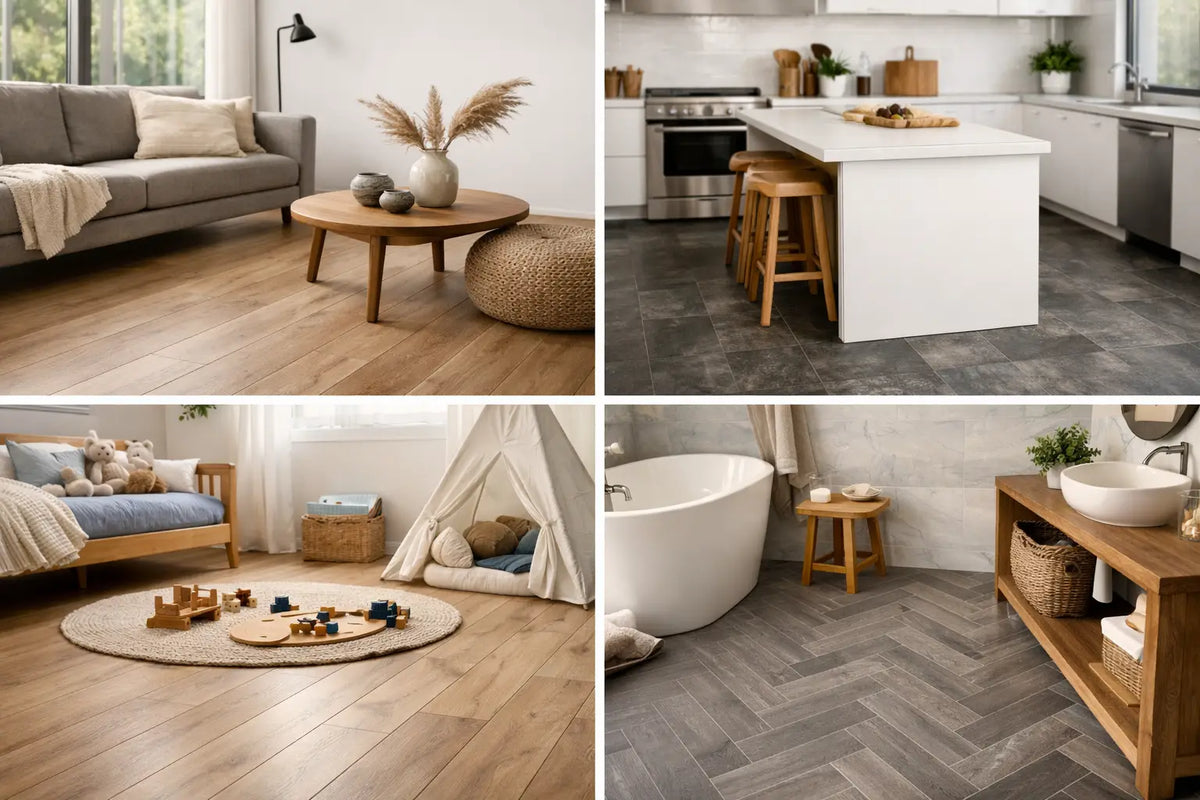
Luxury vinyl flooring is a strong choice for many retail environments because it combines durable wear layers with a wide range of wood and stone visuals. Quality commercial-grade luxury vinyl can handle regular foot traffic, is more forgiving underfoot than ceramic tile, and is simpler to replace in sections if an area becomes damaged.
It is especially practical for boutiques, salons, offices with customer-facing areas, specialty stores, and leased retail spaces where a polished look and controlled budget need to work together. Waterproof or highly water-resistant options also make sense in businesses where spills are common.
The difference between a value product and a commercial-ready product is significant. Wear-layer thickness, core construction, adhesive, subfloor preparation, and installation quality all affect performance. A low-cost product can become expensive if seams open, planks shift, or traffic patterns wear through too quickly.
Commercial Laminate
Commercial-rated laminate can deliver a clean, wood-inspired appearance at an accessible price. It is highly scratch resistant in many applications and works well in dry retail settings with reliable cleaning routines. For apparel stores, showrooms, and offices, it can provide a refined finish without the cost of premium hardwood.
Moisture is laminate's main limitation. Standing water and frequent wet mopping can damage edges and seams over time. It is usually a better fit away from exterior entrances, food service areas, and other locations where water exposure is likely. Proper transition details and entry mats make a real difference.
Hardwood Flooring
Hardwood brings warmth, authenticity, and long-term value that many high-end retailers, galleries, and hospitality spaces want. A well-designed hardwood floor can make a store feel established and inviting, particularly when the brand calls for natural materials and a more elevated atmosphere.
For truly heavy commercial traffic, hardwood requires realistic expectations. It can scratch, dent, and show wear in heavily traveled paths. A durable species, appropriate finish, regular maintenance, and protective mats are essential. The advantage is that many hardwood floors can be refinished rather than fully replaced, giving the material a long service life when cared for properly.
Hardwood is often best for stores where appearance and character are central to the customer experience, rather than spaces exposed to constant carts, moisture, or abrasive debris.
Tile and Other Hard-Surface Options
Porcelain tile is exceptionally durable, moisture resistant, and well suited to entryways, restrooms, food-related businesses, and areas requiring frequent cleaning. It offers a broad range of colors and designs, but it can be hard underfoot and may be more costly to install. Grout also needs a maintenance plan, especially in light colors or high-soil areas.
Polished concrete is another durable option for larger commercial spaces with the right existing slab. Its industrial look works well for some brands, but it is not automatically maintenance-free. Concrete needs proper sealing and can be unforgiving for employees who stand for extended periods.
Start With the Store's Traffic Pattern
Before selecting samples, look at how people actually move through the space. Entrance zones, main aisles, checkout areas, fitting rooms, and service counters may need different protection than low-traffic display areas. In some stores, using a more resilient flooring material at the entrance and a more decorative product elsewhere is the smartest investment.
Entry mat systems deserve special attention. They trap sand, salt, and moisture before those materials grind into the floor surface. In the Kansas City area, seasonal weather makes this a practical part of protecting a commercial floor, not an afterthought. A quality mat system can extend the life of nearly any flooring material.
Also consider what moves across the surface. Rolling racks, delivery dollies, carts, and movable displays place different demands on flooring than foot traffic alone. If heavy loads are part of daily operations, discuss them during the estimate process so the flooring specification fits the job.
Installation Quality Is Part of Floor Performance
Even excellent materials can fail when installed over an uneven or poorly prepared subfloor. High spots, moisture problems, weak concrete, and inadequate adhesives can lead to movement, cracked tile, lifting edges, or premature wear. These problems are more disruptive in a retail setting because repairs may require closing off customer areas.
Professional installation starts with evaluating the existing floor. Moisture testing, leveling, proper acclimation when needed, and the correct underlayment or adhesive all protect the finished result. Commercial projects also require thoughtful scheduling. A fast turnaround matters, but rushing past preparation can create more downtime later.
Work with an installer who can explain what the project involves in plain language, including where transitions will go, how the floor will meet fixtures, and what your business can expect during installation. Clear planning helps keep the project on schedule and reduces surprises.
Budget for More Than the Material
The initial price per square foot matters, but it is not the whole cost of commercial flooring. Include subfloor repairs, removal of existing materials, furniture or fixture moving, moisture mitigation, trim, transitions, and installation. Then consider the likely maintenance and replacement needs over the next several years.
A less expensive floor may be the right choice for a short-term lease or a low-impact retail space. A more durable material may provide better value for an owner-occupied location with steady customer volume. The best decision balances the expected lifespan of the floor with your business plan, not just the lowest quote.
Ask to see samples in your store's lighting. A color that looks ideal in a showroom can read differently under bright retail fixtures or near large storefront windows. Take samples near the entry, checkout counter, and display areas before making the final selection.
Keep the Floor Looking Its Best
A simple maintenance plan protects your investment. Sweep or vacuum grit frequently, clean spills promptly, and use manufacturer-approved cleaners. Avoid harsh products that leave residue or damage protective finishes. Place pads under movable displays and choose casters designed for the flooring surface.
Train employees on the basics, especially around wet weather and spills. Small habits, such as replacing saturated entry mats and addressing scuffs quickly, prevent minor issues from becoming visible wear across the sales floor.
The right floor should support your business long after the grand opening. Whether you need commercial luxury vinyl, laminate, hardwood, or a tailored combination of materials, FC Hardwood Floors can help you compare options, review samples, and plan a professional installation that fits your space, schedule, and budget. A free estimate is a practical first step toward a store floor customers will notice for the right reasons.

Leave a comment
This site is protected by hCaptcha and the hCaptcha Privacy Policy and Terms of Service apply.