
Article: Floor Recoating Frequency for Hardwood Floors
Floor Recoating Frequency for Hardwood Floors
A hardwood floor can look tired long before it is ready for a full sanding. Fine scratches, dull traffic paths, and a finish that no longer beads water are often signs that the protective coat needs attention, not that the wood itself has failed. Understanding floor recoating frequency helps homeowners protect a major investment, preserve original wood, and avoid the cost and disruption of refinishing sooner than necessary.
For most homes, a maintenance coat every three to five years is a sensible starting point. But that timeline is not a rule. A quiet formal dining room and a busy kitchen shared by children, pets, and regular guests will not age at the same pace. The better approach is to watch the finish, consider how the room is used, and recoat while protection is still intact.
What Does Recoating a Hardwood Floor Mean?
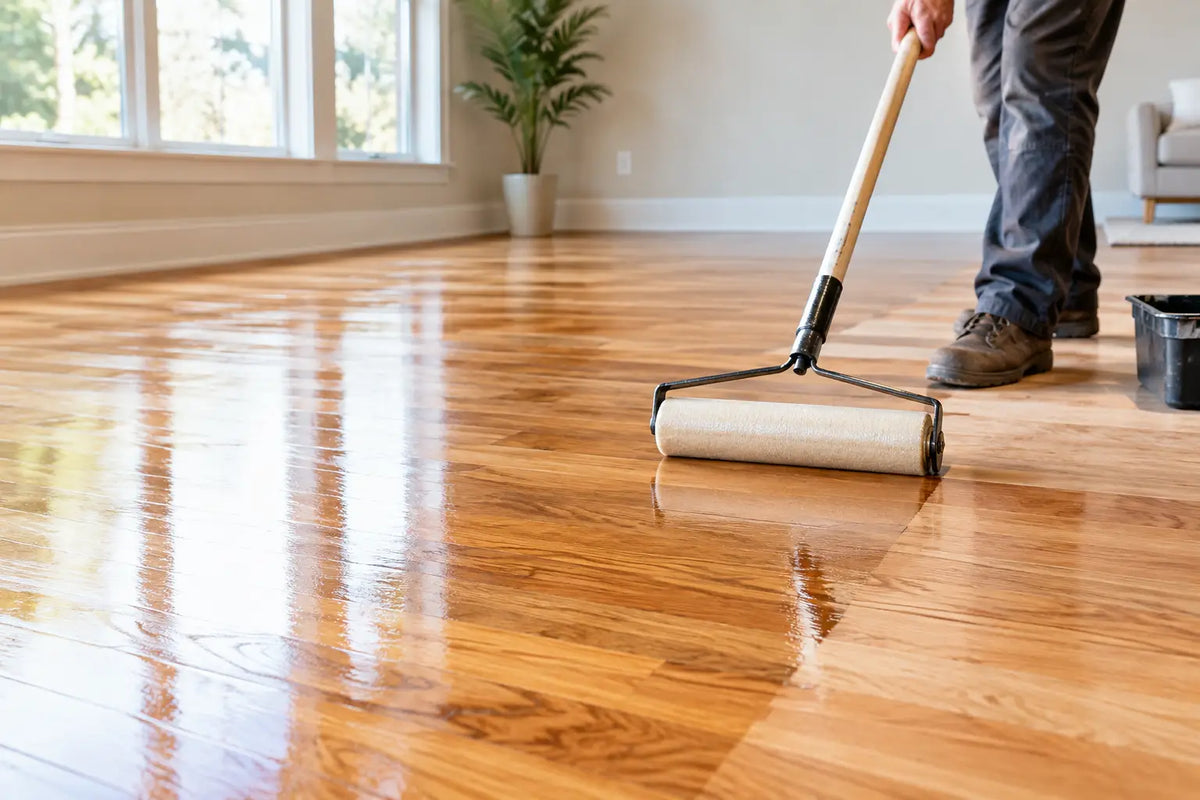
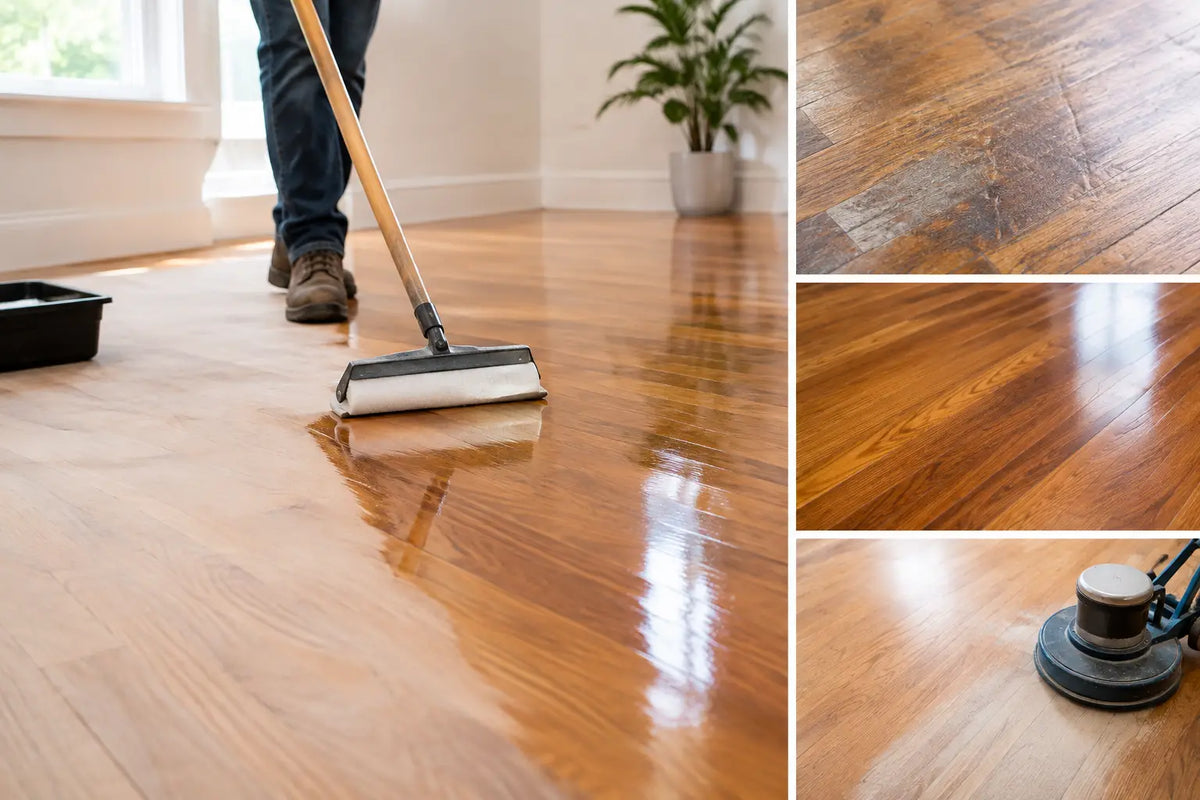
Recoating, sometimes called a screen and recoat, renews the clear protective finish on top of a hardwood floor. A flooring professional lightly abrades the existing finish, removes dust, and applies a fresh coat of compatible finish. The process restores sheen and adds protection without sanding down to bare wood.
This is different from a full refinish. Refinishing removes the old finish and a thin layer of wood so scratches, stains, color changes, and deeper wear can be corrected. It is the right solution when damage has reached the wood, but it is more involved and should not be used when a maintenance coat will do the job.
A timely recoat can be one of the best ways to extend the life of solid hardwood flooring. It helps keep moisture, dirt, and daily abrasion from working through the finish and into the boards.
How Often Should Hardwood Floors Be Recoated?
The typical floor recoating frequency is every three to five years in active areas of a home. Bedrooms, formal living rooms, and other low-traffic spaces may go five to seven years or longer. Kitchens, entryways, hallways, and homes with large dogs may need attention closer to the three-year mark.
Commercial settings follow a different schedule. A small office with light foot traffic may recoat every two to four years, while a retail space, restaurant, or busy common area may require more frequent maintenance. The right timing should reflect the floor's actual condition, cleaning routine, traffic level, and the type of finish already in place.
Kansas City weather can also play a part. Winter moisture, road salt carried indoors, and seasonal changes in humidity can be hard on a floor's finish. Entry mats, prompt cleanup, and steady indoor humidity reduce that wear, but they do not eliminate it entirely.
Signs It Is Time for a Maintenance Coat
Your floor will usually give you useful clues before it needs a full refinish. Dullness in walkways is common, especially where sunlight and foot traffic meet. Scratches that appear white or hazy rather than dark can also indicate surface-level finish wear.
Try the water-drop test in an inconspicuous spot. Place a few drops of water on the floor and watch what happens. If the drops bead up, the finish is still doing its job. If they spread quickly or darken the wood, moisture protection may be wearing away. That is a good reason to schedule a professional evaluation soon.
Other signs include a rougher feel underfoot, finish that looks uneven after cleaning, and visible wear near exterior doors. Recoating at this stage can help stop a small maintenance issue from turning into a deeper restoration project.
When Recoating Is Not the Right Solution
A recoat cannot repair every type of floor damage. If water has penetrated the boards, pet stains have darkened the wood, gaps are severe, or scratches cut through the finish into bare wood, refinishing may be the more reliable option. Boards with cupping, buckling, or significant structural damage may need repair or replacement before any new finish is applied.
Compatibility matters, too. Some floors have wax, oil soap residue, silicone-containing polish, or an unknown coating that can prevent a new finish from bonding correctly. Applying a coat over contamination can lead to peeling, flaking, or an uneven appearance. A professional can test the existing surface and recommend whether cleaning, recoating, or full refinishing is appropriate.
Engineered hardwood deserves extra care in this decision. Many engineered floors can be recoated if their finish is worn, but the wear layer may limit future sanding. That makes a well-timed maintenance coat particularly valuable. Laminate and luxury vinyl flooring are different products altogether. They are not typically recoated like hardwood, and attempting to add a finish can affect their appearance or manufacturer warranty.
What Affects Floor Recoating Frequency?
Traffic is the biggest factor, but it is not the only one. A family that removes shoes at the door may get more life from a finish than a home with gravel, sports cleats, and pet paws passing through every day. Direct sunlight can fade wood and weaken certain finishes over time, while repeated wet mopping can leave residue or introduce unnecessary moisture.
The finish itself also matters. Quality waterborne finishes are popular for their durability, clear appearance, and relatively quick drying time. Oil-based finishes can provide a warmer tone and strong protection, though they often take longer to cure. The best choice depends on the look you want, the condition of the floor, and how quickly the space needs to return to service.
Cleaning habits can either preserve or shorten the interval between recoats. Sweep or vacuum with a hard-floor setting regularly so grit does not act like sandpaper. Use a cleaner made for your floor finish, and avoid soaking the surface. Steam mops, oil soaps, waxes, and harsh all-purpose cleaners can create problems for wood and may complicate future recoating.
Protect the Finish Between Professional Visits
A few practical habits make a noticeable difference. Place quality mats inside and outside exterior doors, but choose mats that will not trap moisture or discolor the finish. Add felt pads beneath furniture, replace them when they collect grit, and lift furniture rather than dragging it.
Use rugs in high-traffic paths, especially near entries and in front of sinks. Rugs should be breathable and colorfast, and they should be moved occasionally so sunlight reaches the floor more evenly. Keep pet nails trimmed and wipe spills right away, particularly around water bowls, plants, and exterior doors.
Humidity deserves attention as well. Wood naturally expands and contracts with seasonal conditions. Maintaining a reasonably consistent indoor environment helps minimize movement, protects the finish, and supports the long-term performance of the entire floor.
Why Recoating Early Can Save Money
A maintenance coat costs less and takes less time than a full refinish because it preserves the existing wood surface. More importantly, it can delay deeper sanding. Solid hardwood can be refinished more than once, but every sanding removes a small amount of material. Treating the finish as a protective layer worth maintaining is a smart way to protect both the appearance and lifespan of the floor.
For homeowners preparing to sell, a refreshed finish can also improve how a home presents without committing to a full flooring replacement. For property managers and business owners, planned recoating can reduce surprise repairs and help keep occupied spaces looking cared for.
The right schedule is not about following a calendar blindly. It is about giving your floor attention before everyday wear becomes permanent damage. If you see dull pathways, fading protection, or surface scratches, a professional assessment can clarify whether a recoat will restore the look you love. At FC Hardwood Floors, we believe good flooring guidance should feel straightforward: protect what is working, repair what needs care, and choose the option that makes your house feel like home for years ahead.

Leave a comment
This site is protected by hCaptcha and the hCaptcha Privacy Policy and Terms of Service apply.