
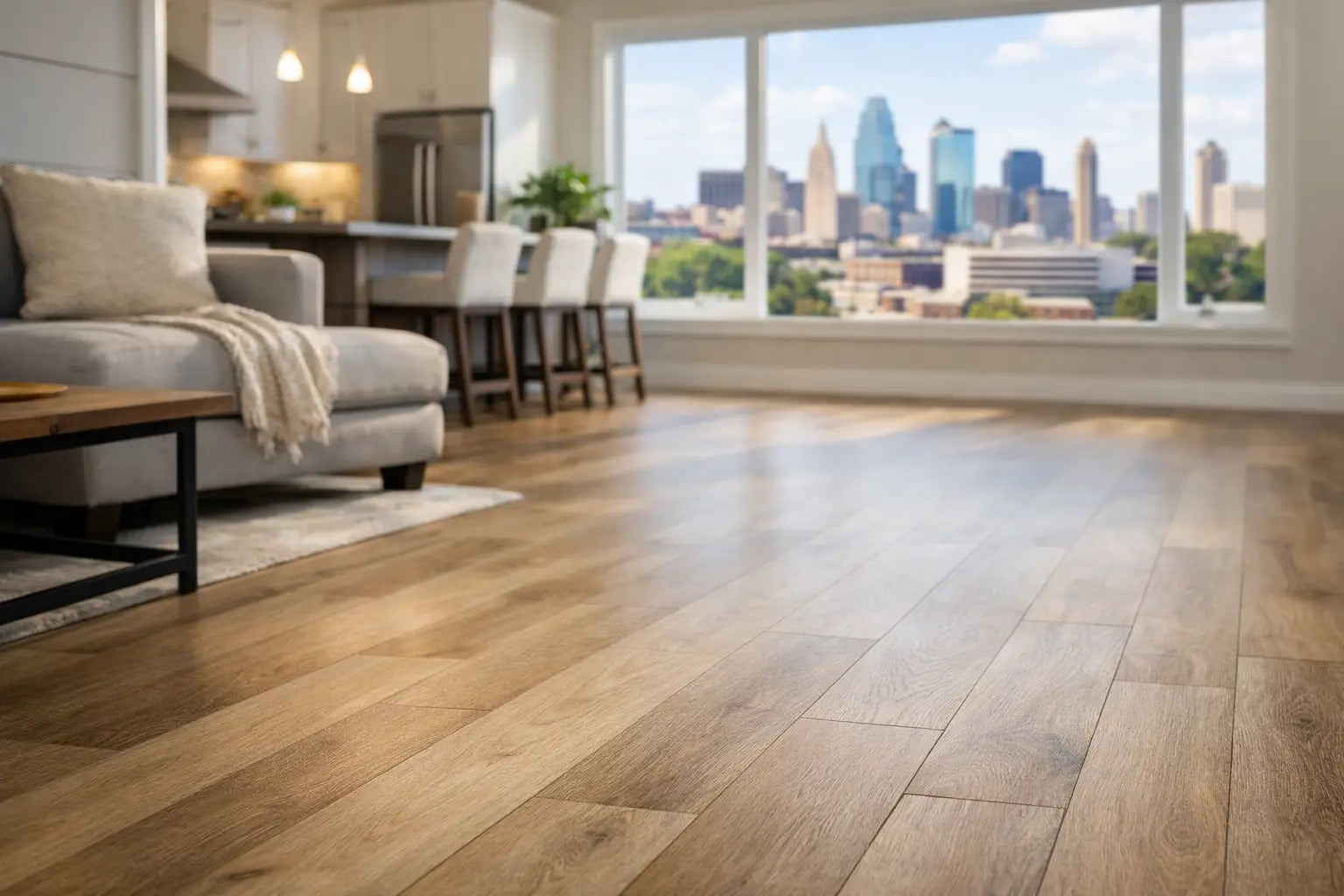
Is Laminate Flooring Good for Your Kansas City Home?
A new floor has to stand up to real life: wet shoes by the entry, a dropped pan in the kitchen, pets racing through the hall, and furniture moving during a weekend refresh. So, is laminate flooring good for a home that gets lived in? For many homeowners, yes. It can deliver a polished wood-look floor at a more approachable price than hardwood, with dependable everyday durability when it is chosen and installed correctly.
The better question is not whether laminate is universally good. It is whether it is the right fit for your room, lifestyle, budget, and expectations. Laminate has come a long way in appearance and performance, but it still has limits that deserve an honest look before installation day.
Is Laminate Flooring Good for Everyday Living?
Laminate flooring is a layered product. A photographic design layer creates the look of wood, stone, or tile, while a protective wear layer helps resist scratches, stains, and fading. Beneath that, a dense core provides structure and a backing layer adds stability.
That construction makes laminate a practical choice for many active spaces. Quality laminate can handle the scuffs, foot traffic, and routine cleaning that come with family rooms, bedrooms, hallways, dining areas, and many home offices. It also offers a consistent appearance from plank to plank, which can make a larger room feel clean, cohesive, and well finished.
For homeowners who love the warmth of hardwood but need to control a remodeling budget, laminate can be part of an affordable luxury approach. Many current styles have realistic grain patterns, textured finishes, and wider planks that look far more convincing than the laminate floors people remember from decades ago.
Its durability, however, is not unlimited. The wear layer protects the surface, but it cannot make laminate indestructible. Deep gouges, heavy furniture dragged without protection, and prolonged moisture exposure can still cause damage. The product quality matters, too. A thicker plank and stronger wear layer typically perform better and feel more substantial underfoot than entry-level options.
Where Laminate Flooring Performs Best
Laminate works especially well in dry or moderately active rooms where you want an attractive floor without the cost and maintenance considerations of solid hardwood. Bedrooms, living rooms, finished basements with controlled moisture, hallways, and upstairs spaces are often strong candidates.
It can also be a smart option for rental properties and commercial settings with light to moderate traffic. Property managers and business owners often appreciate its clean appearance, quick installation potential, and value. The right commercial-grade product can offer a professional finish without stretching the project budget.
Kansas City homes also see their share of temperature changes, muddy weather, and winter salt. In these conditions, a durable entry mat and regular cleanup make a meaningful difference. Laminate tolerates everyday activity well, but grit tracked in from outdoors acts like sandpaper over time. A simple routine of sweeping or vacuuming with a hard-floor setting helps preserve its finish.
The Moisture Question: Kitchens, Baths, and Basements
Moisture is the biggest factor to consider before choosing laminate. Traditional laminate is not a good choice for full bathrooms, laundry rooms with frequent water exposure, or areas where flooding is a concern. If water reaches the seams and remains there, the core can swell, edges may lift, and the floor may not return to its original shape.
Water-resistant laminate has improved this conversation. Some products are designed with tighter locking systems, sealed edges, and moisture-resistant cores that provide more time to clean up spills. These floors can work well in kitchens, powder rooms, and busy households where occasional spills are part of the routine.
Still, water-resistant does not mean waterproof. A slow dishwasher leak, pet accident left overnight, or standing water after a plumbing issue can create problems. For bathrooms, laundry rooms, below-grade spaces with moisture concerns, or homes where water exposure is likely, luxury vinyl flooring is often the safer option. It offers a similar range of wood-look styles with stronger water resistance.
Basements deserve extra care. Before any flooring is selected, the concrete slab should be evaluated for moisture. Even a finished basement that feels dry can have vapor moving through the slab. Proper underlayment, moisture testing, and product selection are not extras - they are part of protecting the investment.
Laminate Compared With Hardwood and Luxury Vinyl
Hardwood remains the leading choice for homeowners who want natural material, long-term value, and the ability to refinish a floor over time. No printed pattern fully replaces the depth, variation, and character of real wood. Hardwood can also be repaired and refinished, while damaged laminate usually requires plank replacement.
Laminate wins when budget, scratch resistance, and a lower-maintenance wood look are the priorities. It is generally less expensive than hardwood and can be more forgiving of everyday surface wear. It is a particularly sensible choice when you want a coordinated, attractive result across several rooms without committing to the cost of solid or engineered hardwood.
Luxury vinyl is often the better fit when water is the central concern. It is softer and quieter underfoot than many laminate products, and waterproof options are well suited to kitchens, bathrooms, laundry rooms, and basements. Some homeowners prefer laminate because its rigid core can feel more like a traditional hard floor, while others prefer the warmer feel of vinyl. Samples are valuable here, because color, texture, and underfoot feel are easier to judge in person than on a screen.
What to Look for in a Quality Laminate Floor
Not all laminate flooring is made to the same standard. The lowest price is not always the best value if the floor feels thin, sounds hollow, or needs replacement sooner than expected. A professional consultation can help match the product to the demands of the room rather than simply choosing a color first.
Pay attention to plank thickness, wear-layer rating, edge construction, warranty coverage, and the manufacturer's moisture guidance. A thicker product often feels more stable and can help reduce the hollow sound associated with floating floors. Texture matters, too. Embossed grain and low-sheen finishes tend to look more natural and can hide everyday dust better than a glossy surface.
The subfloor matters just as much as the planks. Laminate needs a clean, dry, level foundation. Uneven areas can cause movement, open seams, squeaks, or stress on the locking system. Skipping floor preparation may save time at the beginning of a project, but it often creates avoidable issues later.
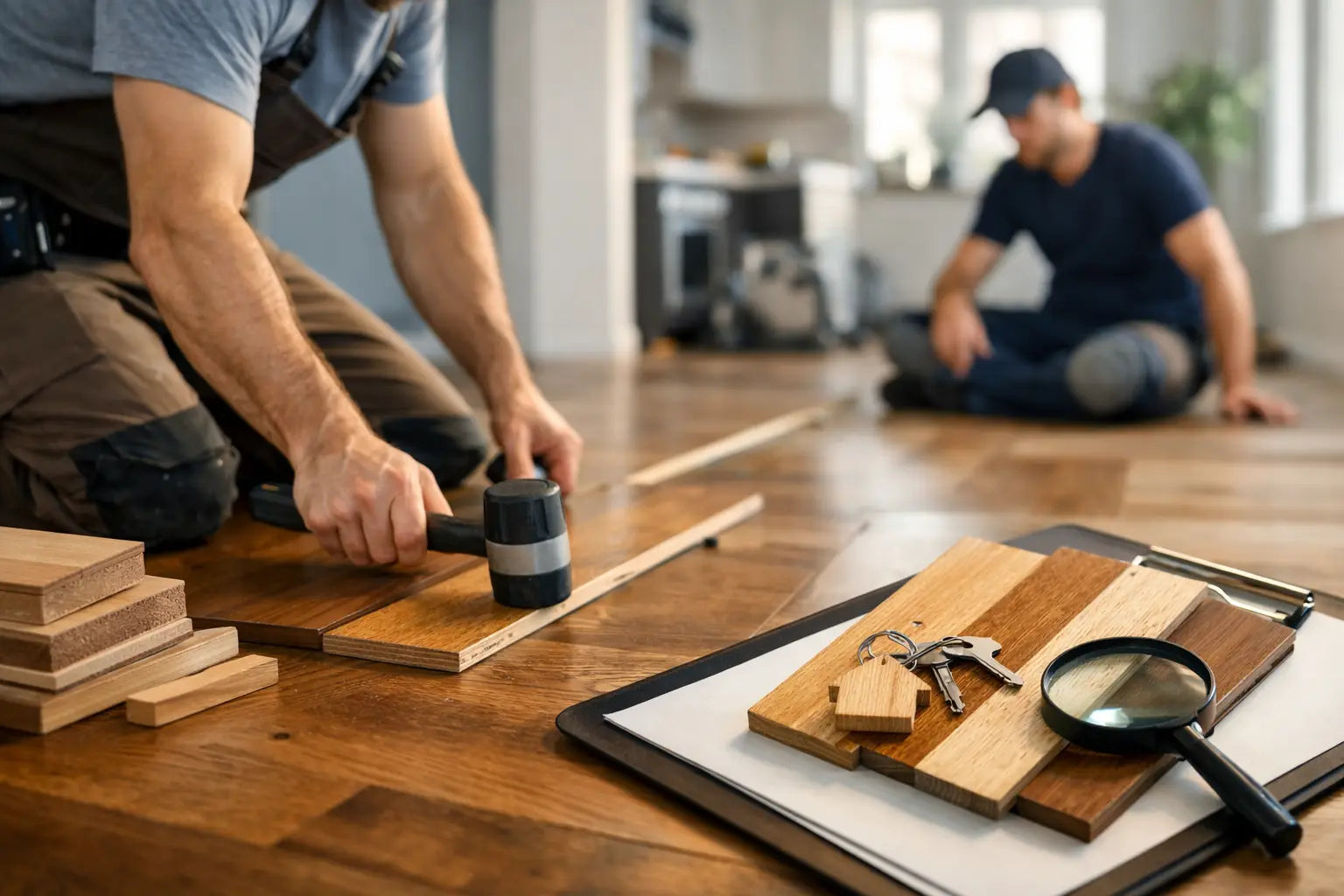
Professional installation also accounts for expansion space around the room perimeter. Laminate naturally expands and contracts with changes in temperature and humidity. Without the right spacing and transitions, the floor can buckle or separate. These are small details that have a major effect on how the finished floor looks and performs.
Care That Keeps Laminate Looking Its Best
Laminate does not require sanding, staining, or refinishing, which is a major advantage for busy households. Regular dry cleaning removes abrasive grit, while a lightly damp microfiber mop handles routine messes. The key is to avoid soaking the floor. Excess water and steam cleaning can force moisture into seams, even on products labeled water-resistant.
Use felt pads beneath furniture, lift rather than drag heavy pieces, and place mats at exterior doors. Clean spills promptly, especially around pet bowls, sinks, and dining tables. Avoid waxes, abrasive scrubbers, and cleaners that leave a heavy residue. A floor that looks cloudy after cleaning often has product buildup rather than permanent damage.
For a household with large dogs, children, or frequent entertaining, choose a color and grain pattern with some variation. Very dark, very smooth, or high-gloss floors tend to show dust, paw prints, and scratches more quickly. A medium-tone wood look with texture is often a more forgiving choice.
Making the Right Choice for Your Space
Laminate is good flooring when its strengths match the job: attractive design, practical durability, and strong value in rooms without constant moisture. It is not the best answer for every space, and that is where clear guidance matters. A floor should fit the way your home operates, not just the photo that caught your eye.
At FC Hardwood Floors, we help homeowners compare samples, understand performance differences, and plan for the details that protect a new installation. The best floor is the one that feels right under your feet, supports your daily routine, and keeps making your house feel like home long after the project is complete.


Leave a comment
This site is protected by hCaptcha and the hCaptcha Privacy Policy and Terms of Service apply.