

Vinyl Versus Tile: Which Floor Fits Your Home?
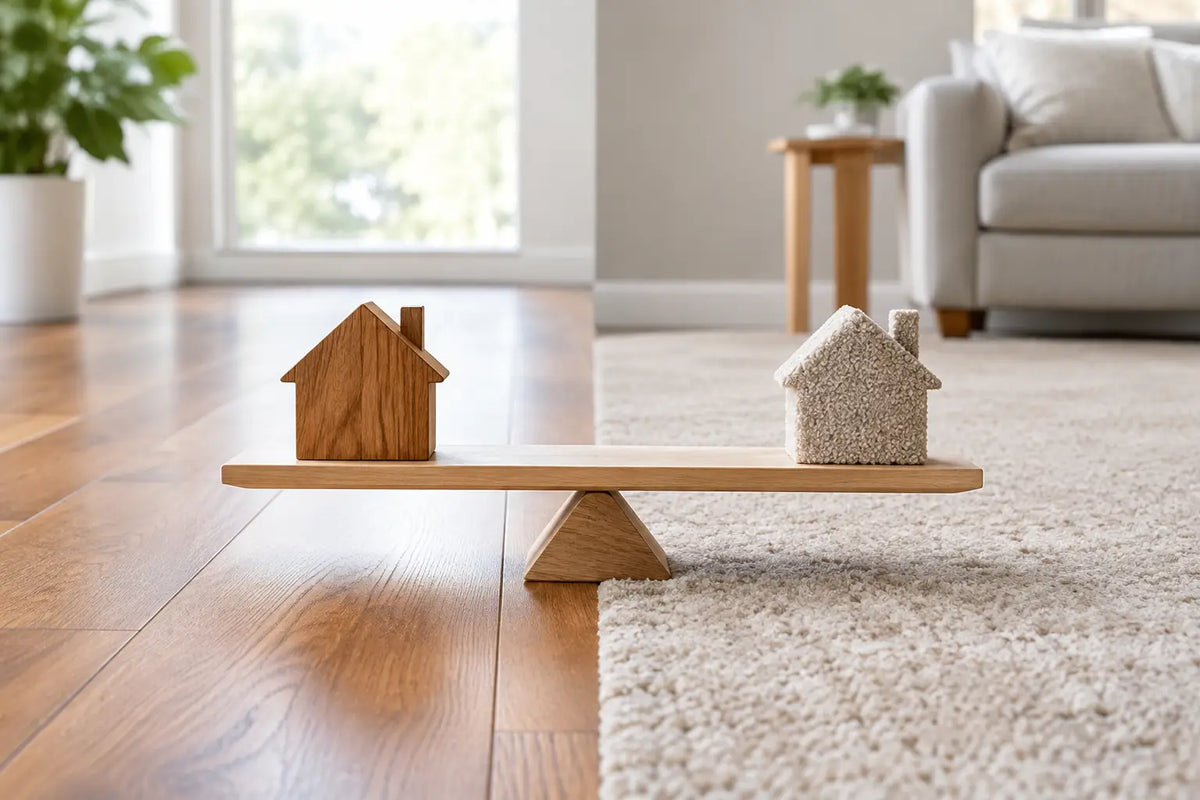
A kitchen remodel can look completely different once the old floor comes up. The choice between vinyl versus tile often comes down to more than appearance: it affects how the room feels underfoot, how quickly the project moves, and how much upkeep fits your routine. Both can be beautiful, durable options. The better choice is the one that matches how your household or commercial space actually works.
For Greater Kansas City homeowners, that often means considering muddy shoes, active families, pets, temperature swings, and the reality of living with the floor long after the installation is complete.
Vinyl Versus Tile: Start With Daily Life
Luxury vinyl and tile can both handle rooms where moisture is a concern, including kitchens, bathrooms, laundry rooms, entryways, and finished basements. They are not interchangeable, though.
Tile is a hard, mineral-based surface. Ceramic and porcelain tile offer a classic look, excellent resistance to moisture, and impressive longevity when installed correctly. It can bring a tailored, high-end finish to a shower surround, foyer, or kitchen floor.
Luxury vinyl is a resilient floor made in planks or tiles, often with realistic wood or stone visuals. It has a softer feel and a little give underfoot. For many homeowners, that comfort makes a noticeable difference in kitchens, playrooms, basement living areas, and anywhere people spend a lot of time standing.
A useful question is not simply, “Which one is better?” Ask, “What does this room need to tolerate every day?” A quiet primary bathroom has different demands than a busy mudroom. A rental property needs a different maintenance plan than a forever home.
Appearance: Realistic Design or Lasting Character?
Today’s luxury vinyl has come a long way from the sheet vinyl many people remember. Quality products can replicate the grain variation of hardwood, the texture of slate, or the veining of stone. Wide-plank vinyl can create a warm, continuous look through an open-concept first floor without requiring the care routine of natural wood.
Tile offers design options that vinyl cannot fully duplicate. The depth of a glazed ceramic tile, the variation in natural stone, and the clean geometry of a large-format porcelain floor have a permanence that works especially well in bathrooms, entryways, and more formal spaces. Grout lines are part of that look. Some homeowners love the definition they add; others prefer the nearly uninterrupted surface vinyl provides.
Consider the scale of the room before choosing a pattern or format. Large tile can make a spacious room feel polished, but it may require more subfloor preparation to sit flat. Vinyl planks can visually lengthen a narrow room and are available in colors that coordinate easily with existing cabinets, trim, and hardwood.
Samples matter here. A floor that looks perfect under showroom lighting can read warmer, cooler, or busier beside your own paint, countertops, and natural light. Viewing samples in the room is one of the simplest ways to make a confident decision.
Comfort, Sound, and Safety
Tile is exceptionally hard. That is an advantage when it comes to wear resistance, but it can be tiring underfoot during long cooking sessions. It also feels cold in winter unless the room receives strong sun or the project includes radiant heat. Radiant heating can make tile wonderfully comfortable, but it adds cost and planning to the installation.
Luxury vinyl is generally warmer and more forgiving. Dropped dishes are less likely to break, and the surface is easier on knees and joints. It can also help soften footstep noise, particularly when paired with the appropriate underlayment or installed over a well-prepared subfloor.
Safety depends on the specific product, finish, and location. Textured tile and certain vinyl products can offer good slip resistance, but no floor is automatically slip-proof when wet. In bathrooms, mudrooms, and commercial entrances, choose a surface designed for the expected moisture and traffic level rather than selecting by color alone.
Water Resistance Is Not the Same as Worry-Free
Porcelain and properly installed ceramic tile are excellent choices for wet areas. Tile itself is highly water-resistant, but grout and the installation system still need attention. Shower floors, wet-room areas, and bathrooms require proper waterproofing below the finished surface. A beautiful tile installation is only as dependable as the preparation beneath it.
Many luxury vinyl products are marketed as waterproof. That can be a major benefit for everyday spills, pet accidents, and damp basement conditions. Still, water can sometimes reach edges, seams, walls, or the subfloor after a major leak or standing-water event. The floor’s core, installation method, and manufacturer guidelines all matter.
For a standard kitchen spill, either material can perform well. For a shower enclosure or a room with frequent, direct water exposure, tile is usually the more appropriate system when installed by an experienced professional. For a basement family room where comfort and moisture tolerance matter, luxury vinyl is often the practical choice.
Installation and Subfloor Preparation
Installation is one of the biggest differences between vinyl and tile. Vinyl is often faster to install, especially in floating-click plank formats. That can reduce downtime for households and businesses. Some vinyl products can also be installed over existing hard surfaces if the substrate is sound, smooth, and within the product’s requirements.
Tile installation is more labor-intensive. The subfloor must be stable, level, and properly prepared to prevent cracked grout or tile. Installers may need to add a backer board or uncoupling membrane, address uneven areas, set the tile, allow materials to cure, grout the joints, and seal grout when required.
That extra work is not a drawback when tile is right for the space. It is the craftsmanship that helps the floor perform for years. But it should be reflected in the project timeline and budget from the start.
Older homes deserve special attention. Floors that appear level can still have movement or dips that affect the finished result. A professional assessment before ordering materials helps prevent surprises after demolition begins.
Cost: Look Beyond the Price Per Square Foot
Vinyl is often the more budget-friendly choice when you compare materials and installation together, though premium luxury vinyl can cost more than entry-level tile. Its efficient installation can make it especially appealing for larger areas, rental turnovers, and projects with a firm completion date.
Tile ranges widely in price. Basic ceramic options can be accessible, while porcelain, handmade tile, natural stone, intricate layouts, and specialty trims can increase the investment quickly. Labor and substrate preparation also make up a larger portion of a tile project.
The lowest initial price is not always the best value. A floor that is difficult to maintain, uncomfortable in the room, or poorly suited to the traffic level may need replacement sooner than expected. The goal is affordable luxury: a surface that looks right, performs well, and respects the budget without cutting corners on preparation.
Maintenance and Repair Expectations
Both materials are relatively easy to care for. Regular sweeping or vacuuming and damp mopping with a manufacturer-approved cleaner are usually enough. Avoid harsh abrasives and excessive water, particularly around vinyl seams and baseboards.
Tile’s main maintenance consideration is grout. Light-colored grout can show dirt over time, especially in kitchens and entryways. Sealed or high-performance grout can reduce staining concerns, but cleaning routines still matter. Individual cracked tiles can sometimes be replaced if matching material is available.
Vinyl does not have traditional grout lines, which makes routine cleanup simple. However, deep cuts, heavy furniture damage, or heat-related issues can affect individual planks or tiles. Keeping a few extra pieces from the original installation is smart for either material.
When Vinyl Makes the Most Sense
Luxury vinyl is often the stronger fit when you want a warmer surface, a faster installation, and a wood or stone look at a more approachable overall cost. It works particularly well in kitchens, finished basements, laundry rooms, busy family spaces, and commercial areas where minimizing downtime matters.
It is also a practical way to coordinate new flooring with existing hardwood. Rather than trying to force one material into every room, many homeowners use hardwood in main living spaces and luxury vinyl in moisture-prone or below-grade areas.
When Tile Is Worth the Investment
Tile is a strong choice for bathrooms, foyers, fireplace surrounds, and spaces where a permanent, architectural finish is the priority. Porcelain tile is especially durable for high-traffic areas, and the right design can add a distinctive layer of character that holds up beautifully over time.
Choose tile when you are prepared to invest in thorough subfloor preparation and professional installation. That foundation is what gives tile its long-term value.
The right floor should make your home easier to live in, not give you another thing to worry about. Bring home a few samples, stand on them in the room where they will be installed, and let the way you use the space guide the final choice.

Leave a comment
This site is protected by hCaptcha and the hCaptcha Privacy Policy and Terms of Service apply.